




How Lionel Messi Voted at the FIFA The Best Awards Gala
The Argentine captain left his mark on The Best voting with expected backing, emotional nods, and choices that reflect his football DNA.
The Context of a Gala With Clear Protagonists
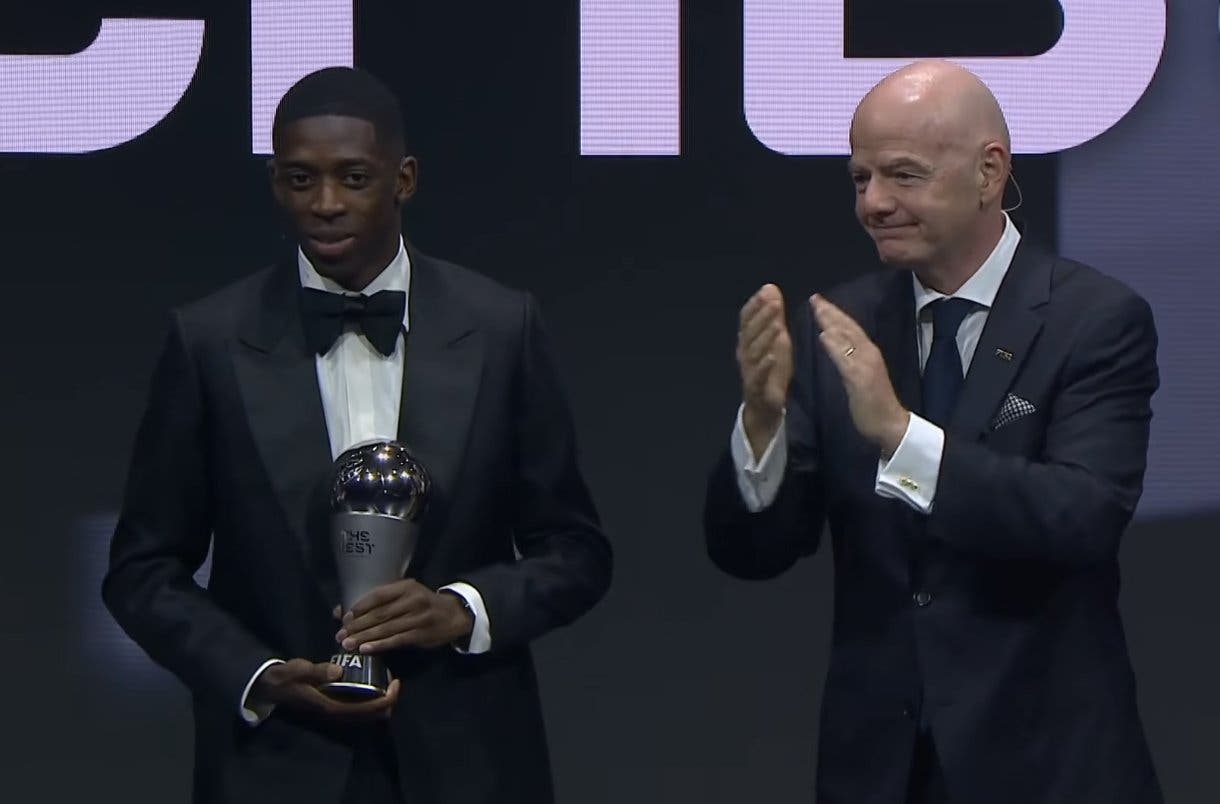
The FIFA The Best awards ceremony had unmistakable leading figures. Ousmane Dembélé was crowned Best Men’s Player, Gianluigi Donnarumma claimed the Best Goalkeeper award, and Luis Enrique was named Best Coach after a brilliant season with Paris Saint-Germain. With the winners confirmed, the votes cast by captains and national team coaches were revealed — including those of Lionel Messi, which quickly drew attention.
The captain of the Argentina national team once again offered a clear glimpse into his football values, blending loyalty to national teammates with meaningful nods to figures connected to FC Barcelona, the club that defined much of his career.

Messi’s Vote for Best Men’s Player
In the night’s most anticipated category, Messi aligned his vote with the general consensus. He placed Ousmane Dembélé first, recognizing the French winger’s breakout, career-defining year — a player he once shared a dressing room with at Barça. His second vote went to Kylian Mbappé, while third place was reserved for Lamine Yamal, widely viewed as Messi’s heir within the Catalan club.
It was a selection that balanced present dominance, elite pedigree, and long-term potential.
Backing Dibu and Consensus in Goal
When voting for Best Goalkeeper, Messi once again mirrored the majority view. He ranked Gianluigi Donnarumma first, followed by Emiliano “Dibu” Martínez, with Thibaut Courtois completing his top three.
Although the Argentine keeper missed out on retaining the award, Messi’s support reaffirmed Dibu’s standing and respect within the global elite.
Luis Enrique, Messi’s Choice on the Touchline
For Best Coach, Messi also voted for the eventual winner. His top choice was Luis Enrique, the architect of PSG’s dominant season, followed by Hansi Flick, now in charge at Barcelona, and Mikel Arteta of Arsenal.
The trio reflects tactical ambition, attacking identity, and long-term project-building — values closely tied to Messi’s own football philosophy.
An Argentine Touch in the Puskás Award
Beyond Messi’s votes, the ceremony delivered another moment of pride for Argentina. Santiago Montiel, of Independiente, won the Puskás Award for Goal of the Year thanks to his spectacular bicycle kick against Independiente Rivadavia in the Torneo Apertura.
Montiel became the third Argentine to claim the Puskás, following Erik Lamela and Alejandro Garnacho. A curious footnote remains: despite his legendary career, Lionel Messi has never won the Puskás Award.


