
The Day Pep Guardiola Nearly Went to Prison
Long before becoming one of the world’s most successful coaches, Pep Guardiola spent years fighting a legal battle to clear his name.
Long before building his legacy as a coach, Pep Guardiola faced a battle that threatened something far more important than a football result. In 2001, during his time as a player with Brescia, the Spaniard failed two doping tests, beginning a legal saga that would eventually lead to a seven-month prison sentence.
Guardiola had recently arrived in Italian football after spending most of his career with Barcelona. At Brescia, he shared a dressing room with stars such as Roberto Baggio and had played only a handful of games when he received the news that would follow him for years.
The tests detected nandrolone, a banned substance associated with increased strength and muscle mass. Guardiola, however, maintained from the beginning that he had never knowingly taken a performance-enhancing substance.
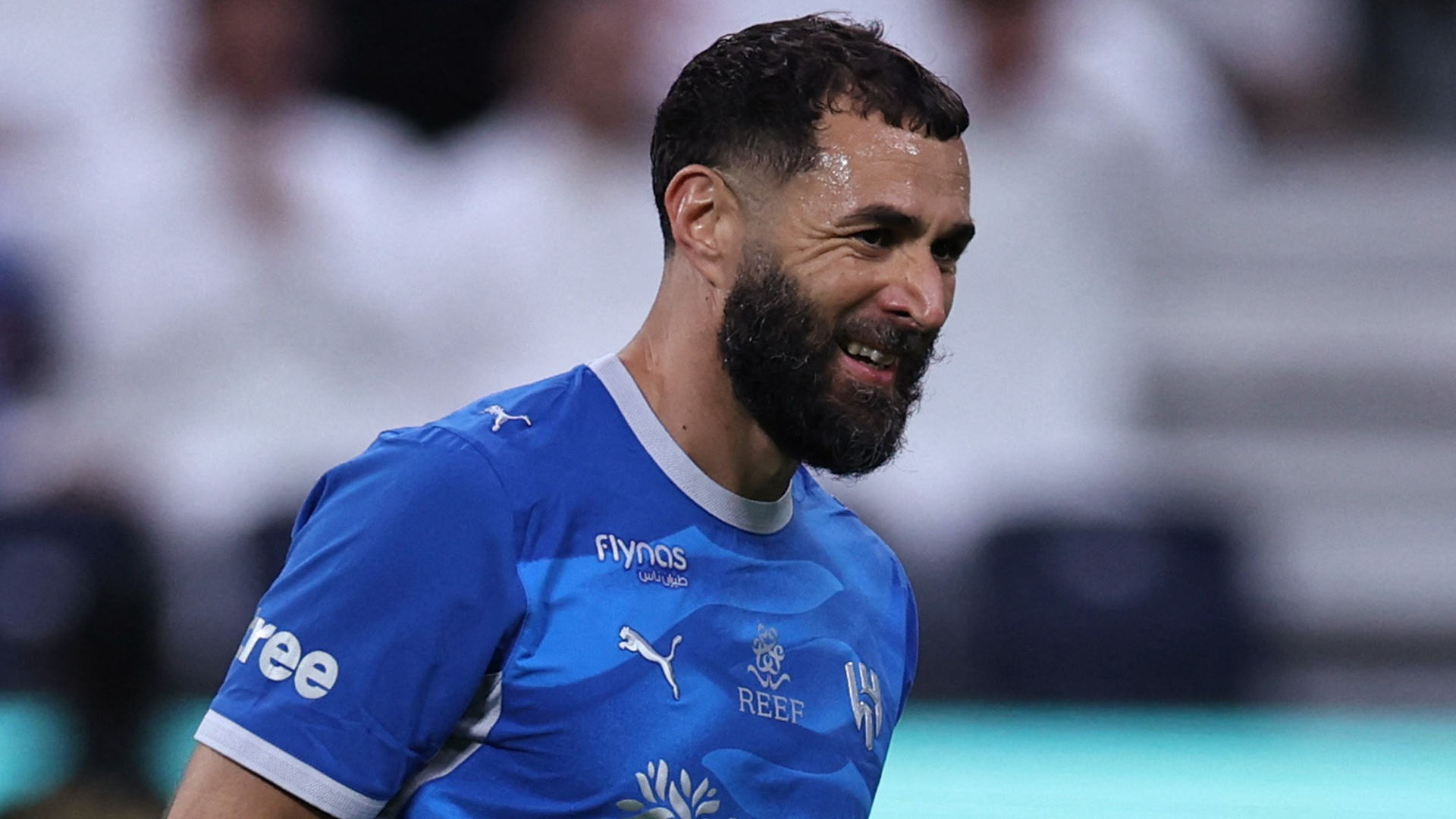
Guardiola decided to fight until the end
The news emerged on November 22, 2001, and the midfielder immediately defended himself publicly. He explained that he had been taking vitamin supplements under medical supervision for years and insisted that he had never previously experienced problems with doping tests.
The Italian National Olympic Committee (CONI) opened proceedings against the player, with Guardiola eventually receiving a four-month suspension and a €50,000 fine.
Serving the punishment, however, did not mean accepting the accusation. Guardiola returned to the pitch but continued pursuing every available avenue to prove his innocence through sporting and legal channels.

The battle went far beyond football
The case eventually moved beyond the sporting arena. Guardiola appealed through different channels, including bodies such as FIFA and the Court of Arbitration for Sport (CAS), while maintaining that the positive tests were not the result of intentional doping.
The appeals failed to immediately bring the case to an end, and the dispute eventually reached the Italian courts. By then, Guardiola was no longer simply fighting to play football again. His reputation was at stake after a career that had previously been untouched by doping controversy.
The Spaniard refused to walk away. His position was straightforward: if he knew he was innocent, serving a sporting suspension could not be the end of the story.
Then came the threat of prison
The most difficult moment arrived in 2005. An Italian court sentenced Guardiola to seven months in prison and a €2,000 fine, delivering one of the biggest blows of his professional career.
The former midfielder did not ultimately serve time behind bars because he had no previous criminal record, but the conviction was devastating. Four years had already passed since the tests that started the entire ordeal.
Guardiola could have moved on. Instead, he continued appealing because his objective was no longer to avoid a suspension he had served years earlier. He wanted the courts to formally clear his name.
Six years later, the answer finally came
The battle finally ended in 2007. The Brescia Court of Appeal cleared Guardiola, bringing an end to a case that had followed him through the closing years of his playing career.
For Guardiola, the ruling meant much more than winning a legal case. It was the vindication he had pursued since the first positive test in 2001.
“When you are right, you have to fight against the world,” he said at the time. Guardiola also left behind a message that summed up his position throughout the ordeal: “You are not guilty until proven otherwise.”
Years before becoming the successful coach who would go on to manage Barcelona, Bayern Munich and Manchester City, Guardiola had already fought one of the toughest battles of his career. This one was decided far away from a football pitch.

3 Key Takeaways From Pep Guardiola’s Case
- Two tests changed everything: Guardiola tested positive for nandrolone in 2001 while playing for Brescia and was initially handed a four-month suspension.
- He received a prison sentence: Guardiola was sentenced to seven months in 2005, although he did not ultimately serve time behind bars.
- He never stopped fighting to clear his name: after years of appeals, Guardiola was cleared in 2007, finally bringing the legal battle to an end.