
Liga Portugal continues to establish itself as a competition capable of attracting internationally recognized players, and the salaries of its biggest stars reflect that growing financial ambition. However, a new analysis of player earnings for the 2026-2027 season has revealed several surprising results, including the remarkable influence of loan signings among the league's highest-paid footballers.
The Highest-Paid Players in Liga Portugal
A new analysis of Portuguese football salaries reveals multimillion-euro contracts, loan players among the league's top earners, and several surprising omissions. FC Porto, Benfica, and Sporting CP dominate the rankings.
According to a report published by A Bola, based on figures from Capology, Salary Sport, and FootyStats, the highest earners in Portuguese football receive estimated gross annual compensation exceeding six million euros.
These figures are estimates that may include performance-related bonuses and should not be considered officially confirmed contractual salaries.
Seko Fofana and Santiago Giménez Lead the Rankings

Two FC Porto players sit at the top of the list: Seko Fofana and Santiago Giménez, both earning an estimated €6.25 million in gross annual compensation.
The Ivorian midfielder Seko Fofana and Mexican striker Santiago Giménez joined the Portuguese giants on loan, making them two of the league's most significant arrivals from a financial perspective.
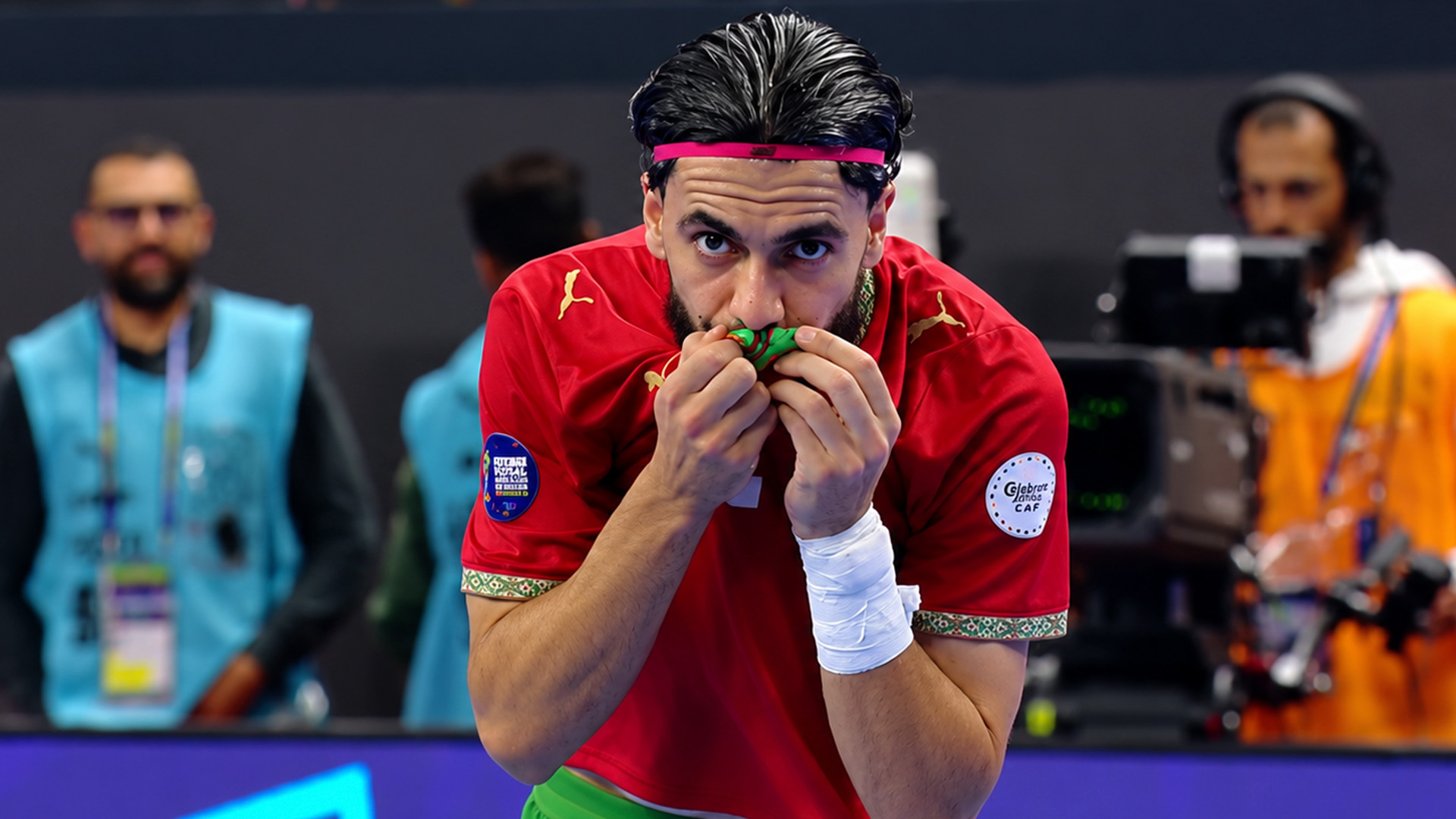
Their positions highlight how loan agreements can allow Portuguese clubs to attract players with substantial contracts without necessarily committing to permanent transfer fees.
Another notable name is Colombian forward Jhon Durán, who joined Benfica on loan from Al-Nassr.
The striker's estimated gross annual compensation stands at €6.01 million, placing him among the league's highest earners.
Interestingly, Jhon Durán shares that figure with João Palhinha, another Benfica player who returned to Portuguese football following his spell abroad.
Diogo Costa and Other Big Names Among the Top Earners
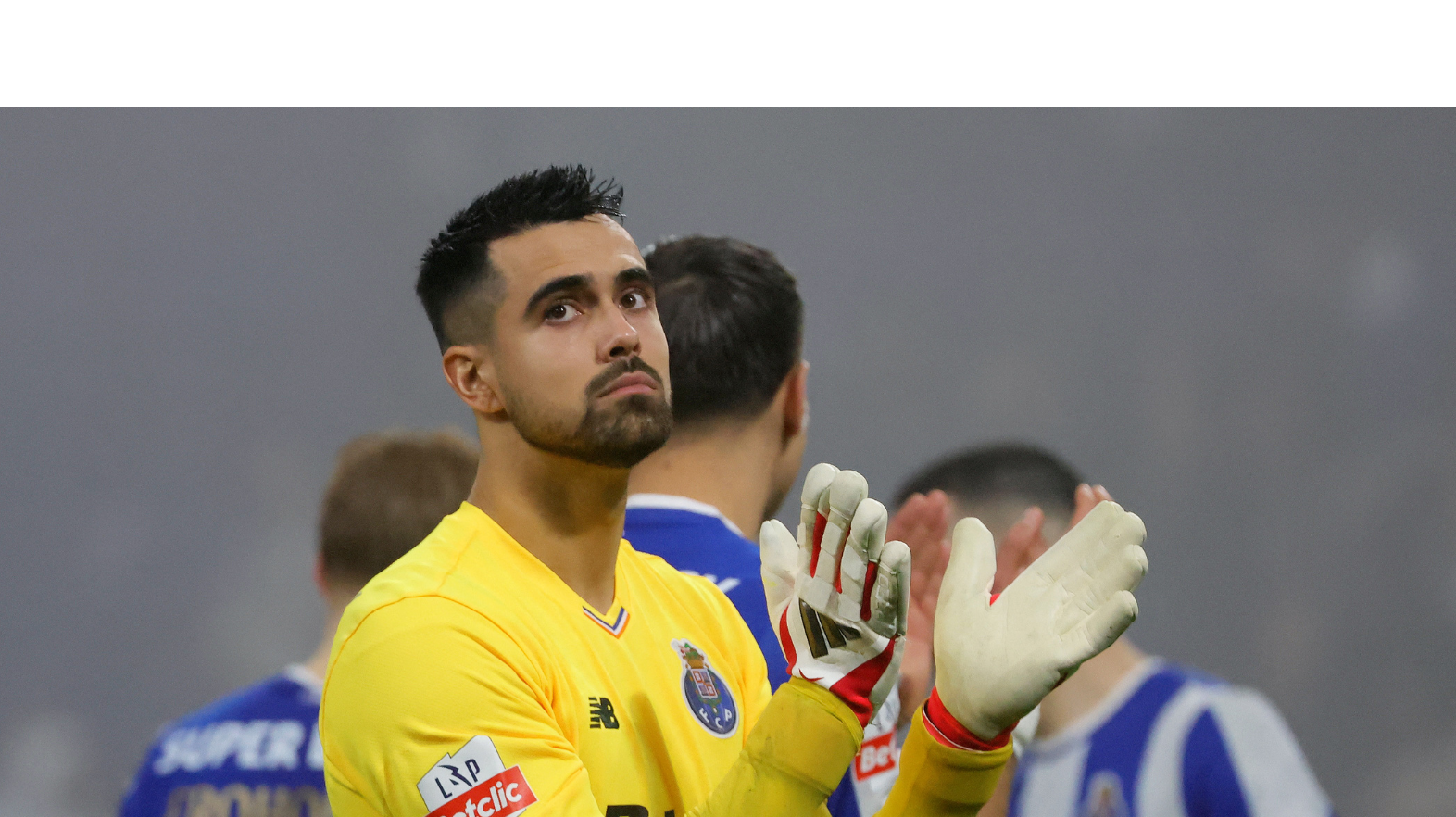
Among players on permanent contracts, Diogo Costa stands out as one of the league's best-paid stars.
The FC Porto goalkeeper earns an estimated €5.77 million annually, reflecting his importance to the club's sporting project.
Polish defender Jakub Kiwior, also representing FC Porto, follows with approximately €5.5 million in estimated gross annual compensation.
Meanwhile, Benfica midfielder and attacker Rafa Silva is listed at around €5.29 million per year.
These figures demonstrate the financial strength of Portugal's biggest clubs and their willingness to invest heavily in players with international experience.
Sporting CP's Biggest Earner and Some Surprising Omissions
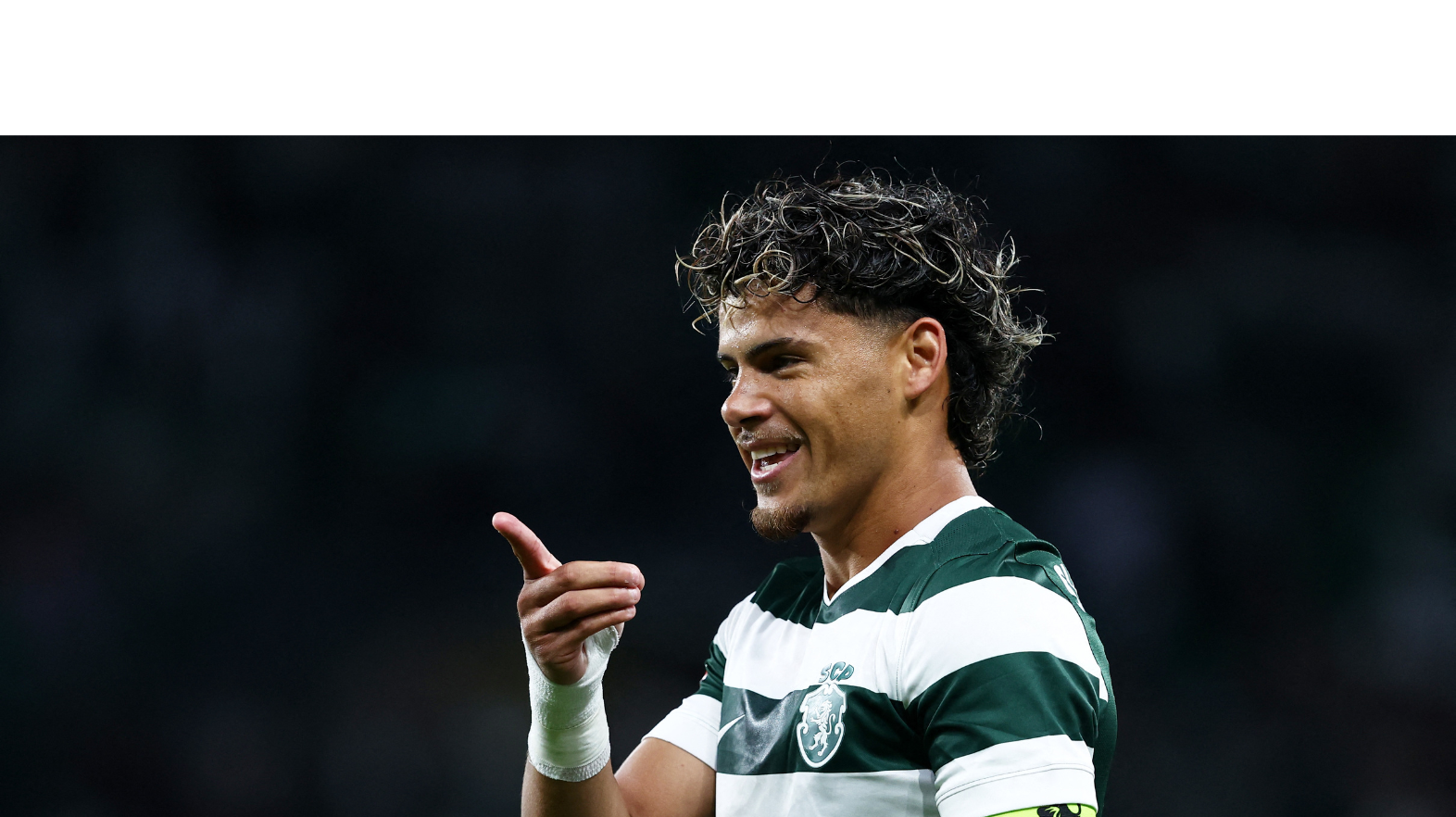
At Sporting CP, the highest-paid player is Uruguayan international Maxi Araújo, whose estimated gross annual compensation reaches €4.04 million.
He is followed by Rodrigo Zalazar and Sergi Altimira, two recent additions earning approximately €3.6 million per season.
However, one of the most surprising findings concerns Geny Catamo.
Despite his important attacking role for Sporting CP, the Mozambique international does not feature among the league's 50 highest-paid players.
A similar situation applies to Victor Froholdt, the FC Porto midfielder whose impressive performances have not translated into a place among the top 50 earners.
Their absence illustrates how financial compensation does not always reflect a player's importance or influence on the pitch.
The Financial Dominance of Portugal's Big Three
Perhaps the most revealing aspect of the study is the extraordinary concentration of financial power within Liga Portugal.
Of the 50 highest-paid players, 48 represent FC Porto, Benfica, or Sporting CP.
The only exception is SC Braga, which contributes two players to the list.
These findings underline the financial gap separating Portugal's biggest institutions from the rest of the competition.
Nevertheless, the rankings also offer an important reminder: the players earning the highest salaries are not necessarily those delivering the greatest impact.
In Portuguese football, as elsewhere, financial investment and on-field performance do not always go hand in hand.