
- Home >
- Soccer >
- UEFA Champions League >
- Champions League set for historic ball change after more than two decades
Champions League set for historic ball change after more than two decades
A quiet move behind the scenes could reshape one of football’s most iconic images. Nothing is official yet—but the impact could be massive.
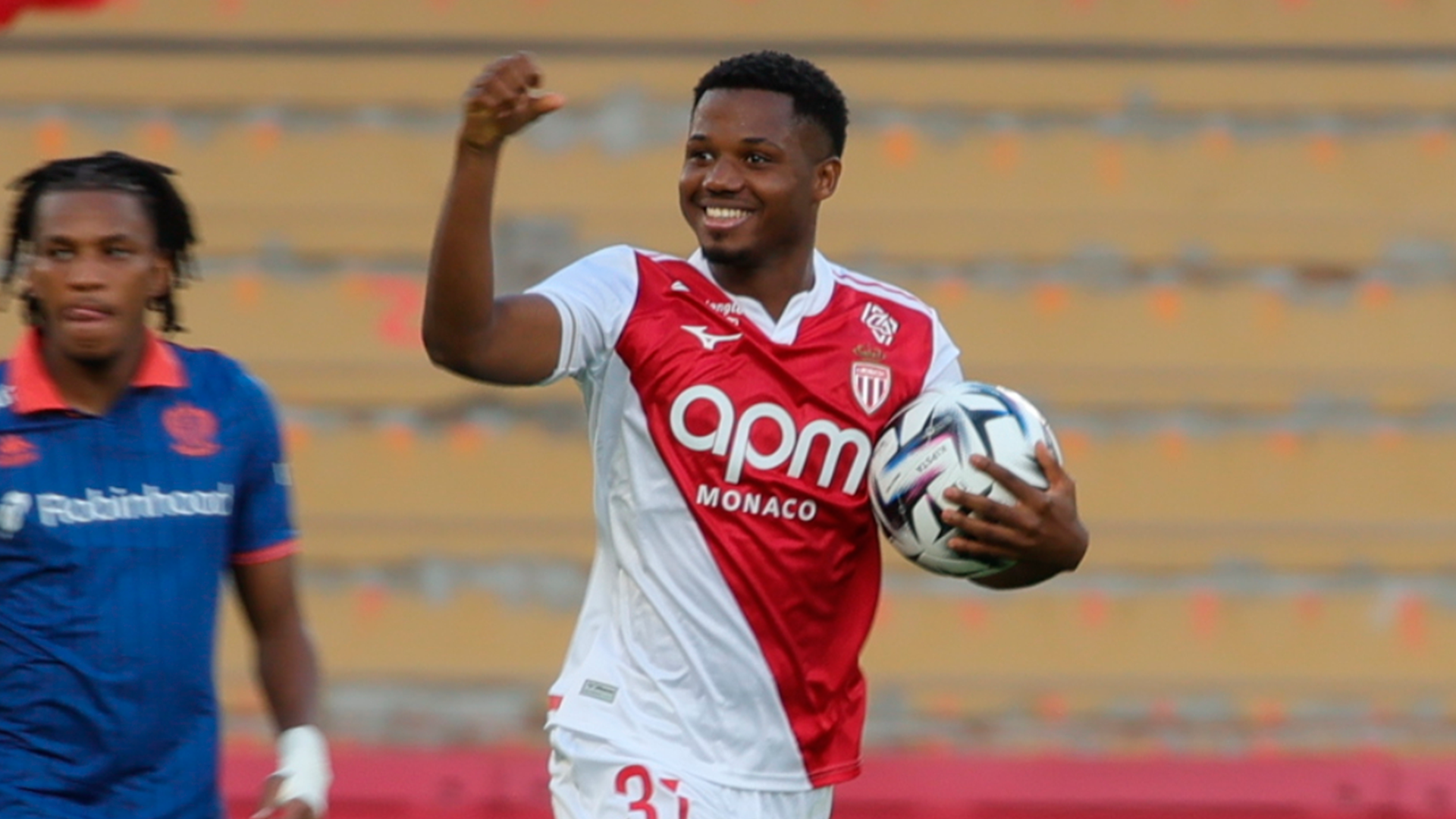
The UEFA Champions League could be on the verge of a transformation that would break with one of its most recognizable traditions. For years, the match ball has been a core part of the competition’s identity, but strategic discussions behind closed doors now threaten to change that image in the near future.
A change that breaks tradition
After more than two decades of partnership with Adidas, Europe’s top club competition is now exploring new possibilities. The organization led by Aleksander Čeferin has entered talks with Nike, its longtime industry rival, with the aim of securing a deal starting in 2027.
The information was confirmed by UC3, the joint venture between UEFA and the clubs, making it clear that this is far more than just speculation. If completed, it would mark one of the most symbolic changes in the competition’s modern history.

A deal that changes everything
Beyond the visual impact, the potential agreement also stands out for its financial scale. According to reports from the Financial Times, the new partner would be willing to pay around €40 million per year to become the official ball supplier.
The deal, still under negotiation, would run for four years—through 2031. A massive investment that highlights the global reach of the Champions League and the commercial value of every element surrounding it, including the ball itself.

Football in an era of change
This possible shift would not come as a surprise in today’s football landscape. In recent years, the sport has seen several major sponsorship changes that have reshaped long-standing partnerships. One of the most notable was the Germany national football team, which also moved away from Adidas in favor of Nike.
Even competitions like LaLiga have undergone similar transitions. In 2019, Spain’s top division ended a 23-year relationship with its ball supplier, opening the door to new commercial opportunities.
The end of an era?
While negotiations are still ongoing, the mere possibility already signals a turning point. The Champions League ball is not just a piece of equipment—it is a global symbol of modern football.
If the deal goes through, it won’t just change a brand… it will redefine an image that has defined generations of fans.