
The Five Biggest Disappointments of WAFCON 2026
These teams were expected to make a deep run in the continental tournament, but fell short and raised plenty of questions.
The 2026 Women’s Africa Cup of Nations (WAFCON) produced several disappointments among the teams that arrived in Morocco with the highest expectations. Zambia, Nigeria, South Africa, Ghana and Côte d’Ivoire all fell short of expectations, although they do not all face the same situation heading into the 2027 FIFA Women’s World Cup in Brazil.
This year’s tournament carried added importance because it served as the African qualifier for Brazil 2027. The four semifinalists secured direct qualification, while the four teams eliminated in the quarterfinals entered a playoff for two places in the inter-confederation playoff.
1) Nigeria: The Defending Champions Who Fell Too Early
The biggest blow came for Nigeria. The Super Falcons arrived as defending champions and the most successful team in WAFCON history, but their title defense ended much earlier than expected.
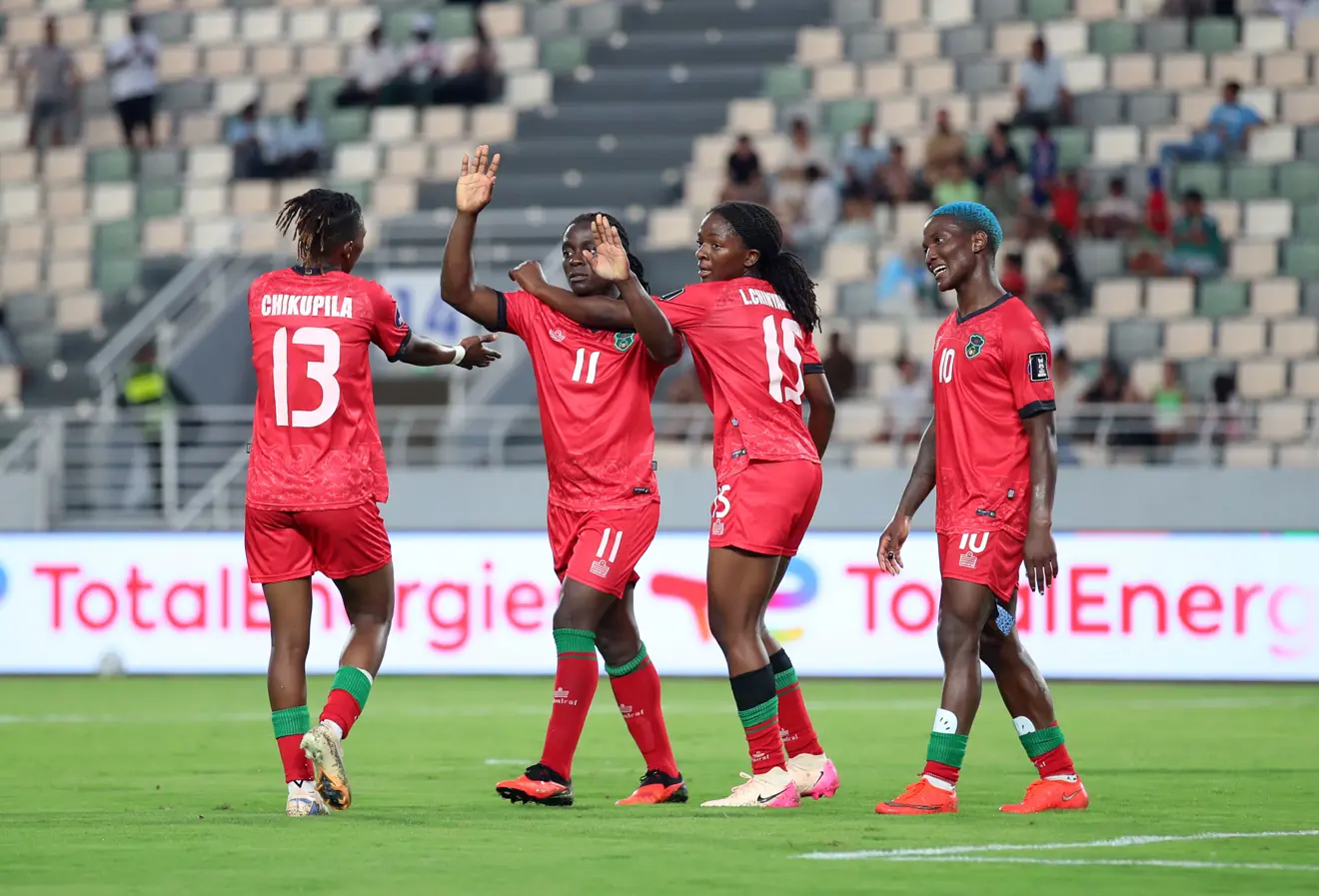
The tournament began with a stunning 3-2 defeat to Malawi, immediately raising concerns. Nigeria recovered with a win over Zambia and advanced to the knockout stage, but were eventually eliminated by Cameroon in the quarterfinals.
For a team accustomed to dominating African women’s football, an early exit represented a major disappointment.
The setback was even more damaging because of its consequences on the road to Brazil 2027.
Nigeria failed to secure one of the direct World Cup spots and later lost 2-1 to South Africa, ending their hopes of reaching the semifinals and automatically qualifying for the World Cup.
As a result, the Super Falcons will miss the FIFA Women’s World Cup for the first time, having appeared at every previous edition. FIFA lists Nigeria with nine World Cup appearances through 2023.
The team also arrived in Morocco facing questions about its preparation and an ongoing rebuilding process. Head coach Justine Madugu had acknowledged that the squad was still a work in progress, and that lack of stability ultimately showed in a campaign that went from defending the continental crown to missing out on the next World Cup.
2) Zambia: Plenty of Individual Talent, but Not Enough Team Balance
The Copper Queens arrived with the experience of having played at their first World Cup in Australia and New Zealand in 2023, along with a generation led by Barbra Banda and Racheal Kundananji. The objective was to take another step forward and challenge for a place in the semifinals.
Instead, Zambia once again fell short when it mattered most, unable to turn their individual quality into a run deep enough to reach the final stages. FIFA had identified a semifinal appearance as Zambia’s route to automatic qualification for Brazil 2027.
One of the major positives was Barbra Banda, who finished among the tournament’s leading scorers. However, her individual production was not enough to carry the Copper Queens beyond the quarterfinal stage.
For Zambia, the conclusion is clear: having elite attacking players is not enough. The team needs greater collective balance to make the leap expected after its historic 2023 World Cup campaign and its appearances in the knockout stages of the previous WAFCON editions.
3) South Africa: The Points That Ultimately Proved Costly
For South Africa, the biggest problem came during the group stage. The Banyana Banyana, champions in 2022 and semifinalists in the previous edition, dropped important points against Tanzania and Burkina Faso, making their path more difficult from the outset.
The team is also going through a transition, with the challenge of blending established leaders with a younger generation. South Africa failed to reach the semifinals and therefore missed out on automatic qualification for Brazil 2027.
However, their World Cup hopes are not necessarily over. The teams eliminated in the quarterfinals entered the playoff route that can lead to the inter-confederation playoff for Brazil 2027.
The stakes are particularly high because South Africa have appeared at only the last two Women’s World Cups, in 2019 and 2023. They now need to navigate the playoff route to maintain that streak.
4) Ghana: Another Generation Falls Short of the Big Breakthrough
Ghana also arrived in Morocco with unfinished business. The Black Queens had reached the semifinals in the previous edition and were looking to return to the World Cup for the first time since China 2007.
Their elimination once again delayed that objective. Ghana failed to reach the semifinals and therefore missed the chance to qualify directly for Brazil 2027.
Like South Africa, however, Ghana remained alive through the playoff route after defeating Côte d’Ivoire 2-1.
The challenge now is to make the decisive breakthrough. The combination of experienced players and younger talent has yet to consistently translate into results. For Ghana, the playoff represents a second chance to prevent another World Cup cycle from ending without a place at the sport’s biggest stage.
5) Côte d’Ivoire: A Return That Fell Short Once Again
Côte d’Ivoire returned to the WAFCON after several years away with hopes of restoring their place among Africa’s leading teams. The Ivorians qualified for the 2015 Women’s World Cup but have not returned to the global tournament since.
Their return to the continent’s biggest stage did not produce the expected outcome. The team showed flashes of talent but remains in the middle of a rebuilding process and needs greater consistency to compete with Africa’s traditional powers.
The elimination represents another setback for a team that has spent years trying to recapture the level it showed during its best period.
With Brazil 2027 still the objective, Côte d’Ivoire must turn this experience into a foundation for the future rather than another missed opportunity.
Extra: Morocco — At Home Again, but Still Without the Trophy
Morocco once again fell short in their attempt to win their first Women’s Africa Cup of Nations title.
The Atlas Lionesses reached the tournament as hosts for the third consecutive edition and arrived after losing the 2022 and 2024 finals. With Jorge Vilda, Spain’s 2023 World Cup-winning coach, on the sidelines, expectations were extremely high.
However, Morocco were eliminated by Cameroon in the semifinals after a 0-0 draw and a 3-1 defeat on penalties. Cameroon subsequently went on to win their first WAFCON title, beating Malawi 3-0 in the final.
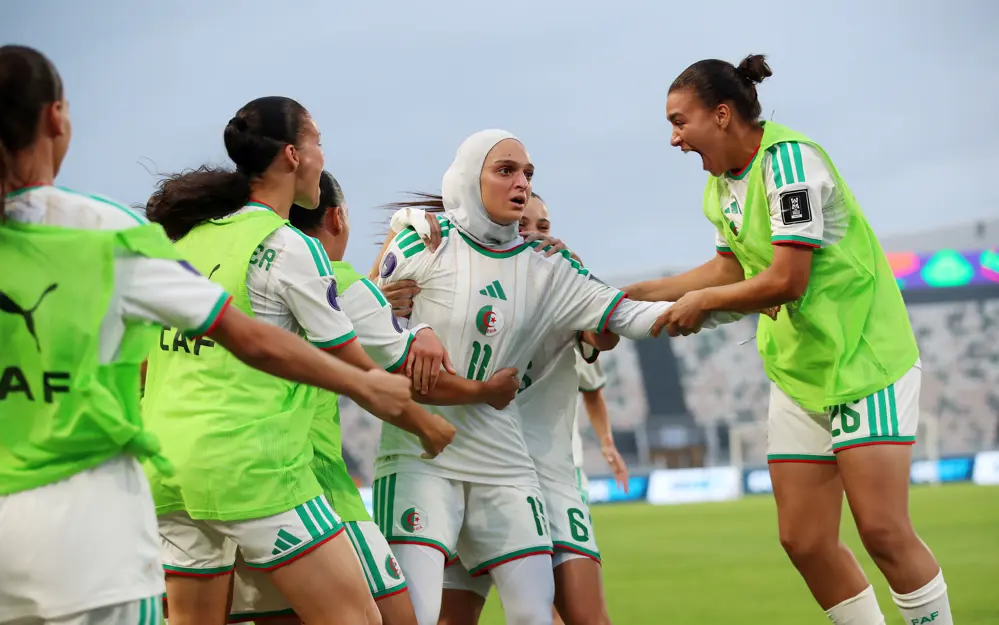
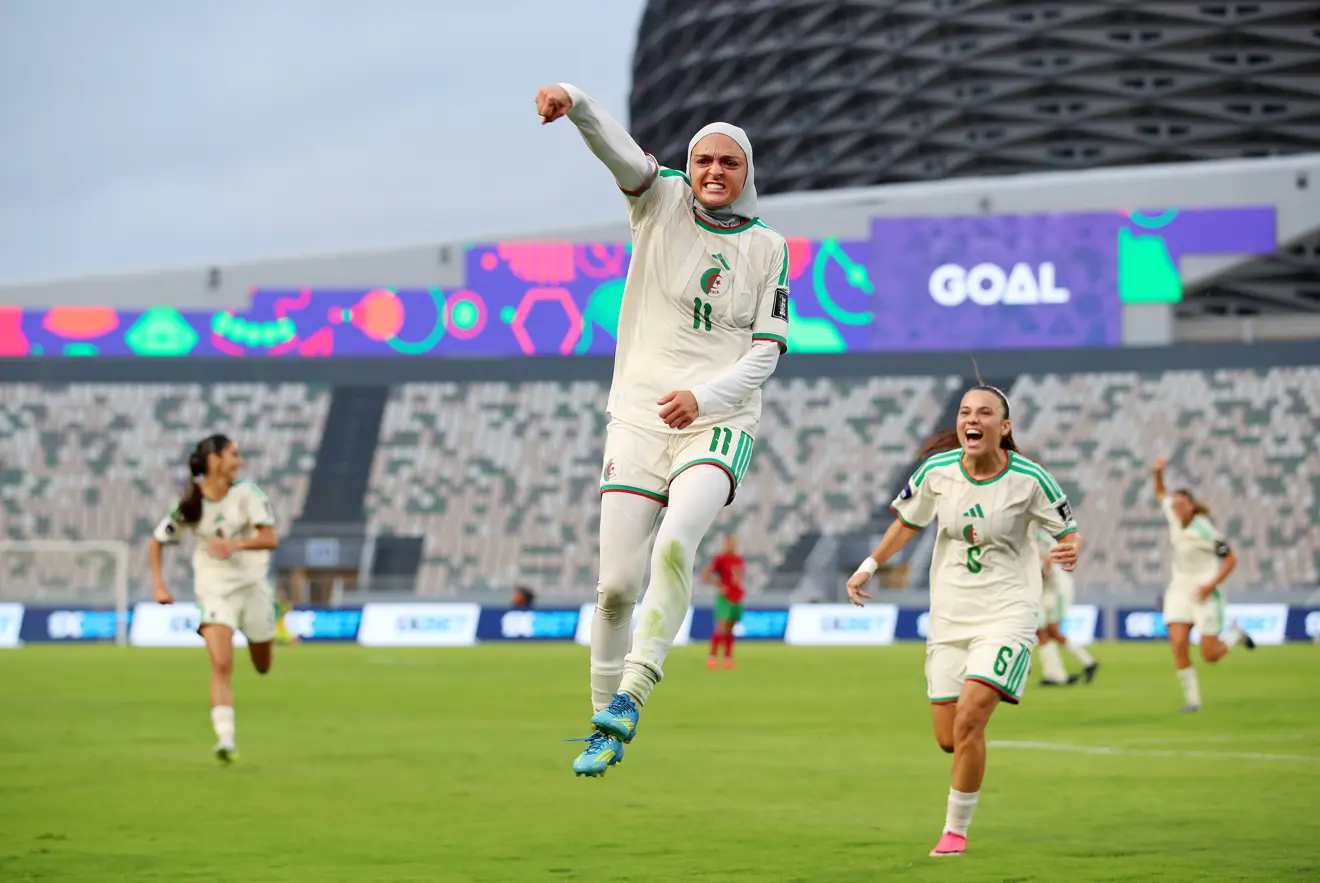
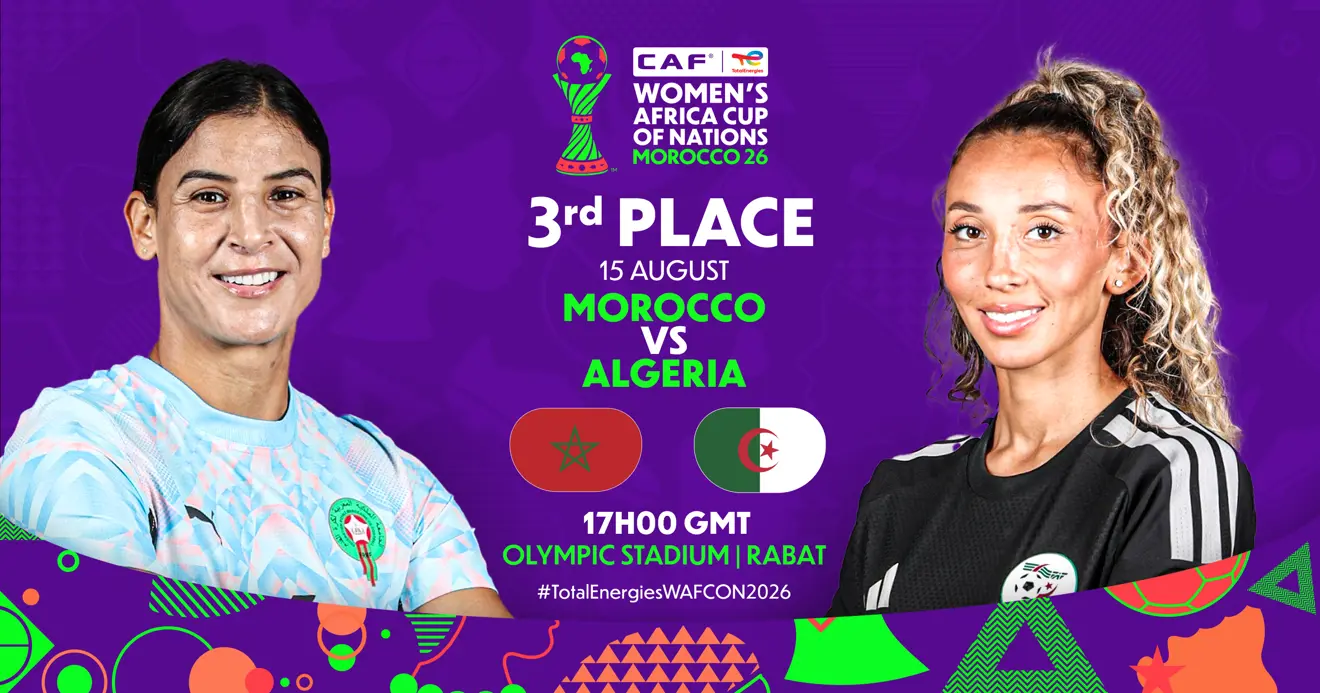
The disappointment continued in the third-place match, where Algeria defeated Morocco on penalties after a 1-1 draw.
Ultimately, a lack of cutting edge proved costly for the hosts.
Vilda’s project now faces pressure after failing to make the final breakthrough, while Morocco remain with the same unfinished task: winning the WAFCON for the first time despite hosting the tournament for three consecutive editions.
African Women’s Football Is Changing
Taken together, the campaigns of Zambia, Nigeria, South Africa, Ghana and Côte d’Ivoire underline a clear trend: African women’s football is growing, but the continent’s traditional powerhouses can no longer take success for granted.
And while some teams have already seen their World Cup hopes disappear, the road to Brazil 2027 is still open for others through the playoff route.