
FIFA Plans to Expand VAR Powers for the 2026 World Cup
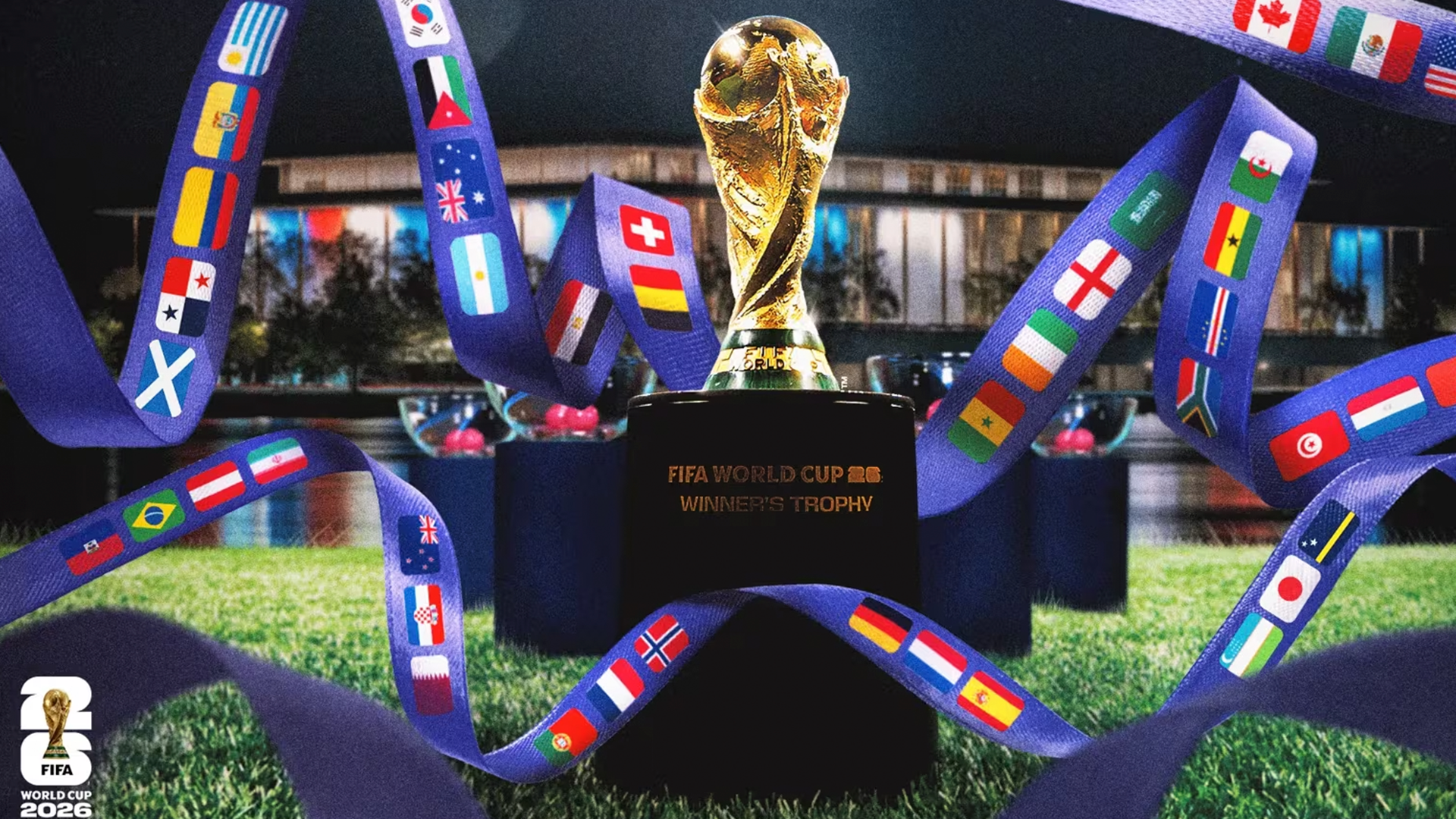
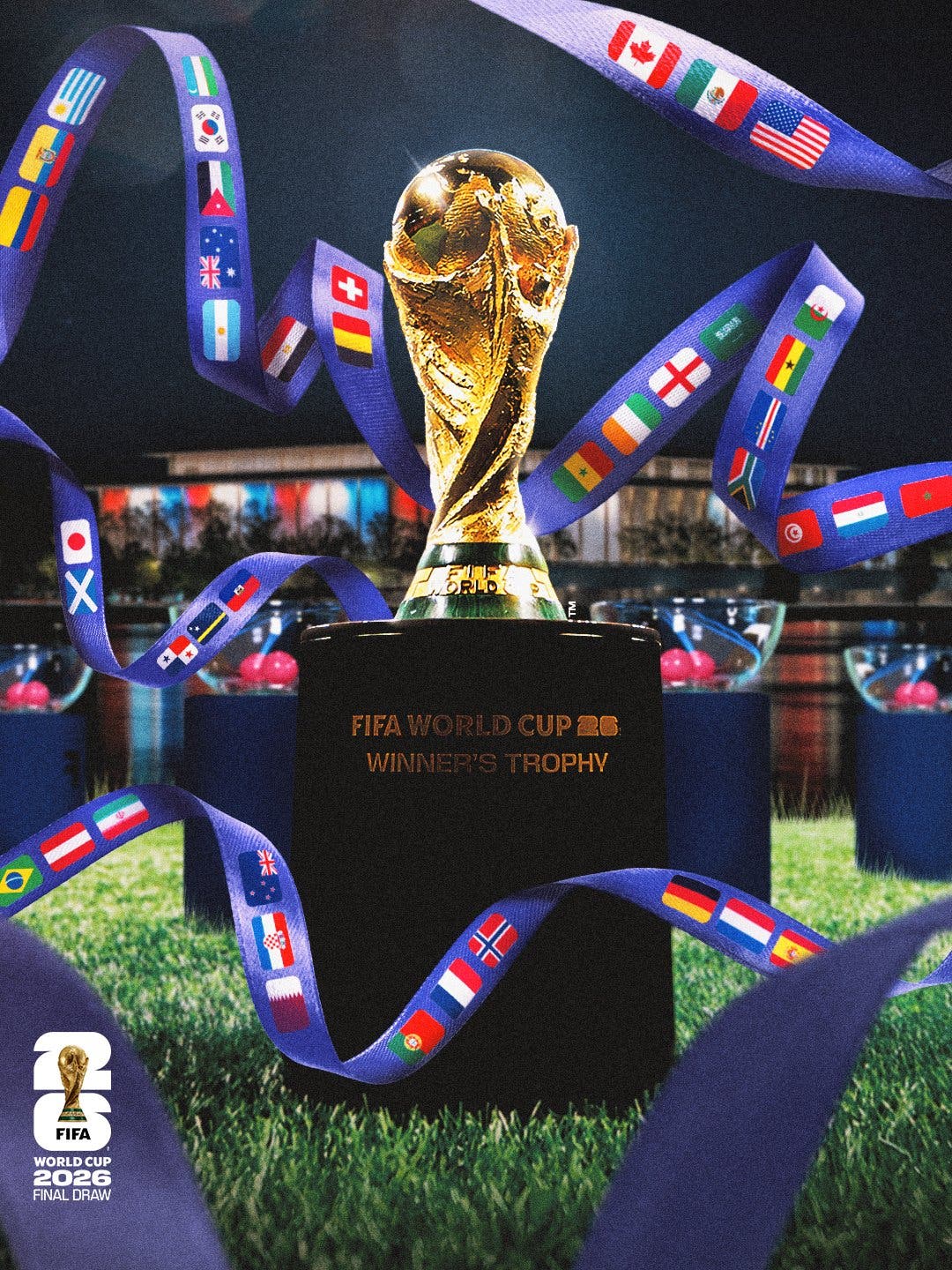
The 2026 FIFA World Cup, hosted across the United States, Mexico, and Canada, could mark a turning point in global officiating. FIFA is evaluating significant adjustments to the VAR protocol, aiming to reduce mistakes in decisive actions and elevate refereeing accuracy on the sport’s biggest stage.
According to reporting from The Times, the proposed changes would drastically reshape the role of video review at the tournament.
What New Situations Would VAR Be Allowed to Review?
The standout proposal is a major expansion of the protocol that would allow VAR to review corner-kick decisions and second yellow cards — two areas traditionally off-limits for video intervention.
Under current rules, the VAR cannot correct an incorrectly awarded corner or an unjust second booking, even when such decisions directly influence the match.
The intention is simple: avoid unfair expulsions and ensure that set pieces leading to goals or major moments stem from correct decisions.
If approved, this evolution of VAR would mirror FIFA’s approach in 2017, when new protocols were tested ahead of their global implementation.
What Is IFAB’s Position on These Changes?
The International Football Association Board (IFAB) — the body responsible for the Laws of the Game — had already initiated this discussion.
During an October virtual meeting of its Technical and Football Advisory Panels (FAP–TAP), IFAB acknowledged the need to allow VAR to intervene when a player receives an incorrect second yellow card, one of the most controversial gaps in the current system.
A formal proposal will be presented on January 20, 2026, during IFAB’s annual meeting in London. If approved, the World Cup would become the ideal testing ground before any permanent rule change.
What Other Measures Is FIFA Testing to Combat Time-Wasting?
In parallel, FIFA will experiment with a new regulation at the Arab Cup in Qatar.
The rule states that any player receiving medical attention on the field must leave the pitch for two minutes, unless the foul committed against him resulted in a yellow or red card.
The logic behind the measure is twofold:
• limit intentional delays,
• prevent teams from using medical stoppages as disguised tactical timeouts.
If the experiment proves effective, the rule could influence future international tournaments.

Why Do These Changes Matter for the 2026 World Cup?
Because 2026 will be the largest World Cup in history, featuring 48 teams, more matches than ever before, and unprecedented global attention. In such a massive tournament, every refereeing mistake becomes magnified.
FIFA’s objective is clear: minimize controversy and strengthen competitive fairness in an event that stretches across three countries and presents an enormous logistical challenge.
What’s unfolding is a deep modernization of the officiating protocol. And if the trials succeed, the 2026 World Cup could become the edition that permanently redefines how VAR is used in global football.