
- Home >
- Soccer >
- FIFA World Cup >
- What Sanctions Could Argentina Face After the 2026 FIFA World Cup Controversies?
What Sanctions Could Argentina Face After the 2026 FIFA World Cup Controversies?
La Albiceleste remains under scrutiny following the controversies against England and Spain. Here's everything you need to know.
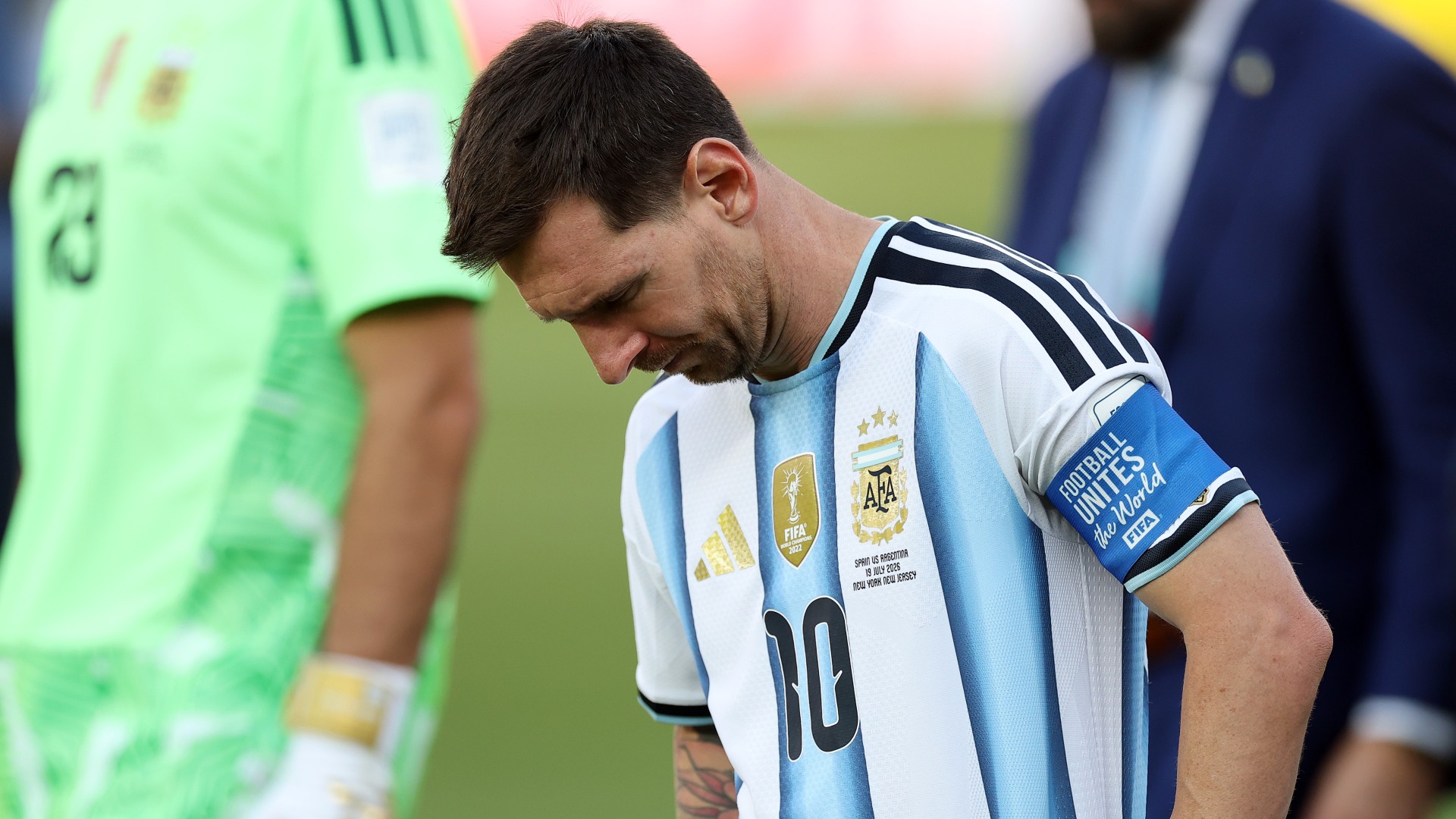
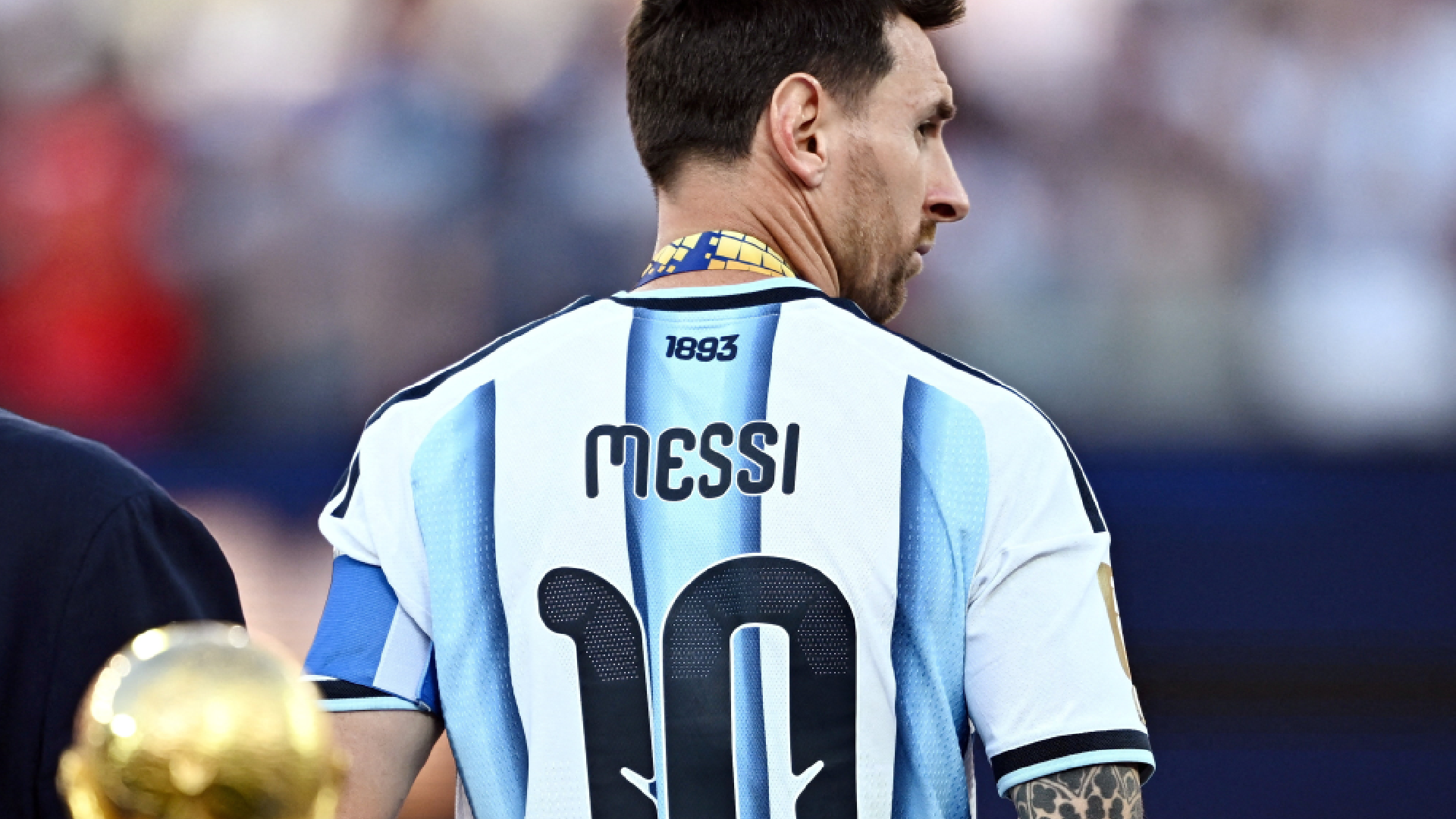
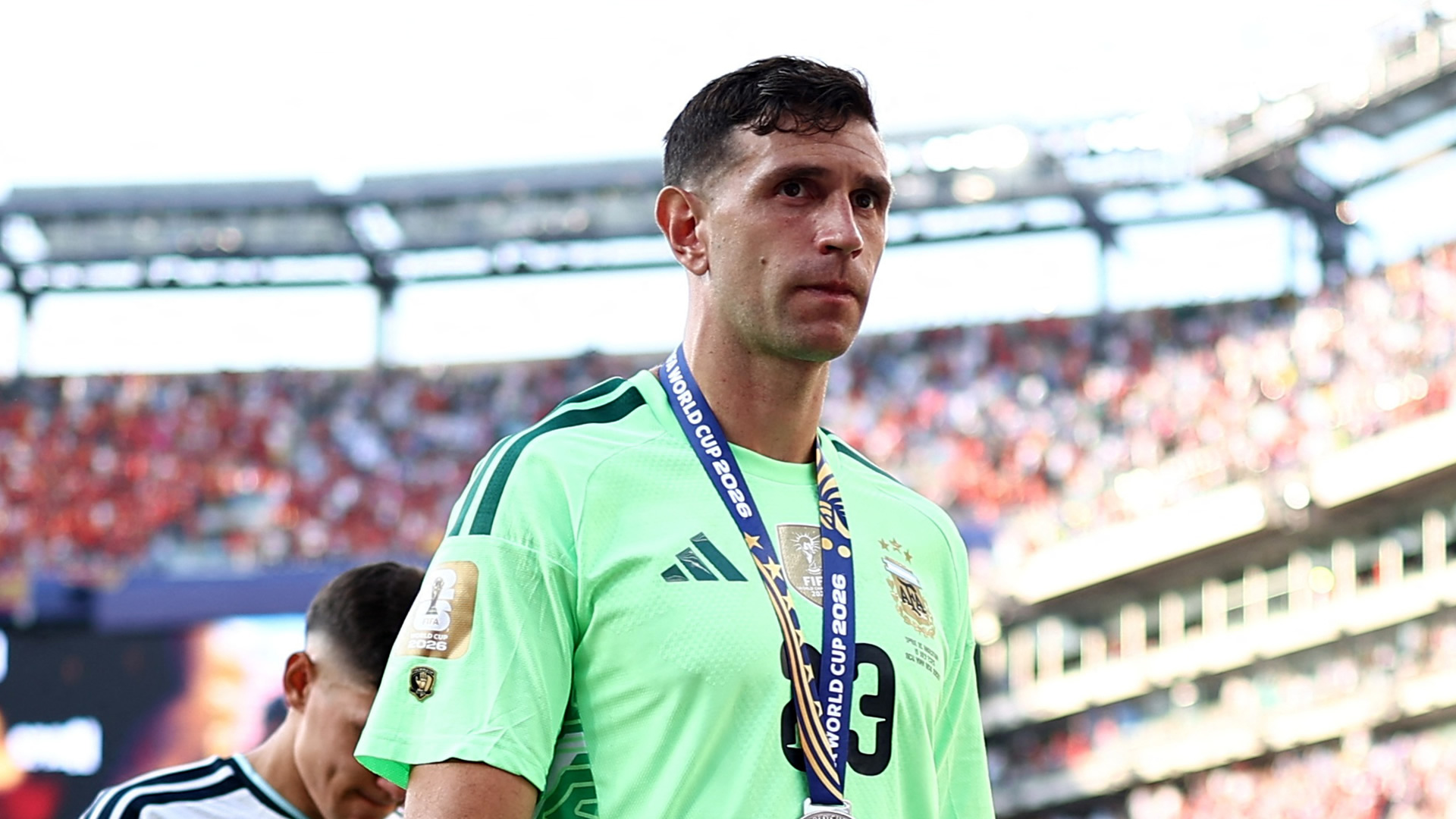
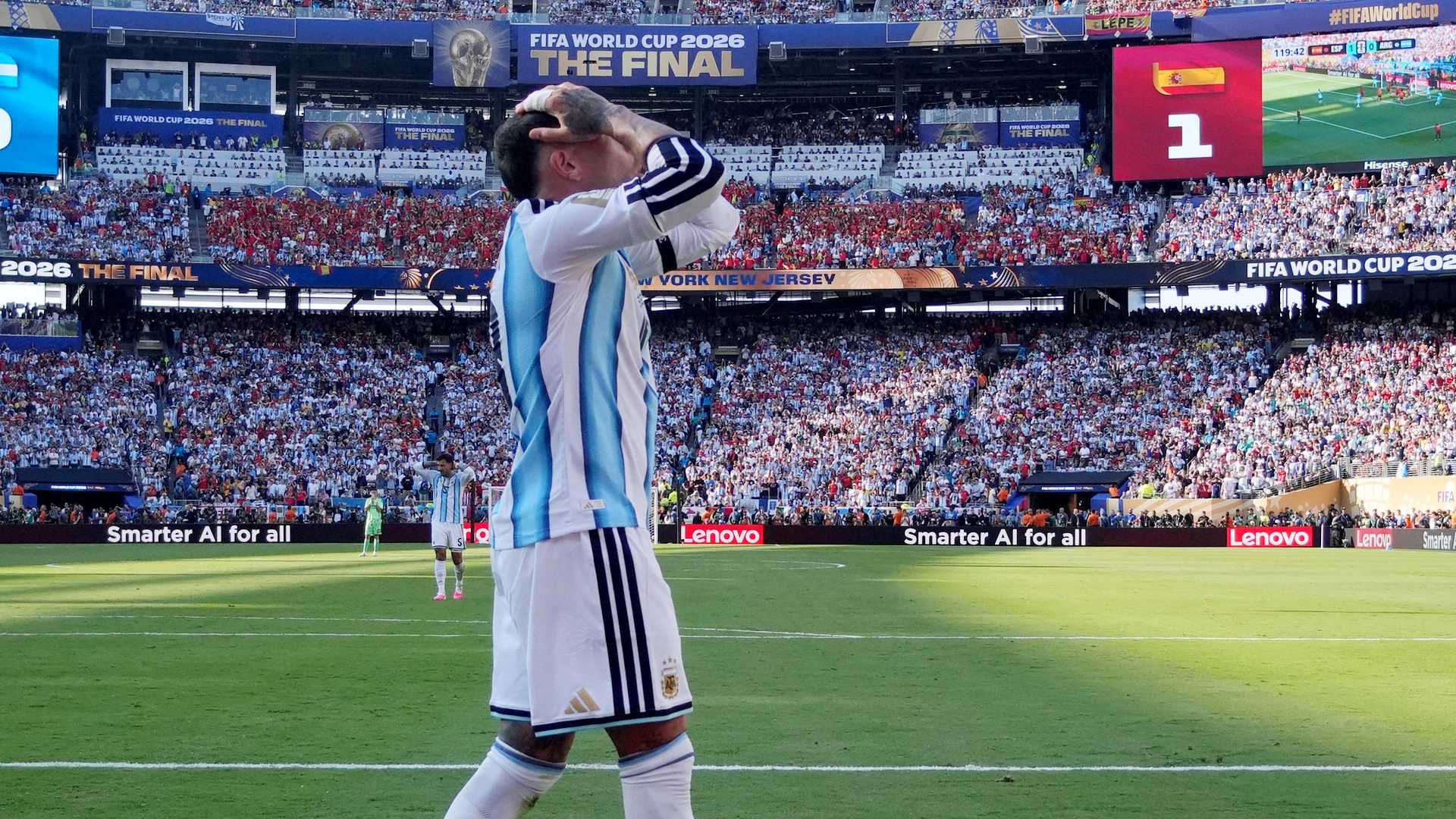
The Argentine national team has become the center of controversy at the 2026 FIFA World Cup following two incidents that could be reviewed by FIFA: the display of “The Malvinas are Argentine” banners after the semifinal victory over England and questions surrounding the team’s behavior during the final against Spain.
Although the images sparked international attention, FIFA has yet to announce whether disciplinary proceedings will be opened.
Could Argentina Be Punished for the Political Banner Against England?
The appearance of messages related to the sovereignty dispute over the Falkland Islands (known as the Malvinas in Argentina) after Argentina’s semifinal victory against England sparked debate over whether the celebration violated FIFA regulations.
The British government requested an investigation, arguing that the situation should be reviewed by world football’s governing body.
FIFA’s Disciplinary Code establishes sanctions for those who use football competitions to promote political, ideological, or unrelated messages. Articles 13 and 17 specifically address the display of political statements or messages considered inappropriate inside stadiums.
Potential consequences would likely focus on the Argentine Football Association (AFA), including financial penalties or official warnings. However, individual players could also face sanctions if FIFA determines they directly participated in displaying the message.

Argentina has previous experience with similar situations. In 2014, FIFA fined the AFA $33,000 after Argentina players posed with a banner reading “Las Malvinas son argentinas” before a friendly match against Slovenia.
FIFA has also punished other national teams and players for political gestures or messages considered outside the scope of football.
During the 2018 FIFA World Cup in Russia, Switzerland players Granit Xhaka and Xherdan Shaqiri were fined after celebrating goals against Serbia with the double-headed eagle gesture, a symbol associated with Albanian nationalism and Balkan political tensions.
In the 2022 FIFA World Cup in Qatar, the Serbian Football Association received a financial penalty after displaying a flag containing a message related to Kosovo.
In 2012, South Korean midfielder Park Jong-woo was suspended after showing a banner about the sovereignty dispute over the Dokdo/Takeshima islands during the celebration of a victory against Japan, resulting in a two-match international suspension.

Could Argentina Be Punished for Incidents Against Spain in the Final?
The other area under scrutiny involves events that occurred during the 2026 World Cup final. FIFA typically reviews these situations through referee reports, security documents, and official match reports.
If the governing body determines that there were unsporting gestures, misconduct, or violations of tournament regulations, it could open a disciplinary case.
Possible punishments range from financial fines to suspensions for players or members of the coaching staff, depending on the severity of the incidents.
However, not every controversial moment automatically leads to sanctions. FIFA evaluates each case individually, considering factors such as the context, previous disciplinary history, official reports, and whether a specific rule was breached.
Recent tournaments have included similar situations. Some players have received financial or sporting penalties for political or identity-related gestures, while other incidents resulted in no punishment because FIFA did not consider them violations.
One of the most memorable examples came during the 2006 FIFA World Cup final in Germany, when Zinedine Zidane was sent off after headbutting Italy’s Marco Materazzi. Zidane was later handed a three-match suspension and a financial fine. Although the ban could not be served in official matches because he retired after the tournament, the incident remains one of the most iconic examples of unsporting behavior in World Cup history.
Another major precedent involved Luis Suárez during the 2014 FIFA World Cup in Brazil. FIFA suspended the Uruguayan striker for nine official international matches and banned him from football-related activities for four months after he bit Italian defender Giorgio Chiellini.
There have also been sanctions for other disciplinary issues, such as the suspension of Diego Maradona during the 1994 FIFA World Cup in the United States after testing positive in a doping control, which forced him to leave the tournament.
Can Argentina Still Be Punished, or Will It Remain a World Cup Controversy?
Despite the time that has passed since the controversial moments, Argentina could still face sanctions if FIFA decides to open a formal investigation.
In international competitions, disciplinary cases are not always resolved immediately after a match. Proceedings can continue weeks later if additional evidence needs to be reviewed.
The absence of an official announcement does not necessarily mean the case has been closed. FIFA can act independently or based on complaints submitted by member associations, as long as they follow the procedures established in its regulations.
For now, the AFA is waiting to see whether FIFA interprets the celebrations and actions during the World Cup as part of the sporting context or as violations of disciplinary rules.
The final decision will depend on whether FIFA determines that Argentina breached its regulations or whether the incidents remain as part of the controversies surrounding the 2026 World Cup.
The excitement and historic clubs of #LigaPortugal are coming to #beINSPORTS
Available exclusively in the United States 🇺🇸
#beINSPORTS #LigaPortugal #LigaPortugalBetclic
Watch beIN SPORTS Xtra live for free on YouTube