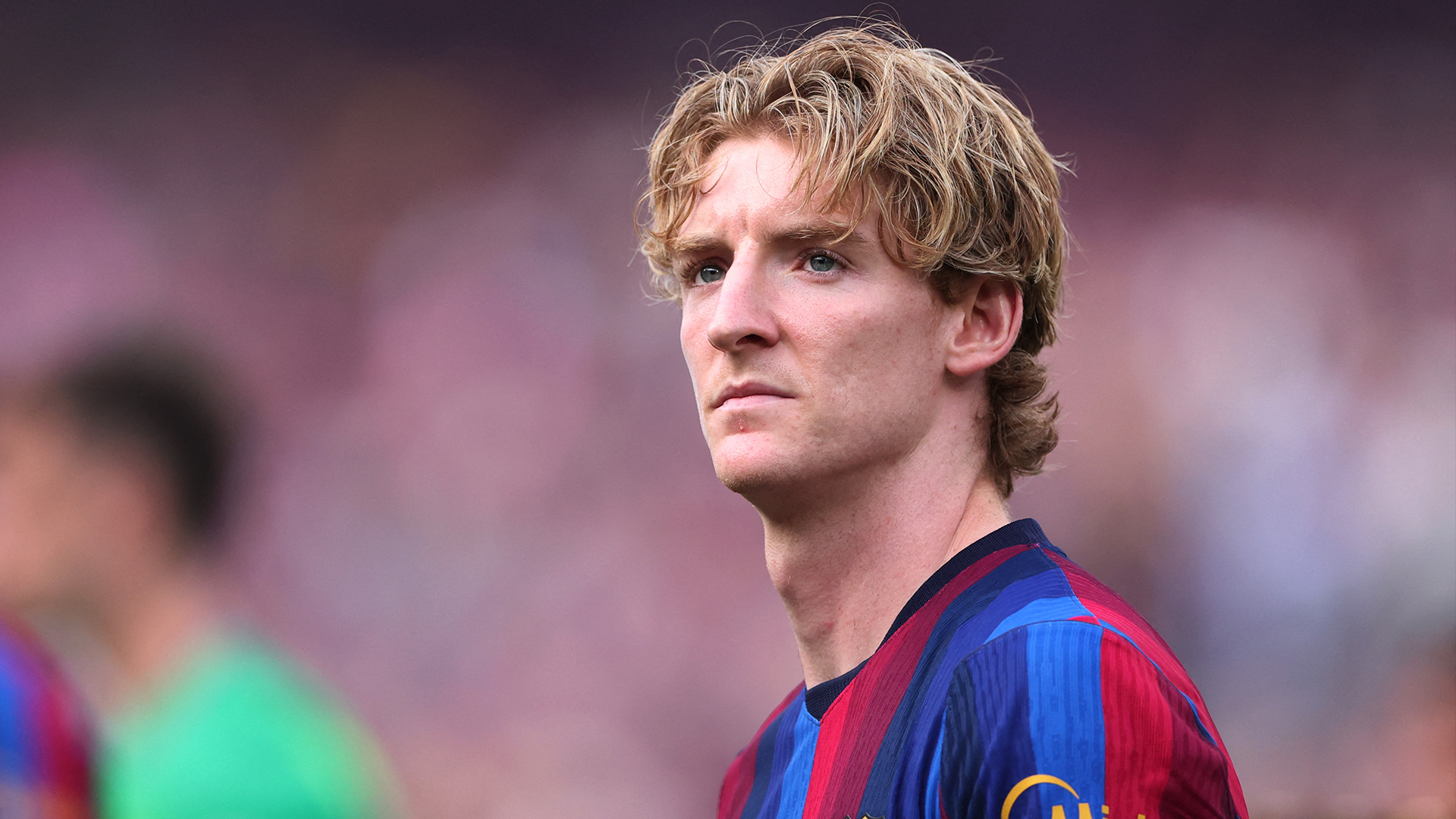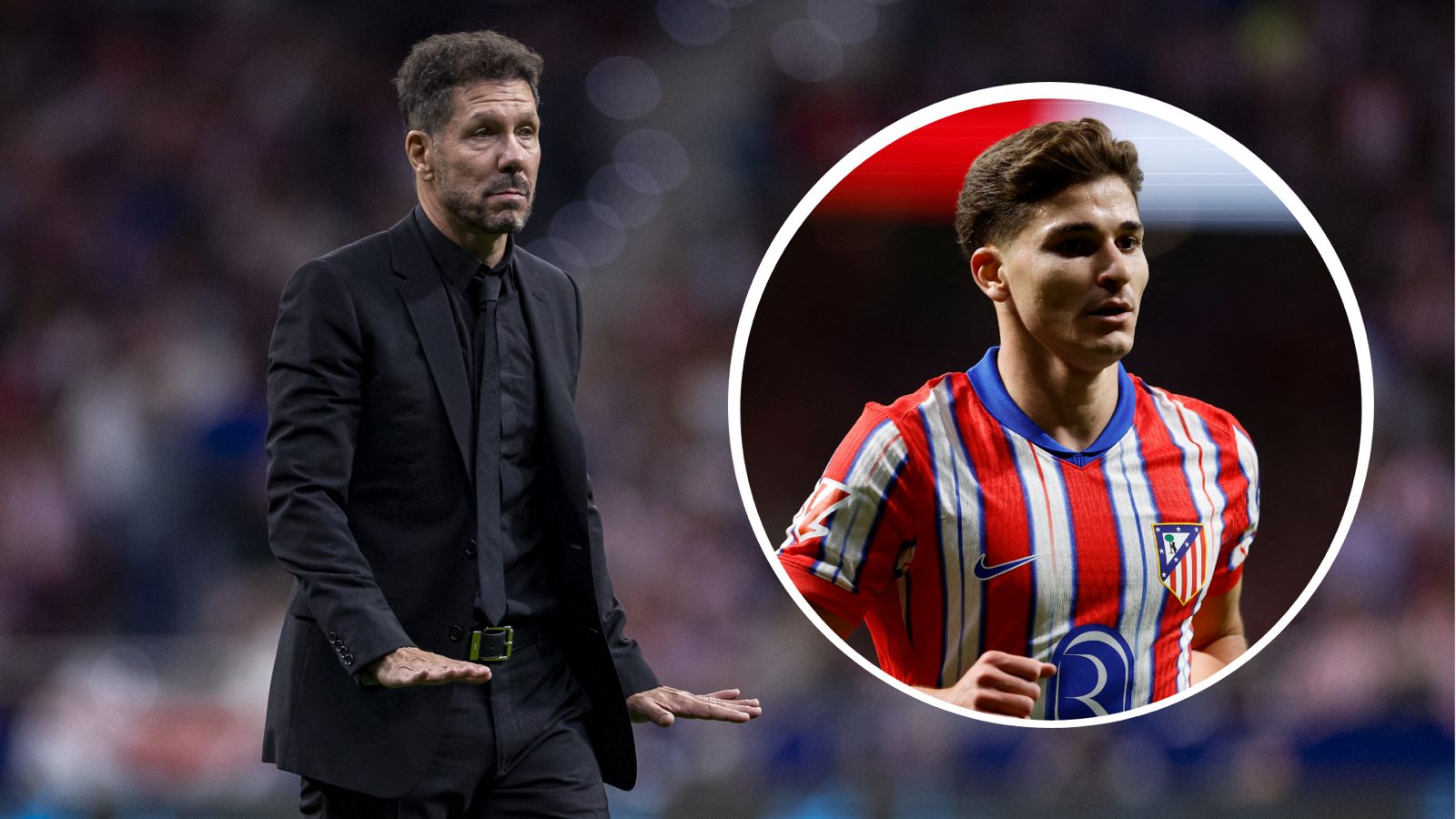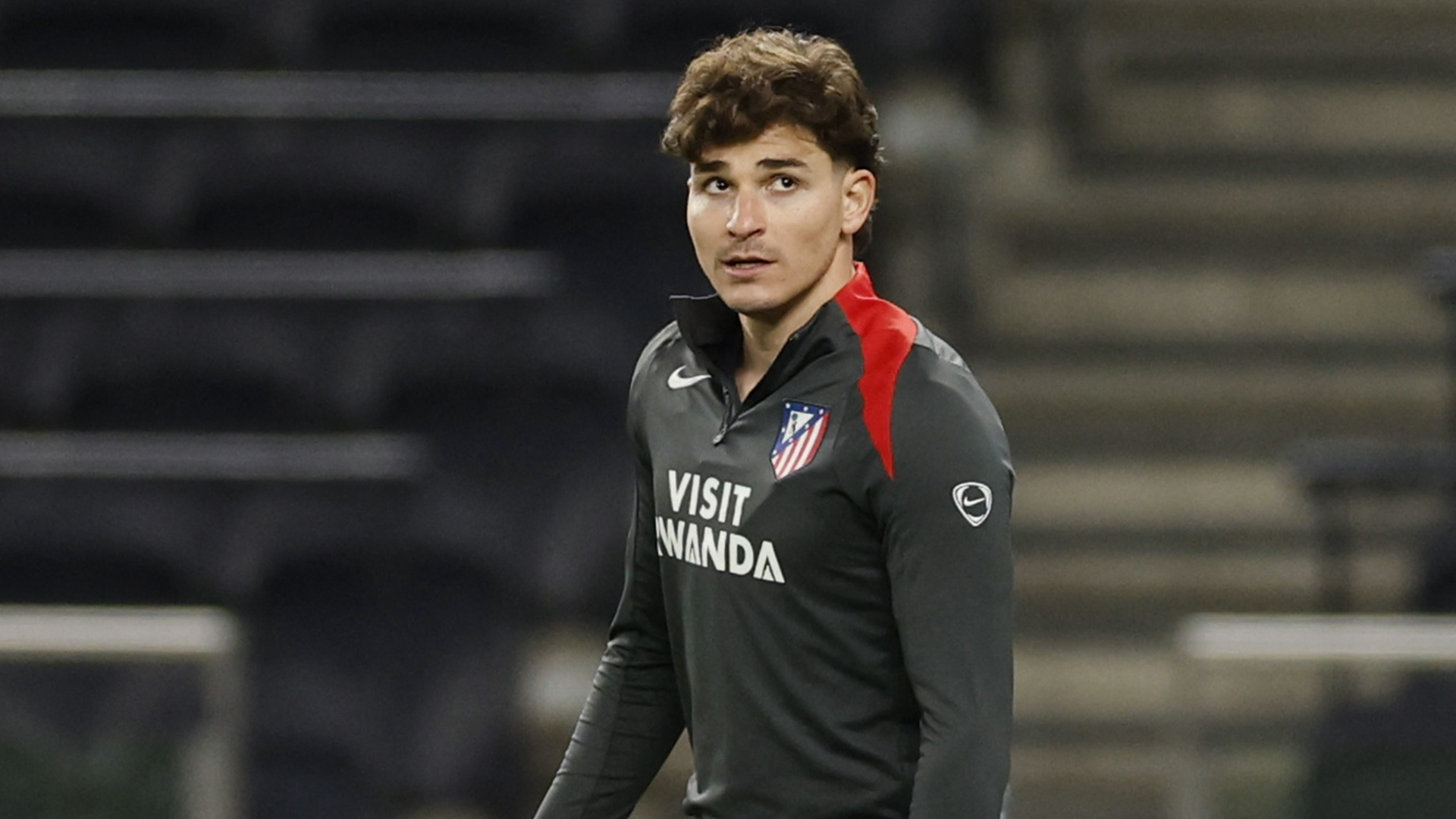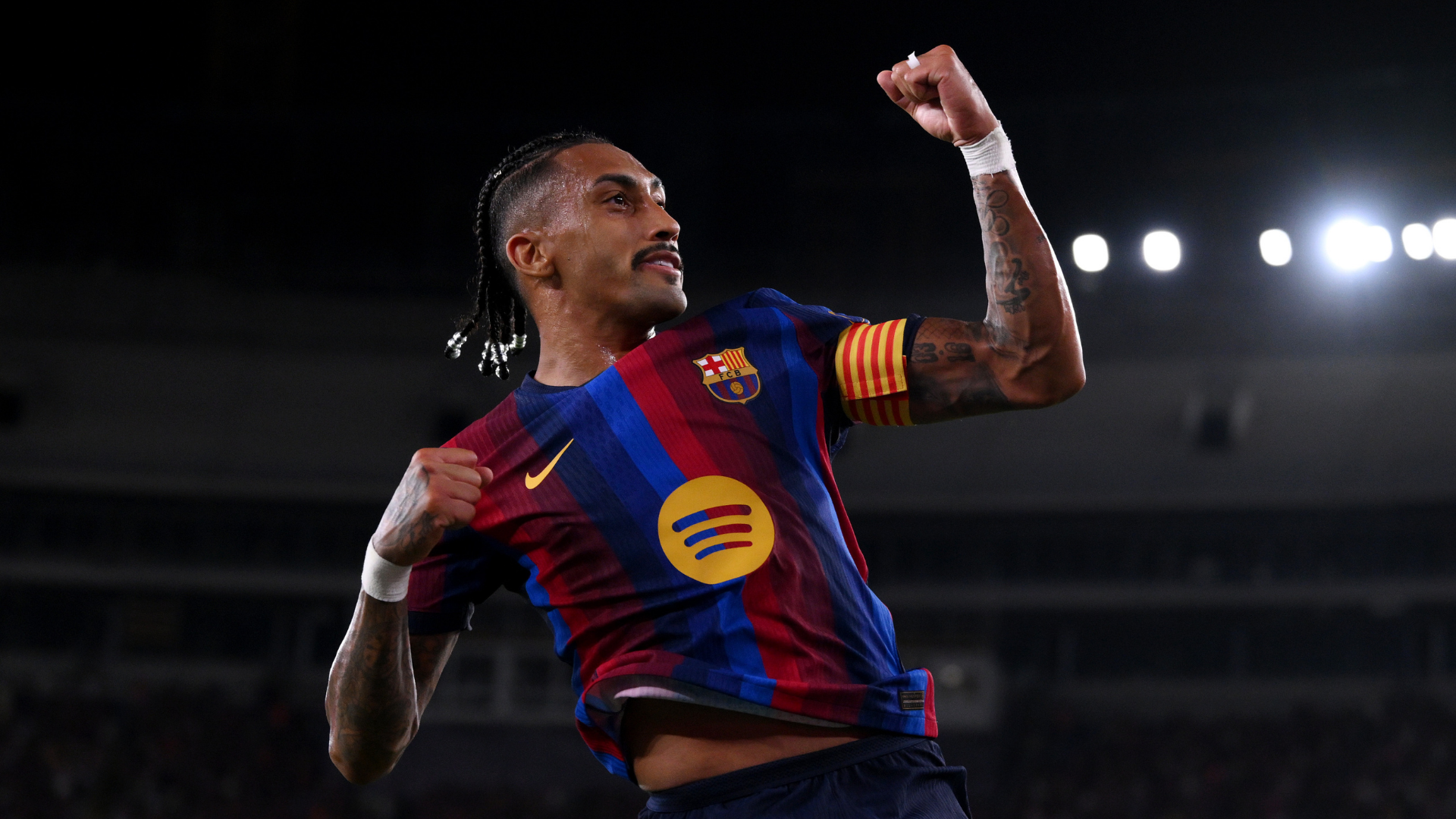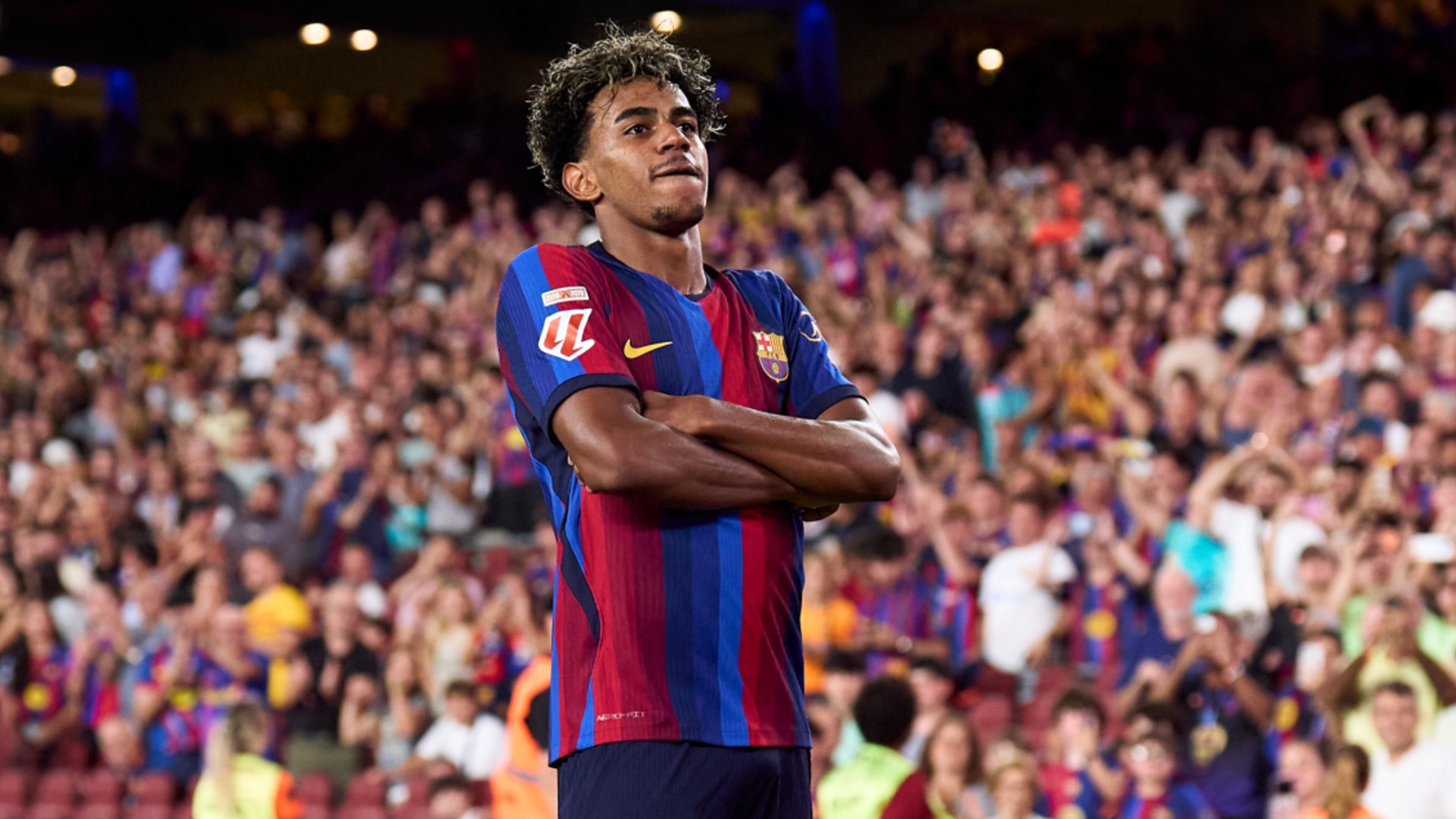

The Spanish giants completed one of their most aggressive summers in recent years, investing around €225 million and making changes across virtually every area of a squad that needed to find a new balance.
This Is the Real Madrid Mourinho Built to Win Again
The transfer window is over, and José Mourinho now knows exactly which weapons he will have at his disposal as he looks to take Real Madrid back to the top.
Six new players arrived: Yan Diomande, Marc Cucurella, Ibrahima Konaté, Denzel Dumfries, Bernardo Silva and Carlos Espí. All of them have already made their official debuts for the club. Diomande represents the biggest investment of the new project: he arrived from RB Leipzig, signed a contract through 2033 and his €125 million transfer made him the most expensive signing in Real Madrid history.
The result is a deeper squad with plenty of different options. But there are also some important questions. One stands above the rest: does Mourinho have the midfield necessary to control the biggest games in Europe?
An Attack That Could Be Terrifying
It is difficult to find a real weakness here.
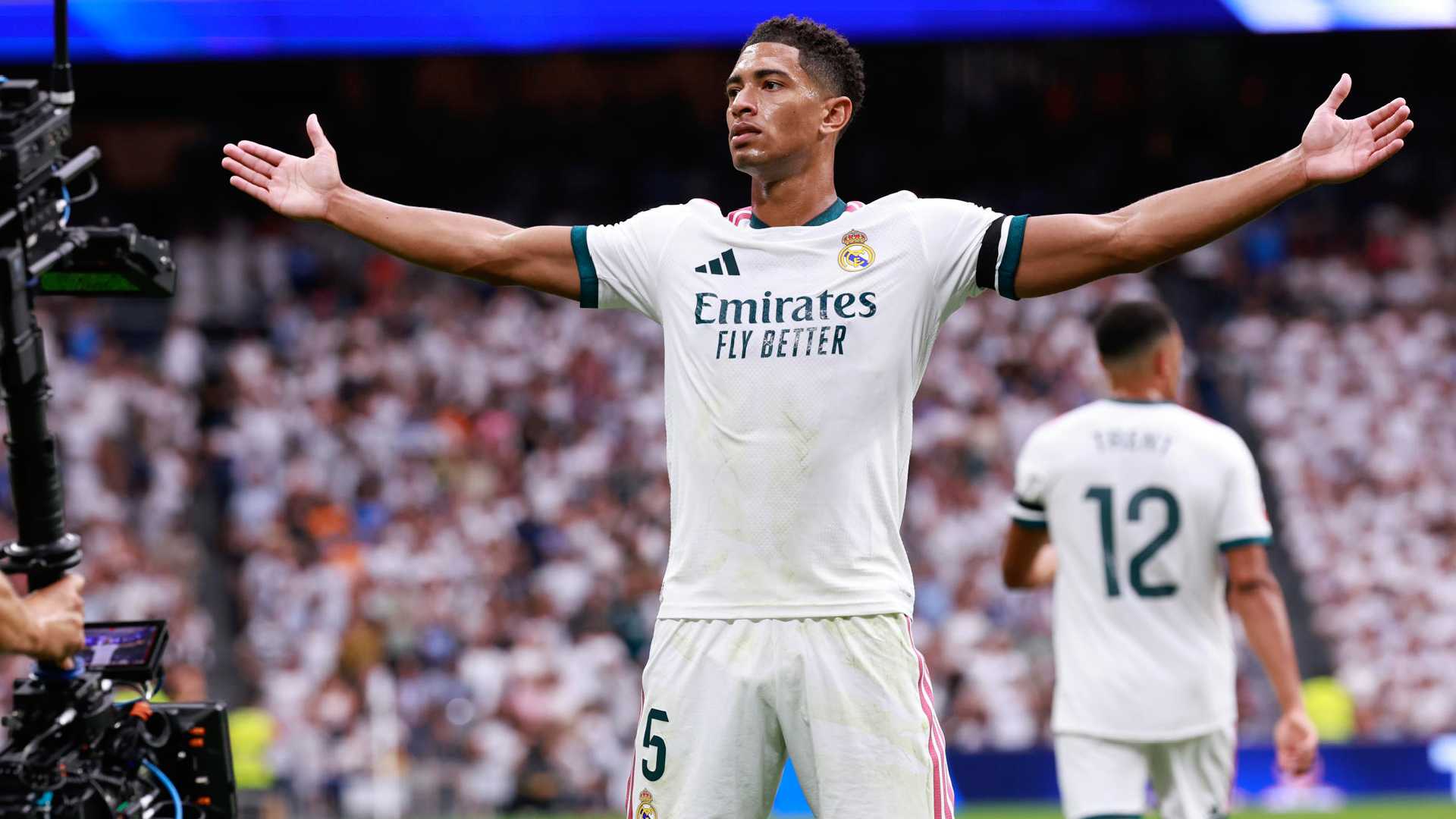
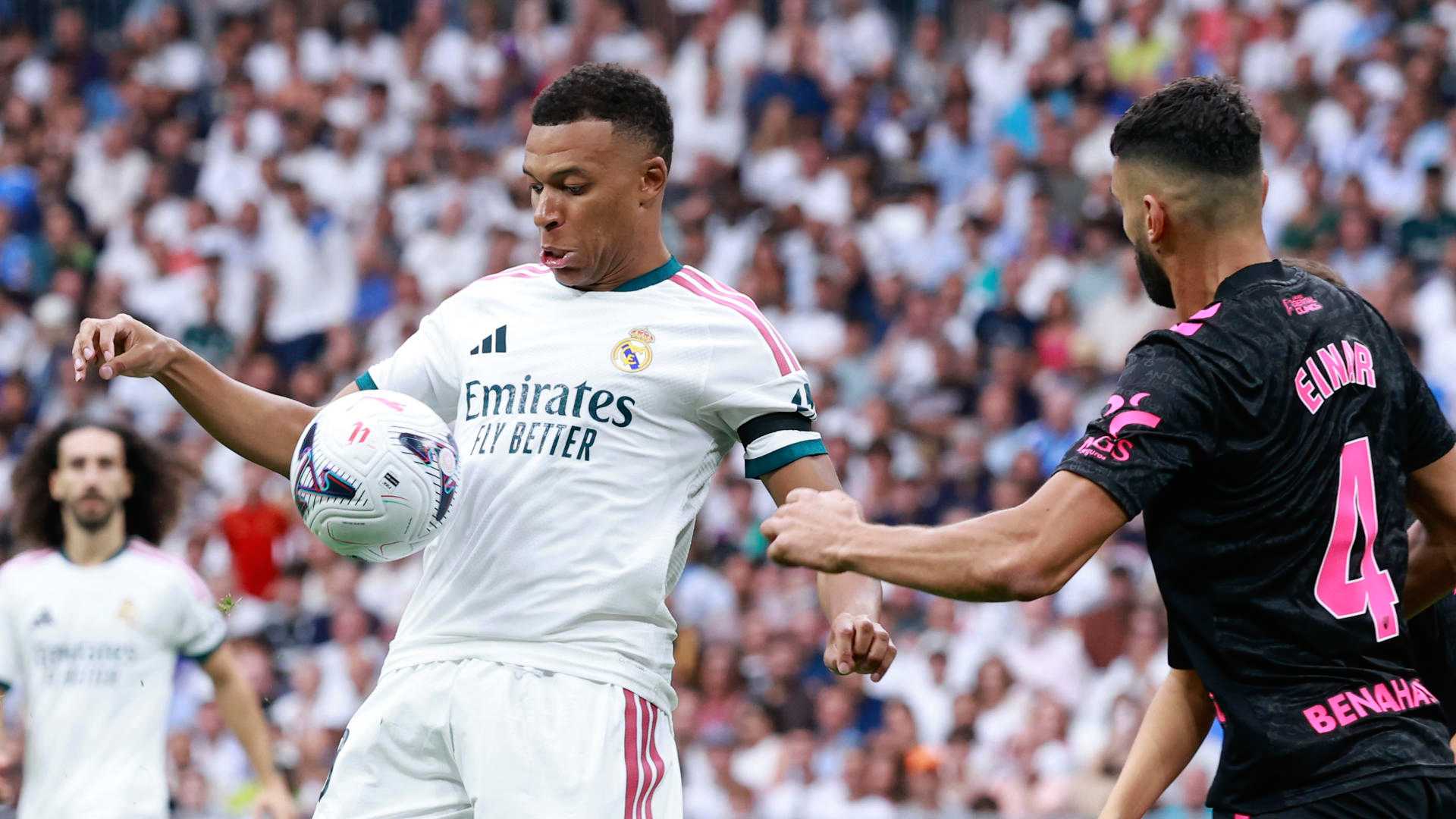
Kylian Mbappé, Vinícius Júnior and Jude Bellingham put Real Madrid in a privileged position. All three are capable of deciding a match on their own, and Mourinho is trying to find a structure that allows them to coexist without sacrificing the team’s balance.
The early signs have been positive. In the 4-0 victory over Málaga at the Santiago Bernabéu, Bellingham once again had a major influence, Mbappé scored and Vinícius provided an assist. Real Madrid ended the opening three matchdays of LaLiga with nine points and a perfect record.
But there is now even more competition.
Yan Diomande brings speed, dribbling and directness from the right. His 12 goals and nine assists for RB Leipzig last season explain much of the enormous investment made by the club. However, Mourinho is gradually introducing the Ivorian and still needs to determine exactly where he fits best within an attack that was already functioning before his arrival.
There are also Arda Güler, Brahim Díaz, Rodrygo and Endrick as alternatives.
And then there is a completely different option: Carlos Espí.
The striker gives Real Madrid something they did not previously have to the same extent. His physical presence allows the team to attack crosses, occupy center backs and change its approach when a match demands a more direct route into the penalty area. He has already shown that he can make an immediate impact, scoring a 90th-minute winner against Espanyol at the RCDE Stadium.
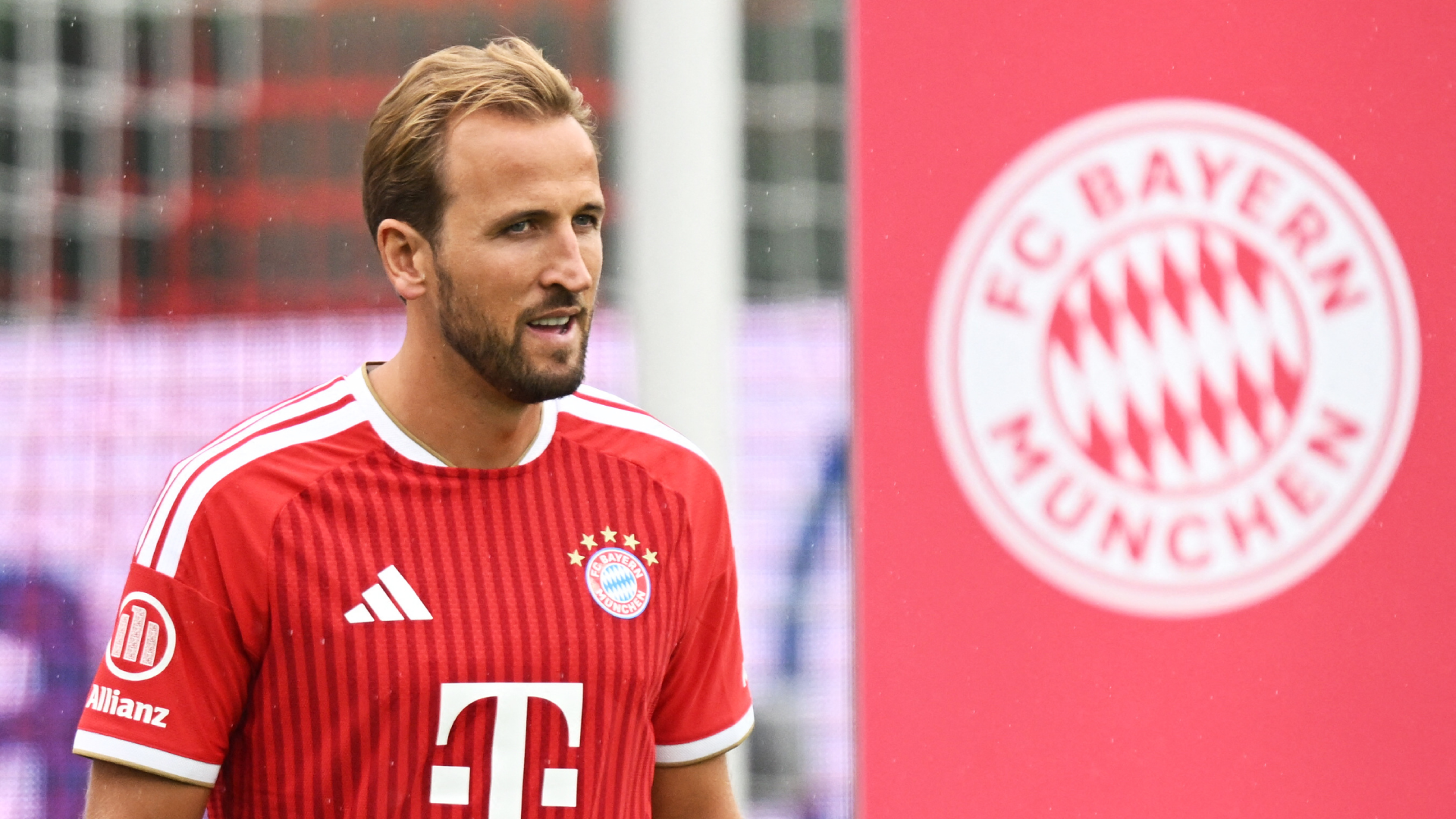
Mourinho Has Depth in Virtually Every Position
This is probably the biggest difference compared to previous seasons.
Mourinho can look to his bench and make changes without necessarily lowering the team’s competitive level.
Thibaut Courtois remains a guarantee between the posts. In defense, there are Trent Alexander-Arnold, Denzel Dumfries, Antonio Rüdiger, Dean Huijsen, Ibrahima Konaté, Éder Militão, Raúl Asencio, Marc Cucurella and Álvaro Carreras, as well as Ferland Mendy when available.
Mourinho himself has used the left-back position to explain the depth of his squad. The Portuguese coach has different profiles available for the same position, something particularly important during a season in which the demanding schedule will once again require constant rotation.
Cucurella also provides intensity, pressing and defensive aggression, characteristics that fit perfectly with the style the Portuguese coach is looking to implement.
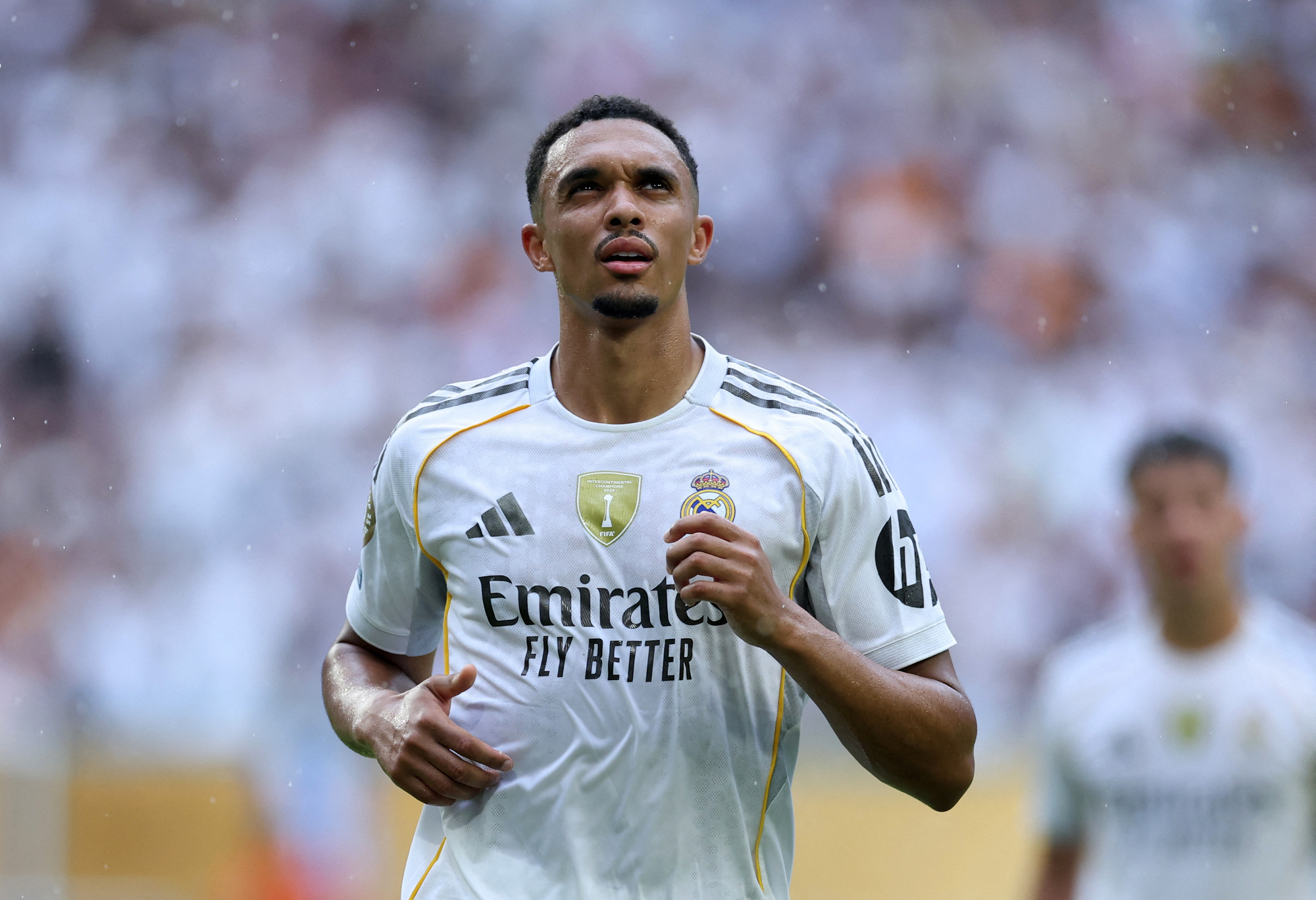
On the right, the situation is different. Trent offers an extraordinary ability to build play and find passes from deeper positions, while Dumfries represents a much more physical and direct alternative.
Depending on the opponent, Mourinho can choose completely different profiles without necessarily changing his system.
The Midfield Is Where the Questions Begin
This is probably the biggest concern.
Real Madrid have excellent midfielders. What is less clear is whether they have exactly all the profiles they need.
Federico Valverde provides energy, intensity, attacking runs and leadership. Eduardo Camavinga offers ball-carrying ability and the capacity to recover ground. Aurélien Tchouaméni is the most natural defensive midfielder in the squad. Bernardo Silva adds experience, composure and enormous technical quality, while Arda Güler can operate from a deeper position when Mourinho needs more creativity.
The problem appears when Real Madrid need to control the tempo.
Since the departure of Toni Kroos, the team has not really found another player capable of controlling a match from a deeper position with the same natural ability. It is not about finding another Kroos — that may be impossible — but about having a playmaker who can decide when to accelerate, when to slow things down and how to escape a high press.
Rodri would have solved much of that problem, but the Spain captain ultimately signed for FC Barcelona.
Now Mourinho will have to find that solution within his own squad.
A Valverde-Tchouaméni partnership can provide plenty of physicality and balance. Camavinga-Valverde increases the team’s ability to press and carry the ball forward. Bernardo can provide control, but using him too deep also means taking him away from the areas where he can do the most damage.
In LaLiga matches, Real Madrid’s enormous attacking talent will probably be enough to hide that weakness.
On the biggest nights of the UEFA Champions League, it could be a different story.
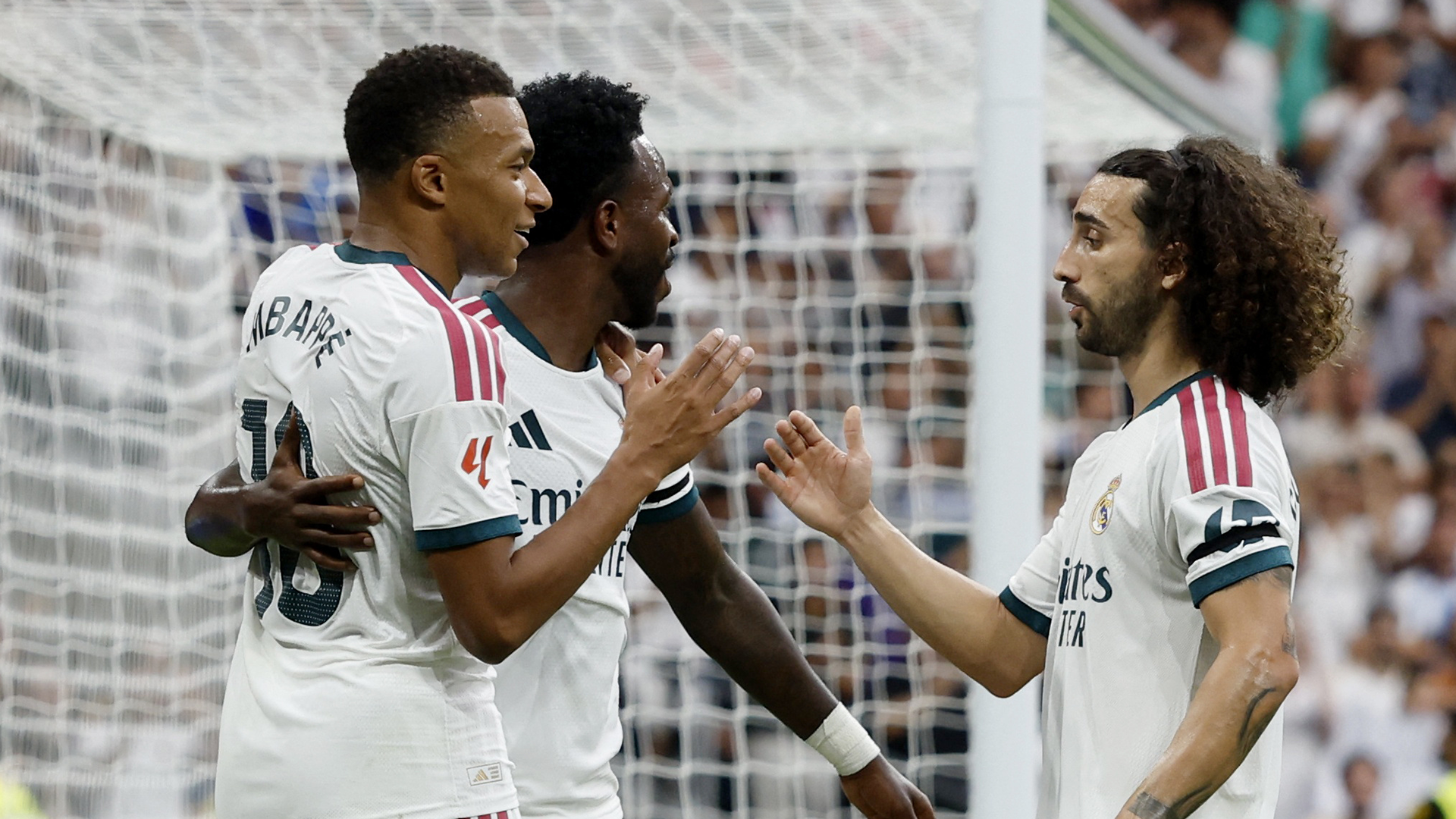
An Improved Defense That Still Has Something to Prove
Real Madrid have numbers and plenty of quality at the back.
Dean Huijsen continues to develop as a center back capable of starting attacks from deep, while Antonio Rüdiger provides experience and personality. Ibrahima Konaté adds physical power and the speed required to defend large spaces, while Éder Militão and Raúl Asencio increase the number of alternatives.
The question is not so much about the individual names, but about finding the definitive partnership.
Mourinho will have to decide who his two center backs will be for the matches that truly matter. The depth is impressive, but it remains to be seen whether one combination can develop into a dominant partnership throughout the season.
There is a similar question at right back.
Trent Alexander-Arnold can transform the team’s buildup play, but when Real Madrid face elite wingers, the space behind him could become an area opponents look to exploit. That is where Denzel Dumfries could become an extremely valuable alternative.
The Biggest Challenge Will Be Finding Balance Among So Many Stars
Mourinho has the kind of problem almost every coach would love to have: too many good players.
But it is still a problem.
Diomande cost too much to simply be considered a backup. Vinícius, Mbappé and Bellingham appear untouchable. Güler needs minutes. Bernardo Silva can still make the difference. Brahim Díaz has already been heavily involved, while Rodrygo will return to the competition for places once he is fully available.
Finding room for everyone without disrupting the collective structure will be one of the Portuguese coach’s biggest challenges.
Diomande’s early role shows that Mourinho will not hand out starting positions based on transfer fees. Against Málaga, the Ivorian started on the bench as the coach maintained a structure featuring Bellingham, Brahim, Vinícius and Mbappé.
That could ultimately become a strength.
The internal competition will be enormous, and Mourinho will have enough options on the bench to completely change the direction of a match.
Are Real Madrid Favorites to Win Everything?
On paper, they certainly have the arguments.
Real Madrid have one of the most dangerous attacks in Europe, arguably their deepest squad in several seasons and one of the best goalkeepers in the world. They have also added youth through Diomande and Espí, players in their prime such as Cucurella, Konaté and Dumfries, and winning experience with Bernardo Silva.
The main question remains in midfield.
If Mourinho can find a formula that allows Real Madrid to control matches without sacrificing the freedom of Bellingham, Vinícius and Mbappé, this team has virtually everything it needs to compete for LaLiga and the UEFA Champions League.
If he cannot, opponents capable of pressing high and controlling possession may discover that this is precisely where the project can be exposed.
The transfer window is over. The €225 million has been invested, and Mourinho now has his definitive squad in his hands.
Now comes the part that really matters: turning an extraordinary collection of players into a great team.

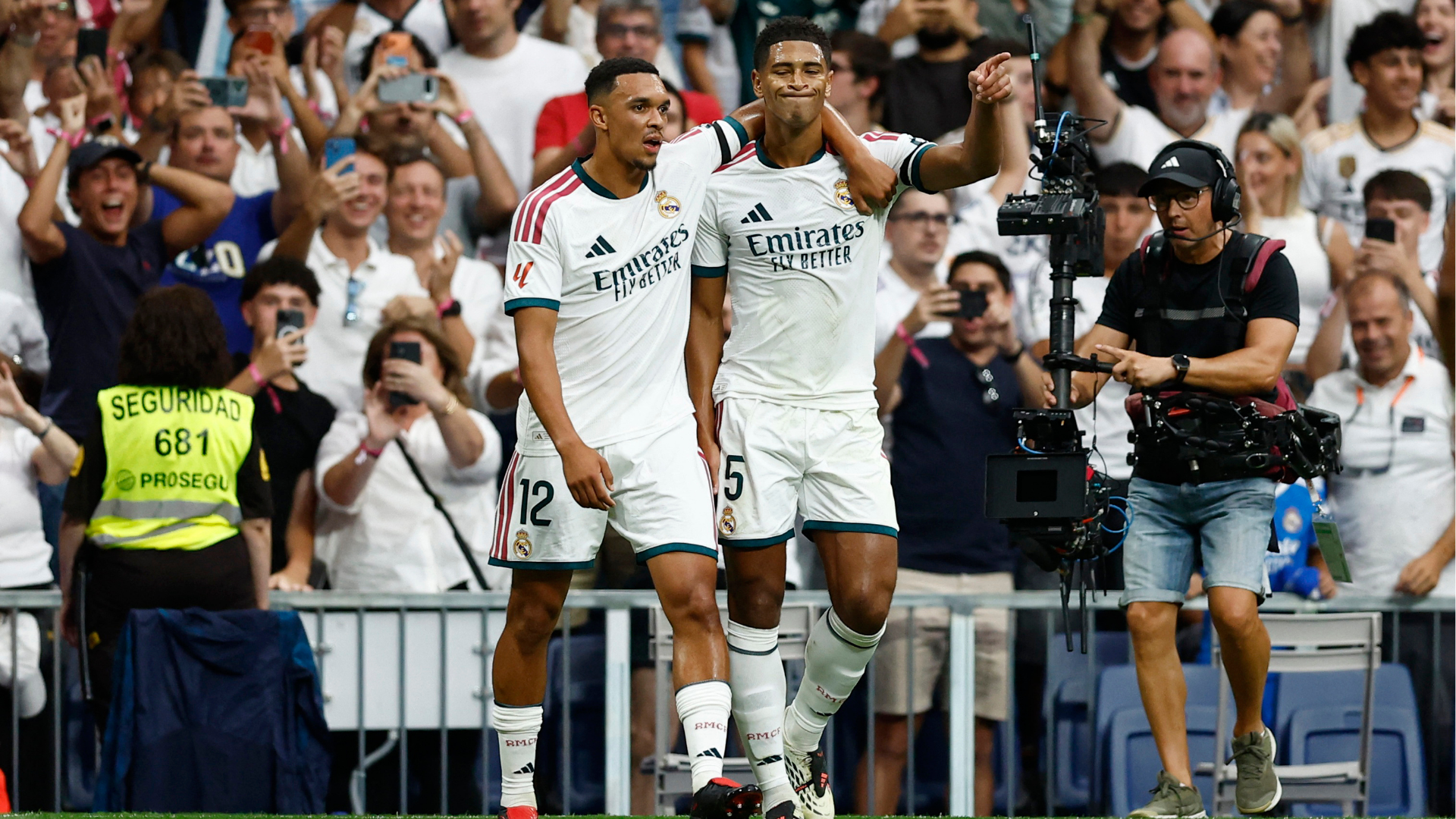



José Mário dos Santos Mourinho Félix
Real Madrid CF