
Making it as a professional soccer player is already one of the hardest achievements in sports. Seeing two brothers reach that level at the same time is even rarer. But at the 2026 FIFA World Cup, several families will experience exactly that.
Family rivalries will take center stage at the 2026 World Cup
Some brothers will chase the same dream together in 2026 — others could end up standing on opposite sides of the pitch.

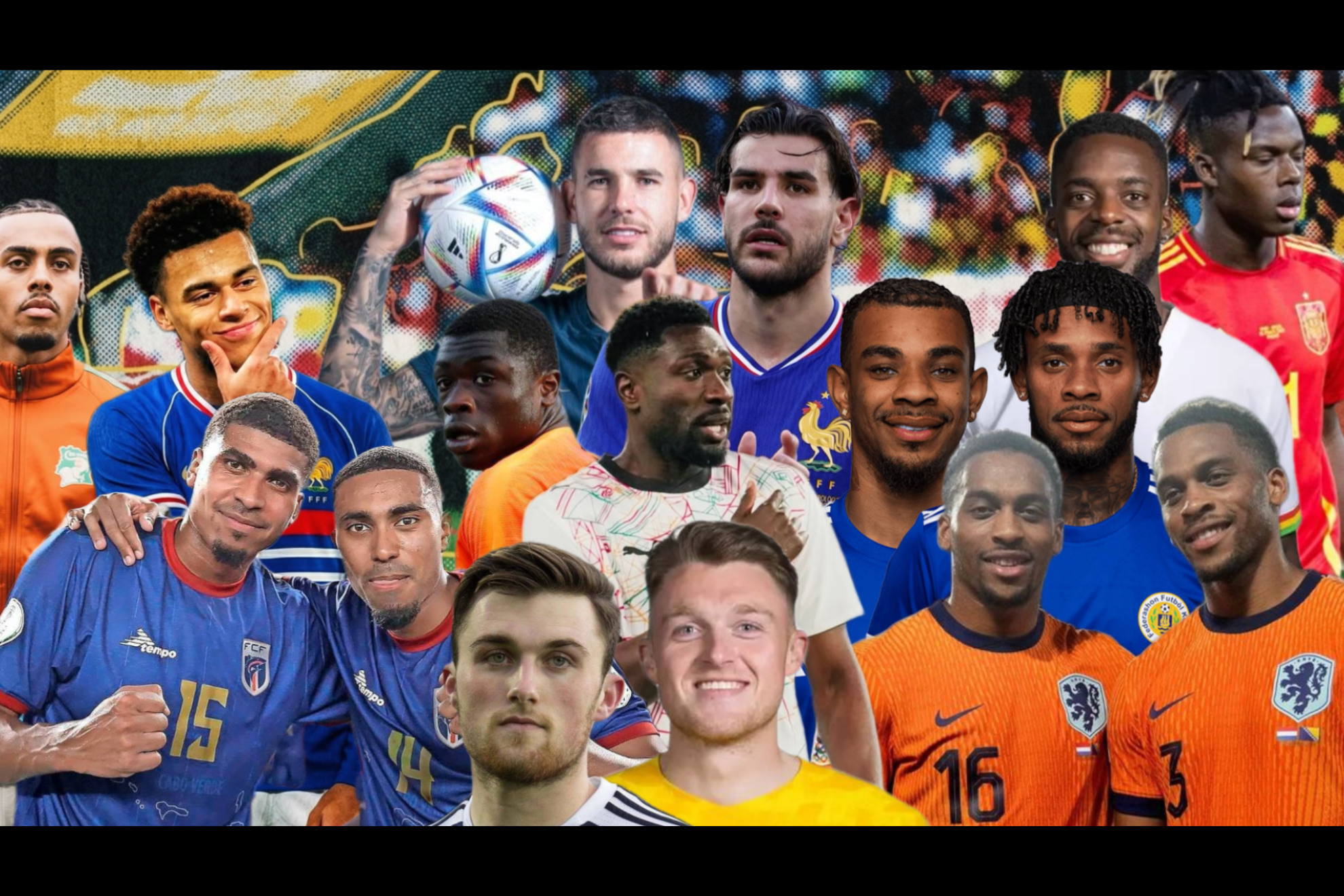
The tournament is expected to feature eight sibling duos representing their nations on the biggest stage in football. For some, the dream will be shared under the same flag. For others, the World Cup could turn into a family rivalry.
Statistics show that only 0.05% of registered soccer players around the world become professionals. That makes it even more remarkable when two members of the same family manage to build careers strong enough to reach a World Cup roster.
Brothers chasing the same goal
France will once again have the Hernández brothers in the squad. Lucas and Théo Hernández are among the most recognized sibling pairings in international football. Both could feature in defense for France, although neither is currently expected to start regularly.
The Netherlands also has its own duo with Quinten and Jurriën Timber. Quinten continues to fight for a bigger role in the national team setup, while Jurriën has already become one of the more established names for the Oranje.
Cape Verde arrives with Laros Duarte and Deroy Duarte. Laros plays for Puskás Akadémia, while Deroy, who plays for Ludogorets, is expected to hold a more important role in midfield during the tournament.
Curacao will also travel with brothers Leandro and Juninho Bacuna. Leandro enters the competition as one of the leaders of the squad and its captain, while Juninho brings additional experience in midfield.
When the family splits between nations
The most interesting cases come from brothers who chose to represent different countries internationally. In some situations, the decision came from opportunity. In others, it reflected personal identity, family roots, or career paths.
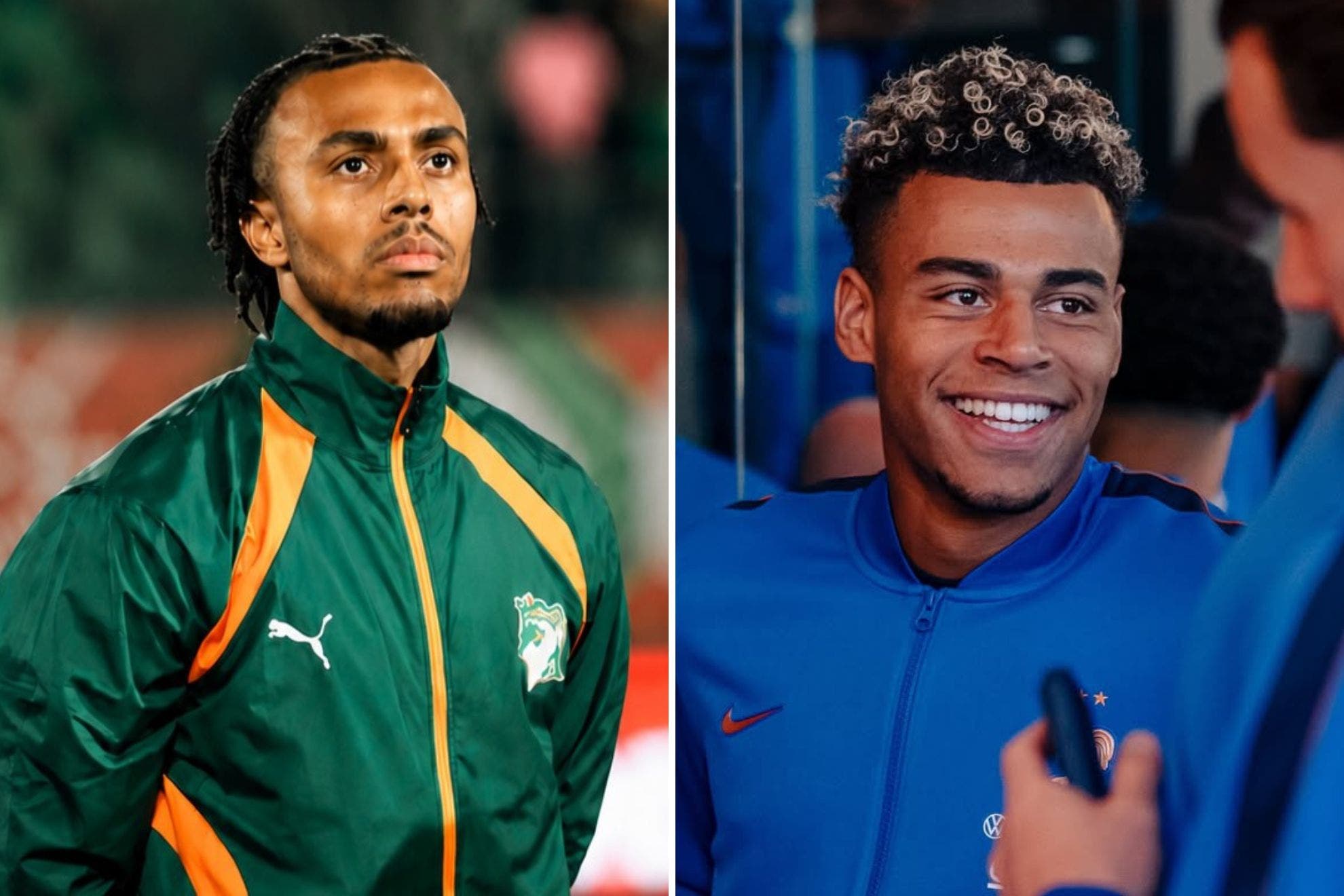
One of the most talked-about examples involves the Doué brothers. Guéla Doué represents Ivory Coast and has already built solid experience with the national team, while his younger brother Désiré Doué has become one of France’s emerging stars after breaking through at PSG.
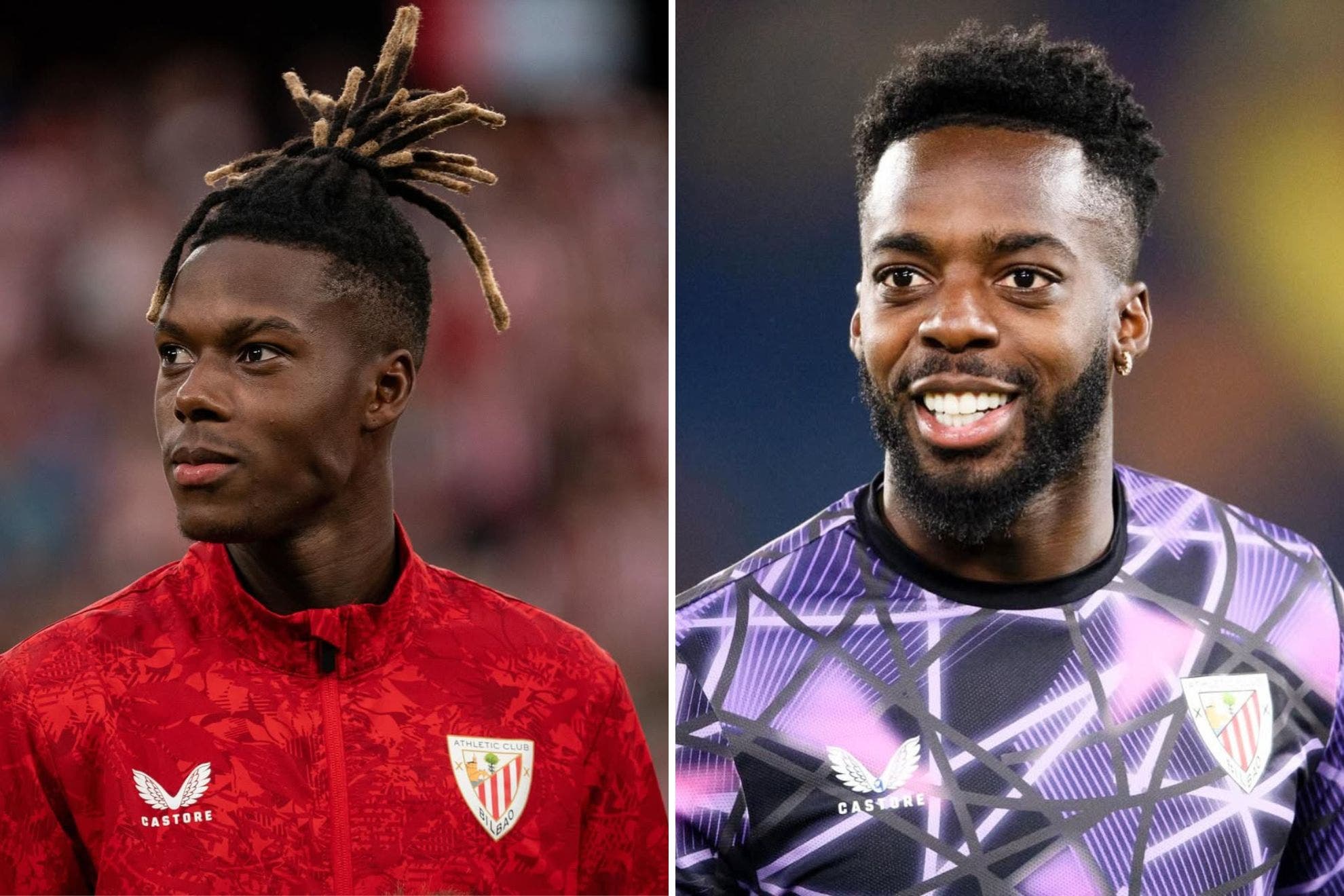
The Williams brothers remain the highest-profile split at the World Cup. Both play for Athletic Club, but their international careers took different directions. Iñaki Williams chose to represent Ghana, the country his parents migrated from, while Nico Williams became one of Spain’s key players and helped the nation win Euro 2024.
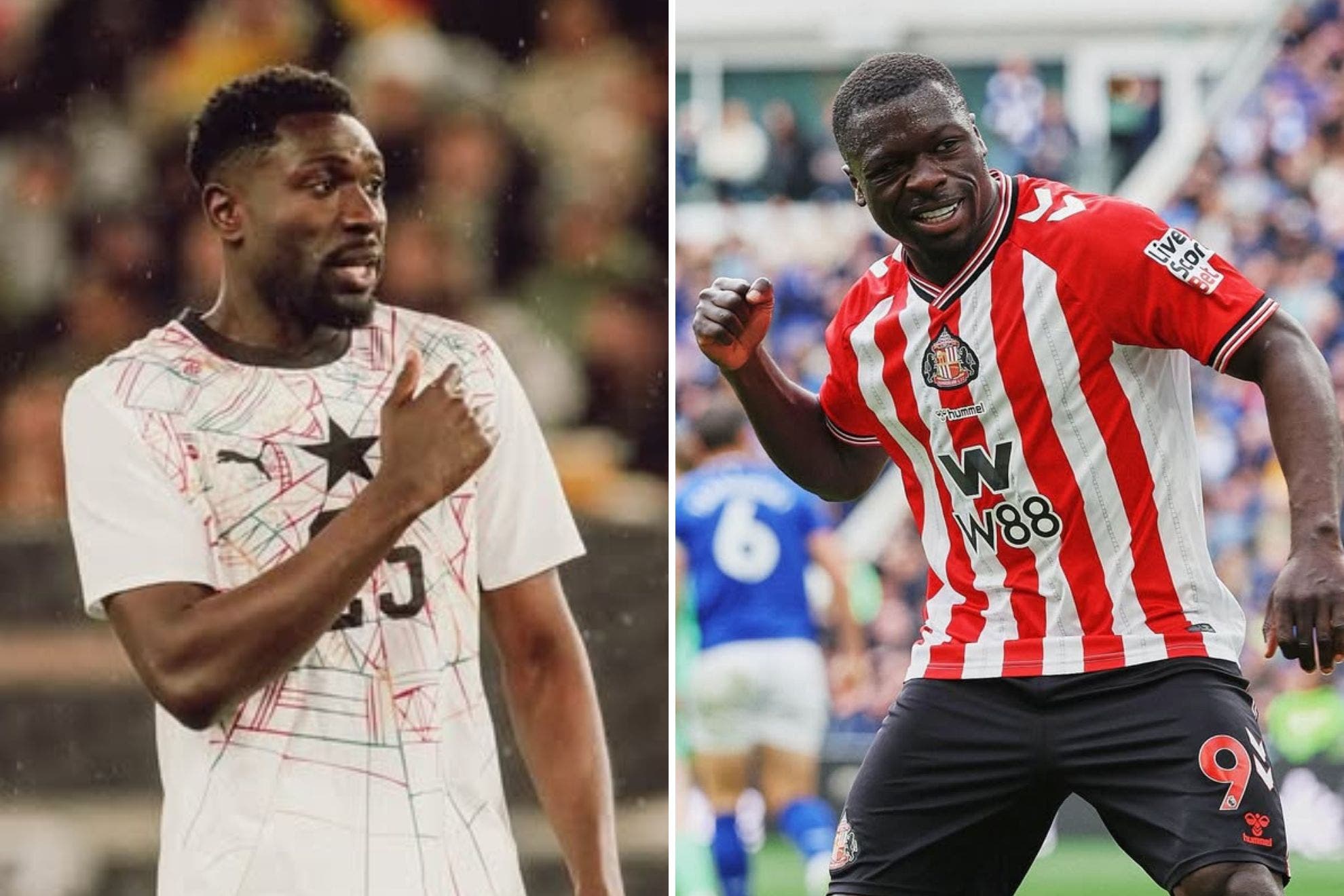
Another split-nationality pairing includes Ghana defender Derrick Luckassen and Dutch striker Brian Brobbey. Luckassen currently plays for Pafos, while Brobbey continues his international career with the Netherlands after establishing himself in English football.
The Souttar brothers complete the list. John Souttar represents Scotland and plays for Rangers, while Harry Souttar became an important piece of Australia’s defense and one of the regular faces of the Socceroos in major tournaments.
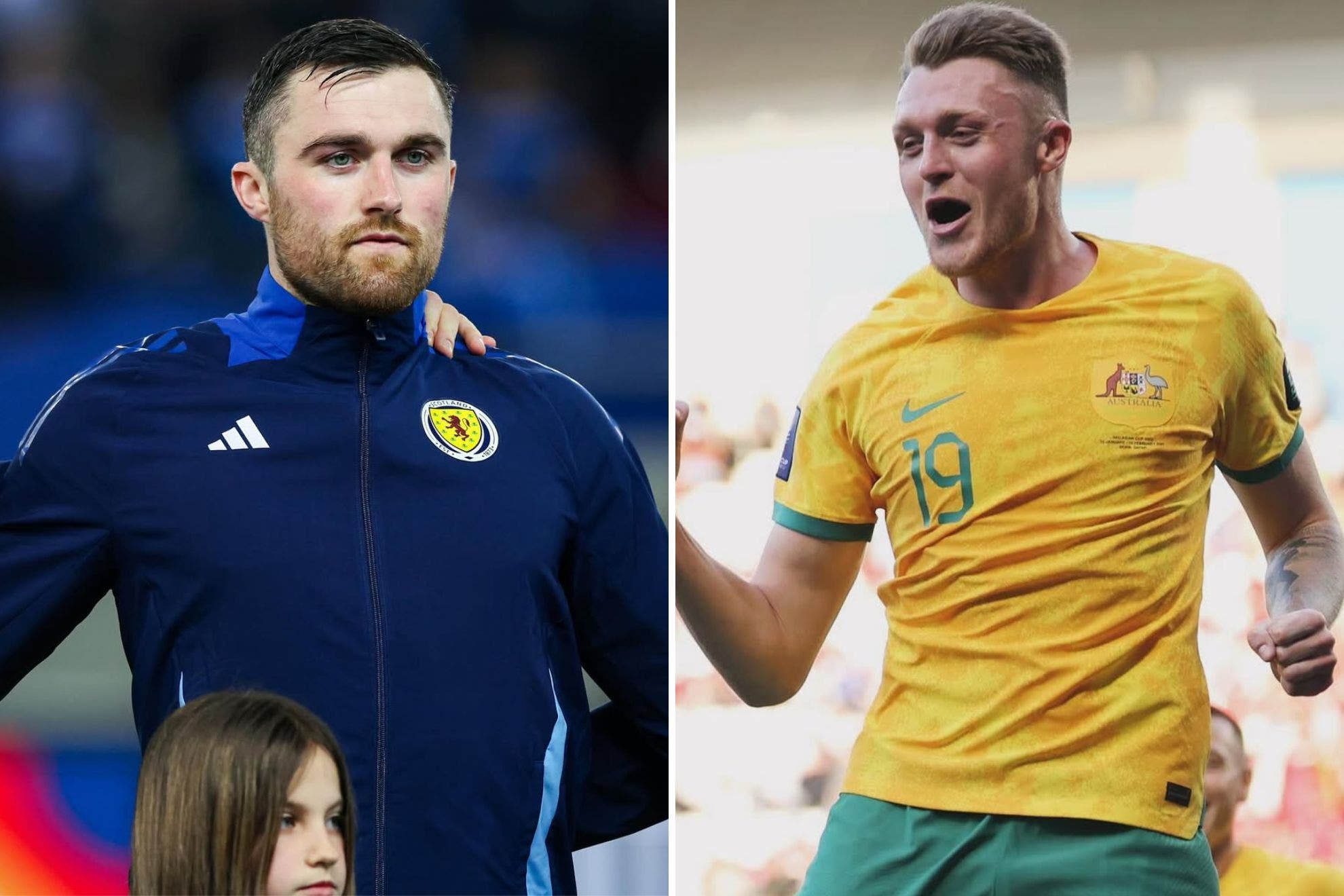
In a globalized era of football, stories like these are becoming more common. Different national eligibility rules, family backgrounds, and career opportunities often shape international decisions. Still, the possibility of brothers facing each other at the World Cup adds another layer to the tournament.
For these families, the emotions will likely be divided. Once the matches begin, though, every player will defend the nation and shirt they chose to represent.