
There are many people in the United States who believe the Super Bowl is the most-watched sporting event in the world. The reality is different. American football has gained millions of new fans in recent years, its popularity continues to grow, and the event itself has become one of the biggest celebrations in sports.
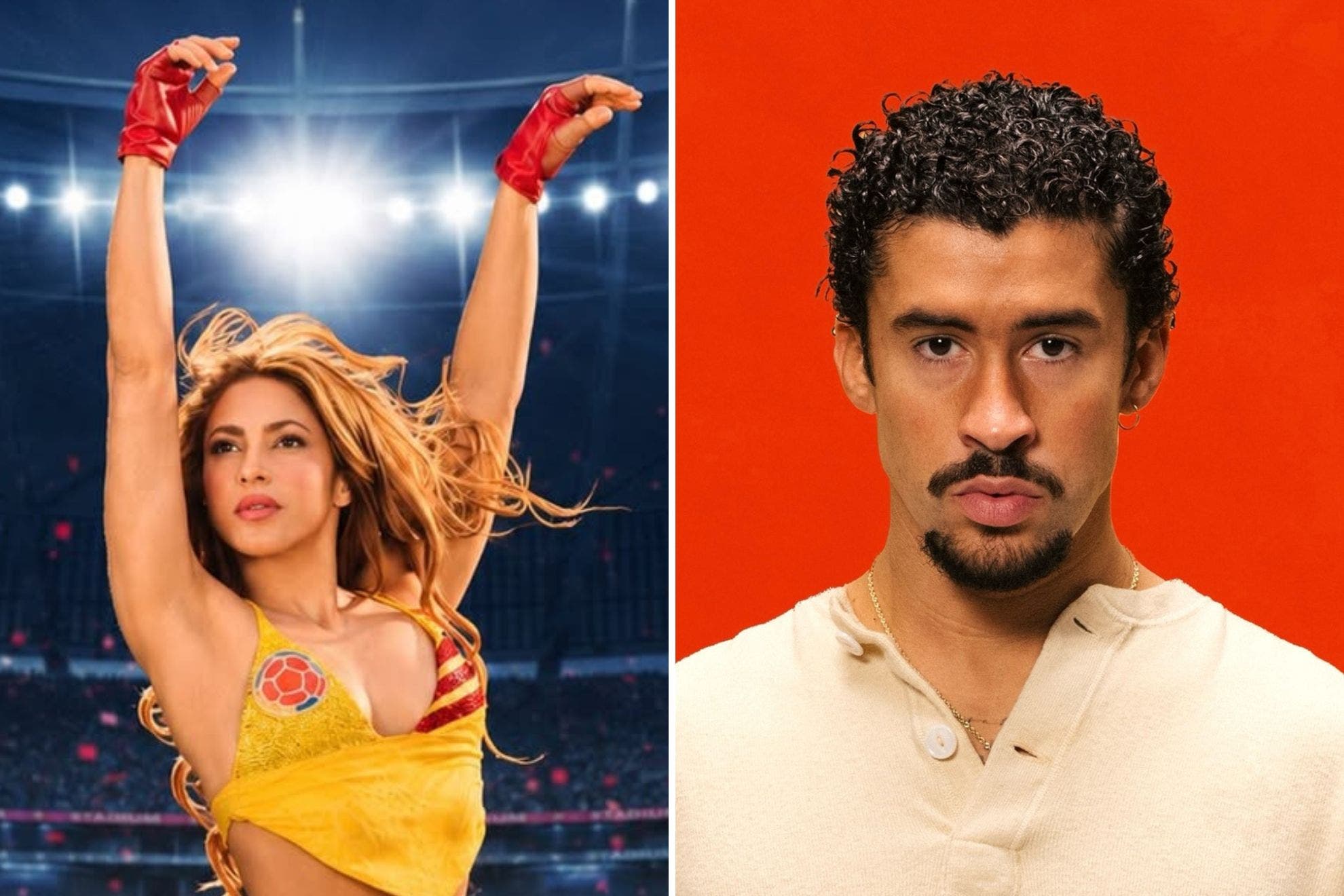
Shakira leaves Bad Bunny in the dust with a cherry-on-top World Cup ceremony
The numbers tell the story. The World Cup remains in a league of its own when it comes to global reach

Halftime shows have played a major role in that growth. Bringing in some of the biggest artists in entertainment has helped the NFL reach new audiences and expand beyond its traditional fan base. It has been a successful strategy, especially as the league looks to attract viewers outside its core market.
A global game, a global audience
Still, it is difficult to argue that the Super Bowl is bigger than the FIFA World Cup on a global scale. The math is simple. American football is played primarily in the United States, while football is played in virtually every corner of the world, with professional leagues and major competitions spread across every continent.
That disparity reflects football's unmatched global appeal. While the Super Bowl dominates television ratings in the United States, the FIFA World Cup captures the attention of fans across Africa, Europe, Asia, South and Latin America, Oceania and the Middle East, making it a truly worldwide spectacle.
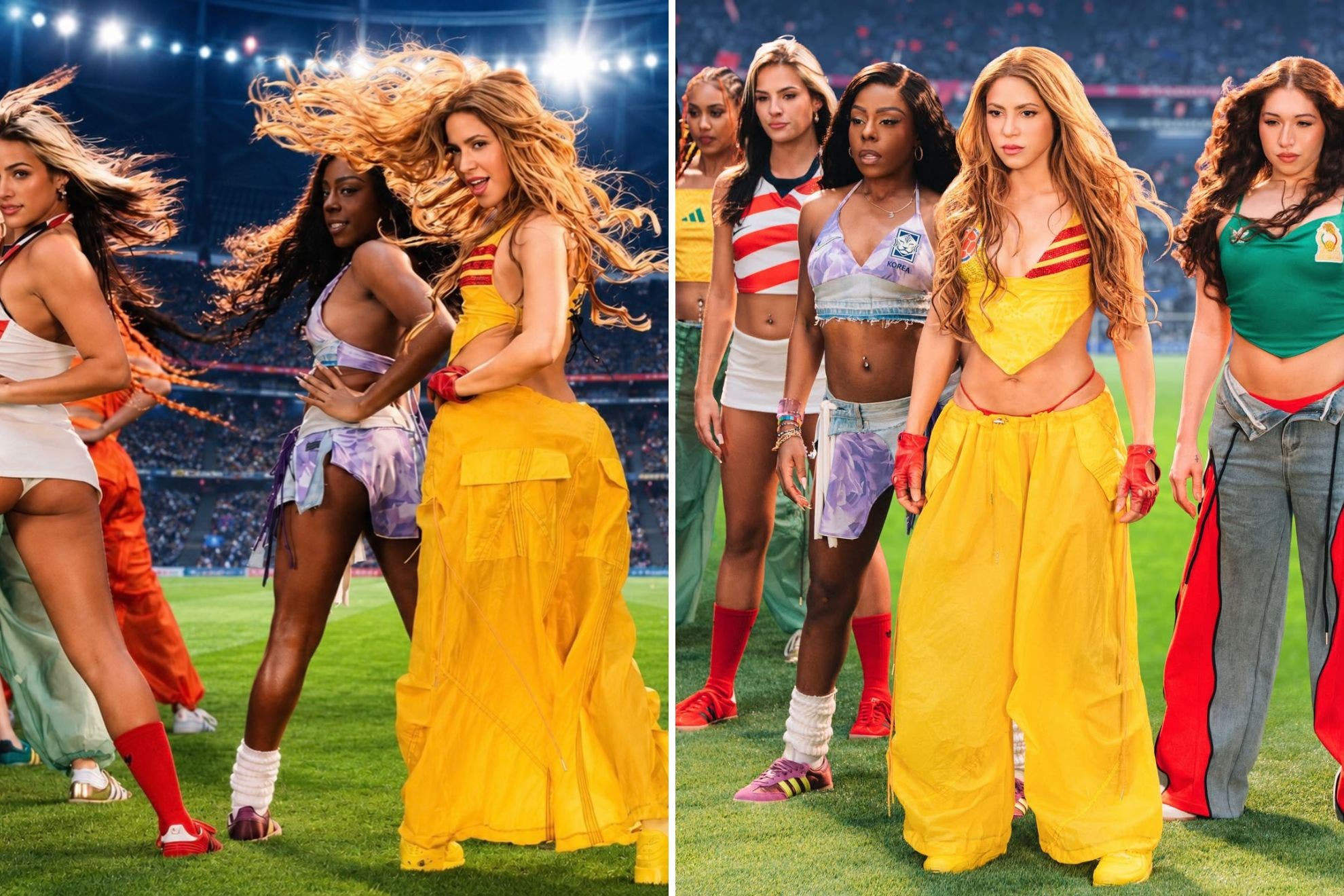
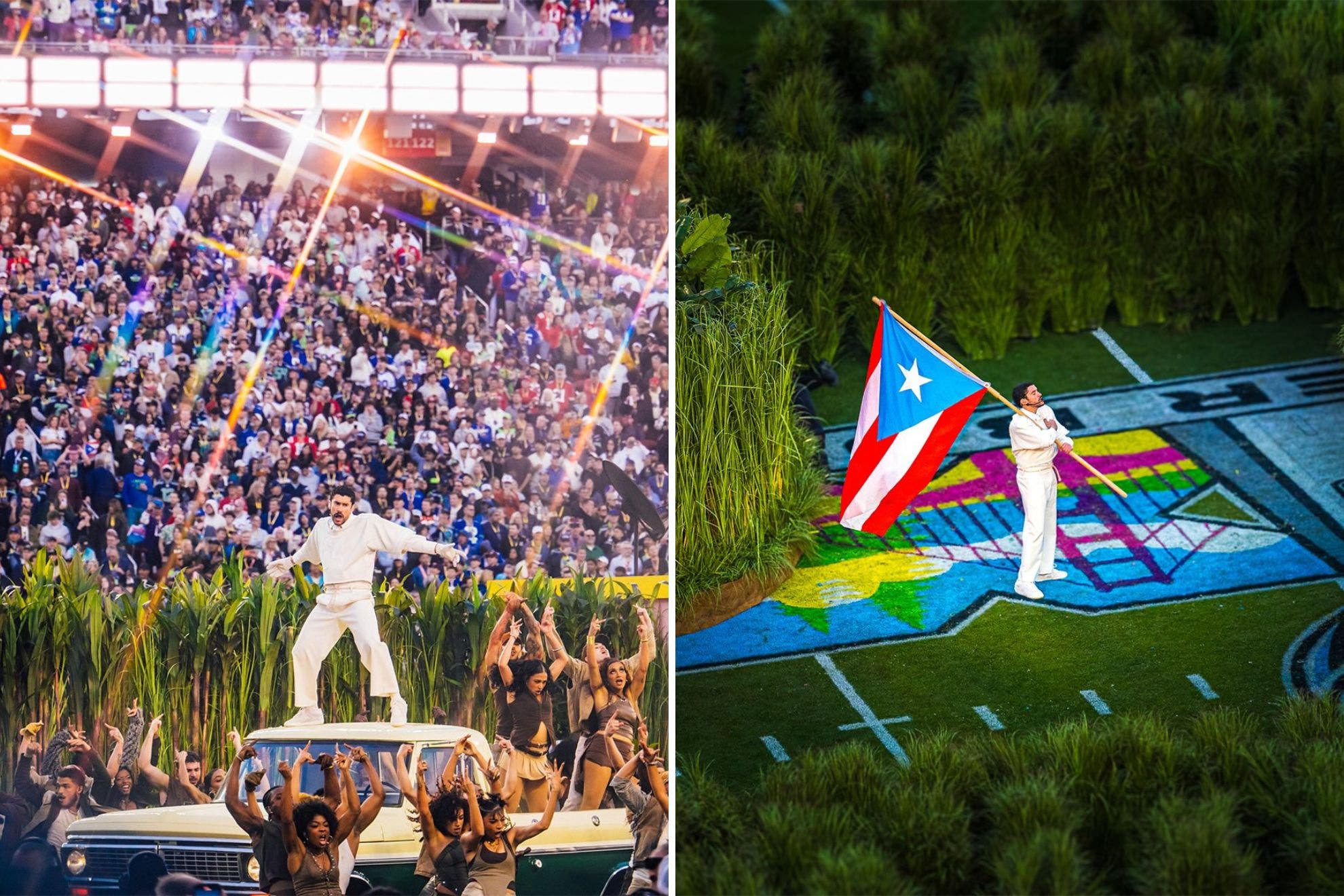
Artists can move from one stage to another, and while Bad Bunny delivered a hugely successful Super Bowl halftime performance that connected with English-speaking audiences and brought more Latino viewers to the screen, what unfolded during the 2026 World Cup opening ceremony in Mexico made the difference in scale impossible to ignore.
More than a match
Shakira has become closely linked with the World Cup over the years, though she is no stranger to the Super Bowl stage either. What makes World Cup opening ceremonies unique is that time zones, language barriers and even the teams involved become secondary. For a few hours, the world's attention is fixed on a single event.
Part of that attraction comes from the elaborate opening ceremony before the first match. FIFA has long combined sport, music and culture to create a global showcase watched by billions. The event also serves as an introduction to the host nation—or in this case, three host nations—welcoming the world and sharing part of their identity with a global audience.
The objective behind Bad Bunny's appearance was also rooted in a broader message. It focused on unity among Latin American nations and making a statement in response to the current political climate in the United States. In many ways, both events pursued a similar goal through different approaches and different platforms.
The numbers tell the story
There is little doubt that football operates on another level globally. Beyond the game itself, opening ceremonies have evolved into major entertainment productions that often rival the Super Bowl halftime show in scale and star power. They give host countries a chance to showcase their culture while offering performers access to one of the largest television audiences in history.
Football is also learning from American sports entertainment. This year, the World Cup final will feature a halftime show, a move that reflects FIFA's understanding of the modern entertainment market. It is an opportunity to give fans in the stadium and those watching at home something extra during the break. Holding the tournament in the United States also makes that kind of production easier to execute.
This year, the numbers backed up that reality. The World Cup opening match between Mexico and South Africa attracted more than 1.42 billion viewers worldwide, compared to the Super Bowl's 125.5 million viewers. Football's global reach remains unmatched.
The combination of sport, music, culture and national pride turns the World Cup opener into far more than a football match. It becomes a global celebration and once again it shows which event commands the world's attention.