
FIFA has defended the interpretation applied during the 2026 FIFA World Cup regarding cases of mistaken identity, insisting that the VAR acted correctly when intervening to identify the proper player after the International Football Association Board (IFAB) issued a circular clarifying the protocol.
FIFA defends VAR decisions at the 2026 World Cup amid identity mistake debate
FIFA has defended the interpretation applied during the 2026 FIFA World Cup regarding cases of mistaken identity, insisting that the VAR acted correctly when intervening to identify the proper player after the International Football Association Board (IFAB) issued a circular clarifying the protocol.
The governing body said the interpretation was applied consistently throughout the tournament and rejected suggestions that the referees or the VAR made mistakes in those incidents.
What did FIFA say about VAR?
A FIFA spokesperson explained that there were two cases during the World Cup in which the wrong player was initially identified as committing an offense worthy of a yellow card.
In both situations, the VAR advised the referee to correct the factual error caused by an opponent's simulation.
FIFA also argued that simulation itself should not result in disciplinary consequences for a player who did not commit the offense, particularly if it could lead to a second yellow card or a suspension for accumulated bookings.
"We do not consider this to have been a refereeing or VAR error, and the decision restored justice," FIFA said.
What does IFAB's clarification say?
In Circular 34, IFAB clarified that VAR may intervene when the wrong player has been cautioned, but it cannot review or change the offense that led to the yellow card itself.
The organization stated that a yellow card which is not a second caution may only be reviewed to confirm the identity of the player who committed the offense.
Meanwhile, Circular 32 expands VAR review to include second-yellow red cards shown due to a clear error and mistaken identity when another player committed the offense.
The Argentina vs. Switzerland incident
One of the examples cited occurred during the World Cup quarterfinal between Argentina and Switzerland, which Argentina won in extra time to reach the semifinals.
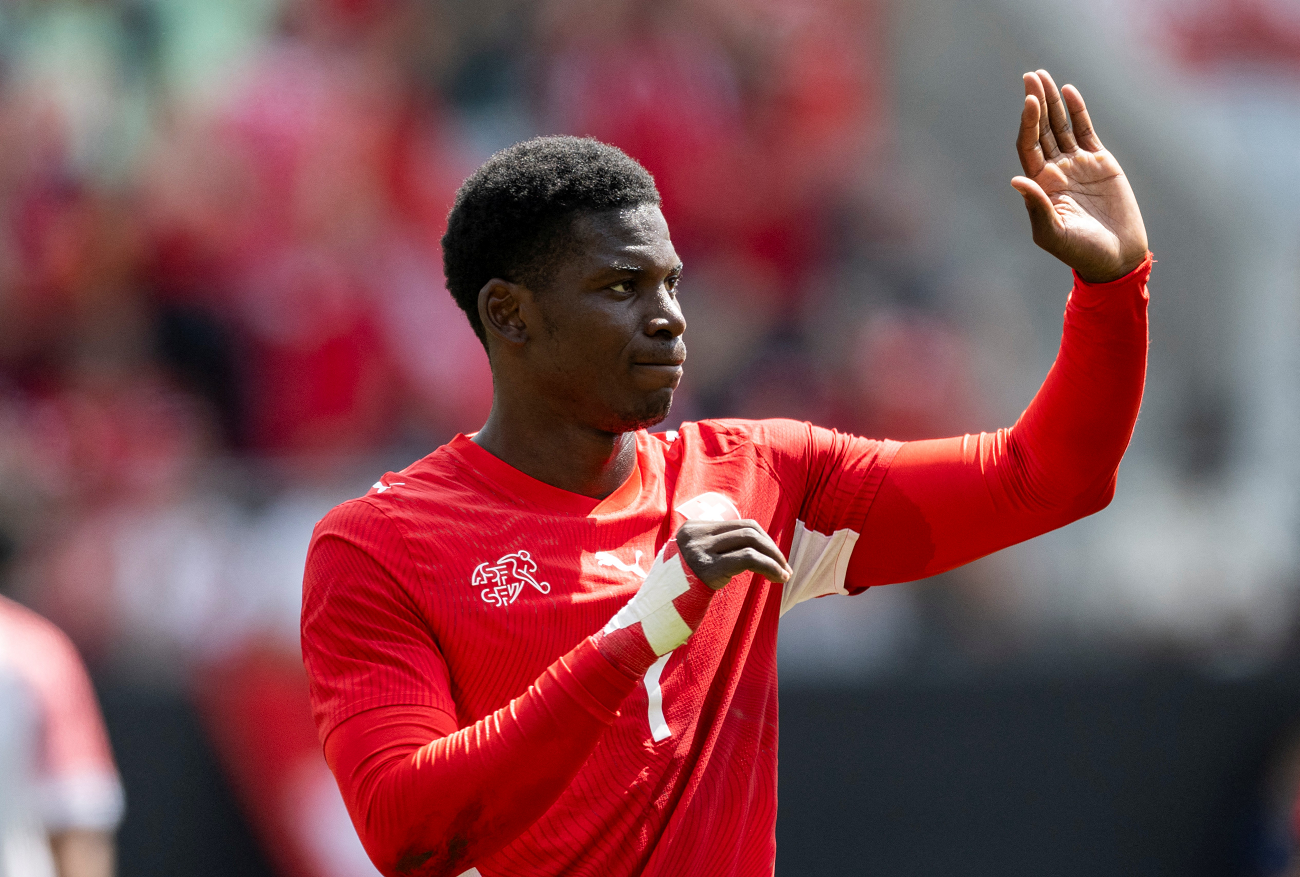
Referee Joao Pinheiro initially cautioned Leandro Paredes after an incident involving Breel Embolo.
VAR later corrected the mistaken identity, rescinded Paredes' yellow card and instead cautioned Embolo for simulation, resulting in the Swiss forward being sent off after receiving a second yellow card.