
How Much Is the 2026 FIFA World Cup Trophy Worth?
The FIFA World Cup 2026 trophy is more than just football glory: it is also one of the most valuable and exclusive sports objects on the planet. Its real value could surprise millions of fans.
How much is the FIFA World Cup 2026 trophy really worth?
Talking about the FIFA World Cup 2026 trophy means talking about the most desired object in football. Every four years, millions of fans watch a national team lift the golden trophy that symbolizes ultimate glory in the world’s most popular sport. But behind that iconic image lies a question that constantly returns: how much is the World Cup trophy actually worth?
The answer depends on how you look at it. If only the value of the materials is calculated, the figure currently sits around USD 250,000, considering the international price of gold and the handcrafted production process. However, specialists and reports cited by The Athletic estimate that if the trophy were ever auctioned — something considered nearly impossible — its value could easily surpass USD 20 million.
The trophy stands nearly 37 centimeters tall, weighs more than six kilograms, and is made of 18-karat gold. Its design features two human figures holding up the Earth, a representation that transformed the trophy into a universal symbol of modern football.
The story behind the trophy created by Silvio Gazzaniga
The current trophy was born after Brazil permanently claimed the old Jules Rimet Trophy by winning its third World Cup title in Mexico 1970. That forced FIFA to search for a new design that would mark a new era for the sport’s biggest tournament.
In 1970, FIFA launched an international competition featuring 53 different proposals. The winning design was created by Italian sculptor Silvio Gazzaniga, who worked for the Italian company GDE Bertoni. According to historical accounts, Gazzaniga wanted to represent “the joy of victory” through two human figures lifting the world.
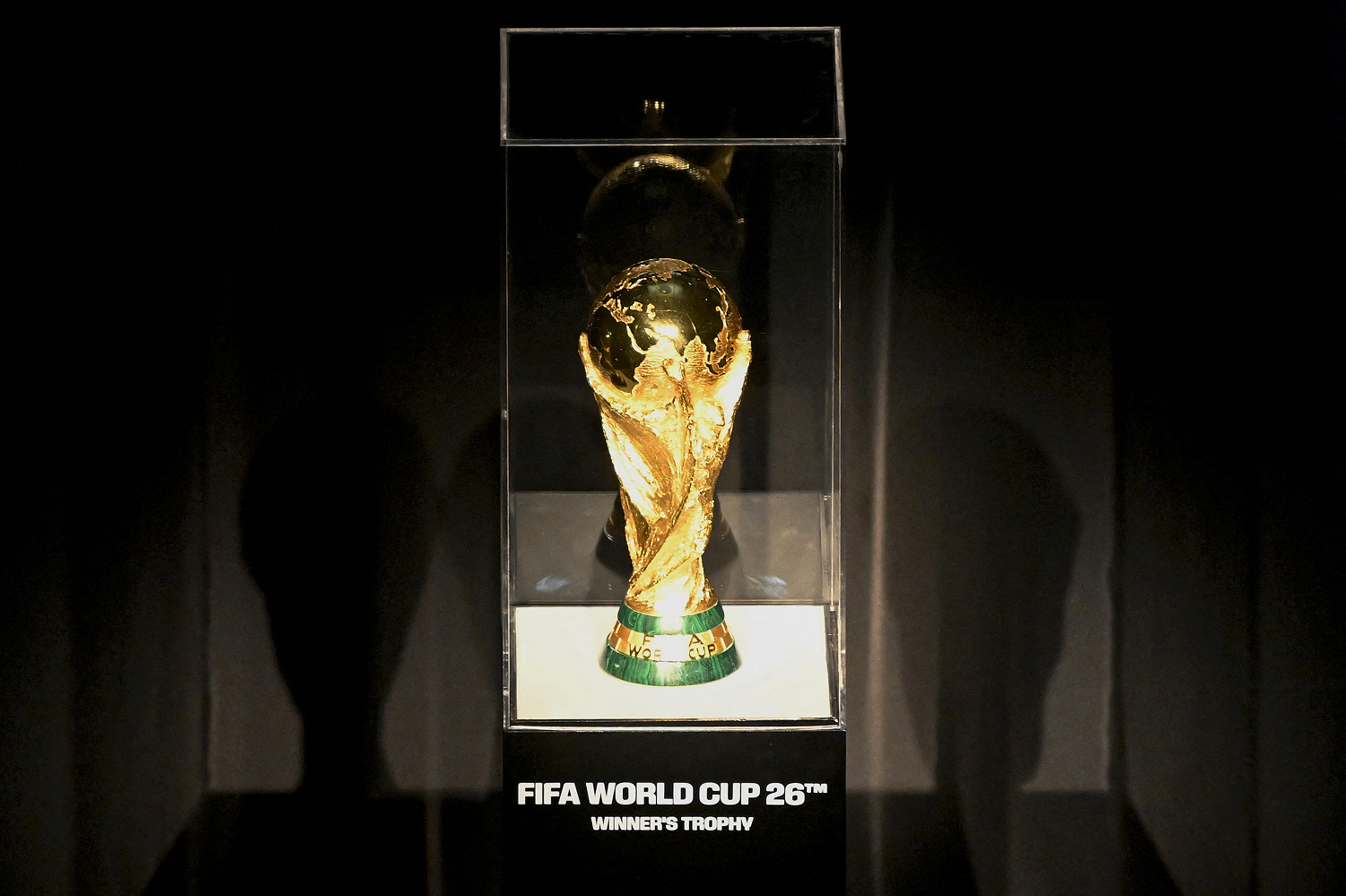
The trophy officially debuted at the 1974 FIFA World Cup in Germany, won by the German national team led by Franz Beckenbauer. Since then, it has become one of the most recognizable images in global sports.
The trophy’s history is also surrounded by mystery. The old Jules Rimet Trophy was stolen twice and eventually disappeared forever in Brazil. That incident pushed FIFA to strengthen security protocols around the new trophy.
Today, only a select few are allowed to touch the trophy without gloves: World Cup champions and certain heads of state connected to the tournament organization.
The original trophy does not stay with the champion
Although many fans believe the winning national team keeps the original trophy forever, reality is very different. For decades, FIFA has maintained exclusive ownership of the authentic trophy.
The original trophy is only handed over during the official award ceremony and special FIFA events. After the celebrations end, it immediately returns to FIFA officials under strict security measures.
What champions actually receive is a gold-plated replica produced by GDE Bertoni in Italy. That copy is the version later displayed in museums, federation headquarters, or official exhibitions.
The authentic trophy has also undergone restoration work over the years. According to historical information related to FIFA and the Italian manufacturers, one of the last major restorations took place in 2005, when the green malachite rings at the base were renewed and the trophy received a fresh gold coating.
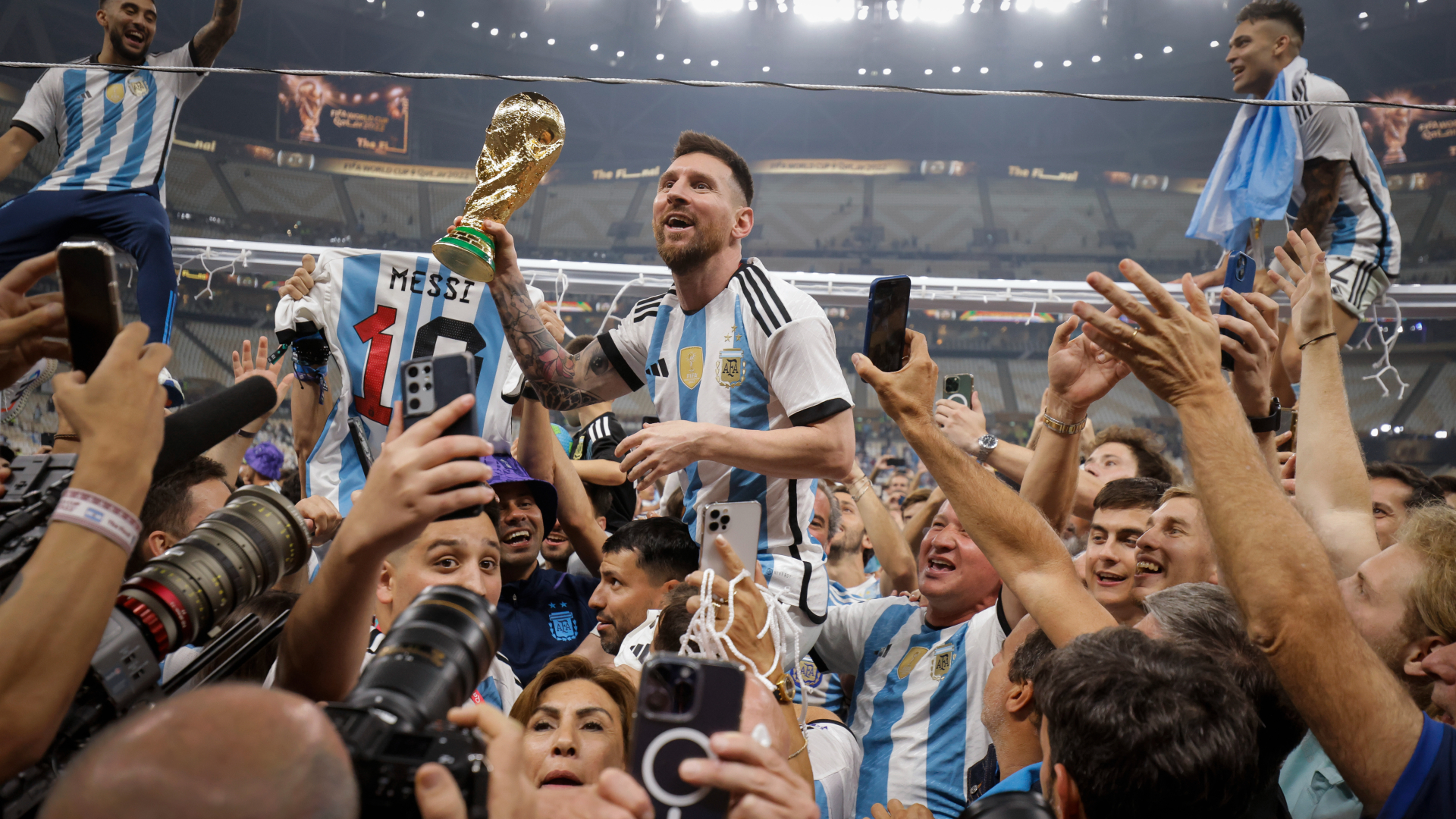
All of this further increases the almost untouchable aura surrounding the trophy. It is no coincidence that legendary footballers such as Diego Maradona, Zinedine Zidane, Iker Casillas, and Lionel Messi have described lifting it as the greatest moment of their careers.
Will there be a new champion at the 2026 World Cup?
The next owner of football’s most iconic trophy will be decided on July 19, 2026, in New Jersey during the FIFA World Cup final hosted by the United States, Mexico, and Canada. And while the tournament will feature an expanded 48-team format, history remains brutally exclusive: very few countries have ever won the trophy.
Since 1974, the trophy has remained exclusively in the hands of European and South American national teams. Germany, Argentina, Brazil, Italy, France, and Spain are part of the exclusive club whose names are engraved at the base of the trophy.
That exclusivity makes the trophy even more valuable. It is not simply gold or a handcrafted Italian masterpiece; it represents decades of football dominance and a global obsession capable of stopping the planet every four years.