
South Korea's 2026 FIFA World Cup campaign came to a disappointing end, and it was quickly followed by a major decision off the pitch. After the team was eliminated in the group stage, head coach Hong Myung-Bo announced his resignation, taking full responsibility for the nation's failure to qualify for the Round of 32.
Korea Republic Coach Resigns After World Cup Failure
The early exit of South Korea from the 2026 FIFA World Cup has brought an end to Hong Myung-Bo's tenure. The head coach resigned after accepting full responsibility for the team's failure to reach the knockout stage.
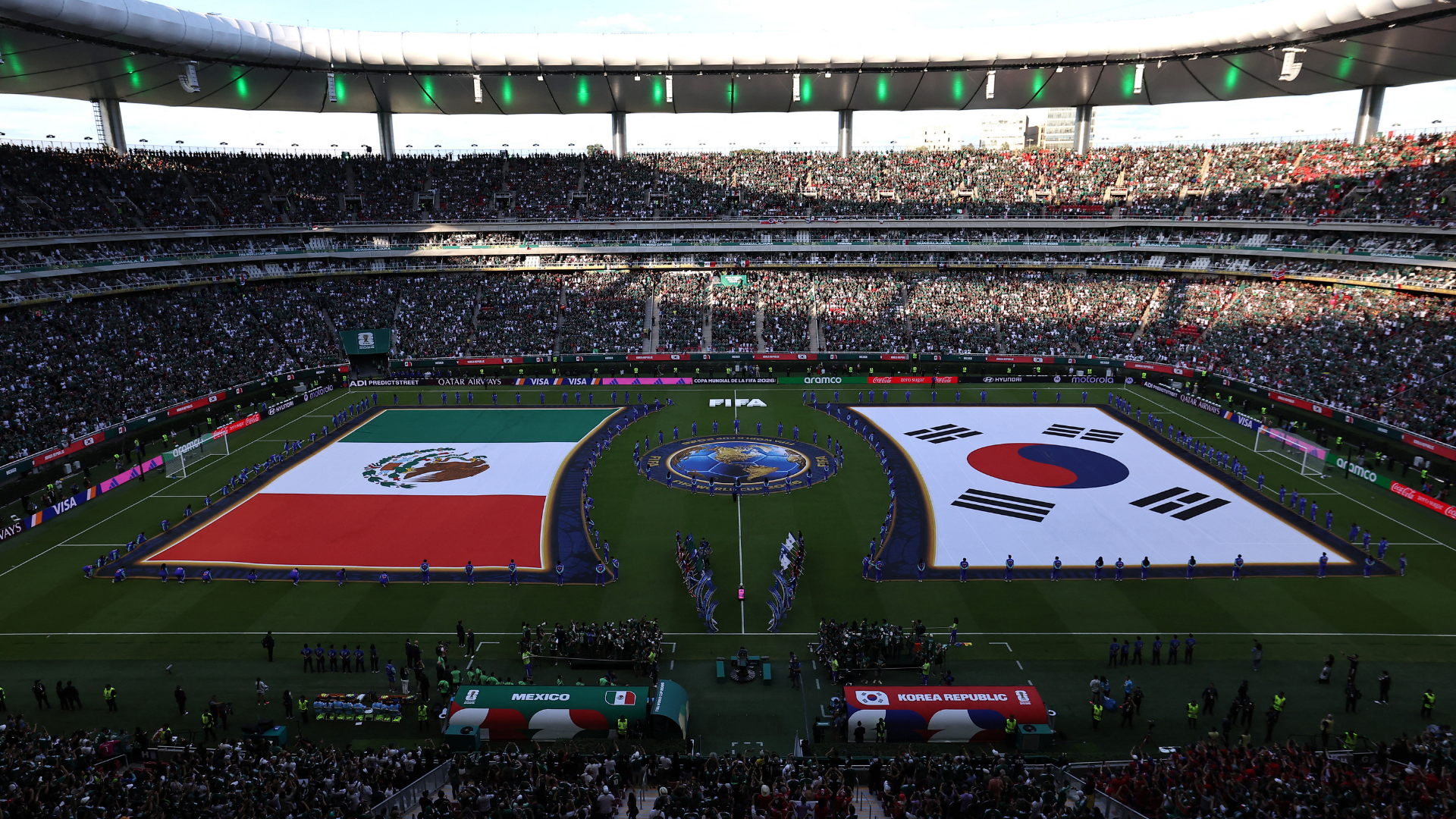
The Asian side finished third in Group A behind Mexico and South Africa. Although South Korea opened the tournament with a victory over the Czech Republic, consecutive defeats in its remaining matches left the team without enough points to advance, even as one of the tournament's best third-place finishers.
Hong Myung-Bo Takes Full Responsibility
Before the squad departed its training base in Mexico, Hong Myung-Bo officially confirmed that he would step down as head coach. The former defender, remembered as one of the greatest figures in South Korean football after helping the national team reach the semifinals of the 2002 FIFA World Cup, admitted there were no excuses for the disappointing result.

The 57-year-old apologized to supporters and acknowledged that the team failed to meet the expectations of the nation. He also stressed that his commitment to South Korean football remains unchanged and vowed to continue supporting the national team from outside the coaching staff.
This was Hong Myung-Bo's second World Cup as manager of South Korea, having also led the team at the 2014 FIFA World Cup in Brazil, where the country was likewise eliminated in the group stage.
Federation Faces Pressure After Early Exit
The disappointing campaign also sparked strong reactions at the national level. South Korean President Lee Jae-Myung described the elimination as an institutional failure and called for a full investigation into the circumstances surrounding the team's performance, urging authorities to review the country's sporting structure and implement reforms to prevent similar outcomes in the future.

The Korea Football Association must now begin the search for a new head coach to lead the next World Cup cycle. Meanwhile, South Korea will look to move on from another frustrating World Cup campaign and rebuild a project capable of restoring the confidence of its supporters and competing among Asia's top national teams once again.




Myung-Bo Hong
South Korea