
- Home >
- Soccer >
- FIFA World Cup >
- The Greatest National Teams in World Cup History: The Sides That Defined Eras and Built Football’s Greatest Dynasties
The Greatest National Teams in World Cup History: The Sides That Defined Eras and Built Football’s Greatest Dynasties
Throughout World Cup history, some national teams have transcended generations thanks to their titles, records, and footballing legacy. These are the teams that left the deepest mark on the tournament.
The Teams That Shaped World Cup History
The FIFA World Cup is the most prestigious tournament in football and, since 1930, it has been the stage where legends are born, records are broken, and the sport’s greatest powers establish their dominance.
Although dozens of national teams have competed in football’s biggest international competition, only a select few have managed to maintain excellence over several decades. Titles, finals appearances, victories, and cultural impact help identify the most successful teams of all time.
Brazil: The Only Five-Time World Champion
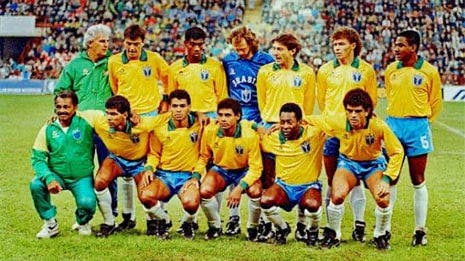
Brazil holds a unique place in World Cup history. The Seleção is the only national team to have won five FIFA World Cups (1958, 1962, 1970, 1994, and 2002).
It is also the only nation to have participated in every edition of the tournament. Its legacy is associated with some of football’s greatest icons, including Pelé, Ronaldo Nazário, Ronaldinho, Romário, and Neymar.
The Brazilian national team stands out not only because of its trophies but also because it established a football identity associated with talent, creativity, and entertainment.
Germany: The Model of Consistency
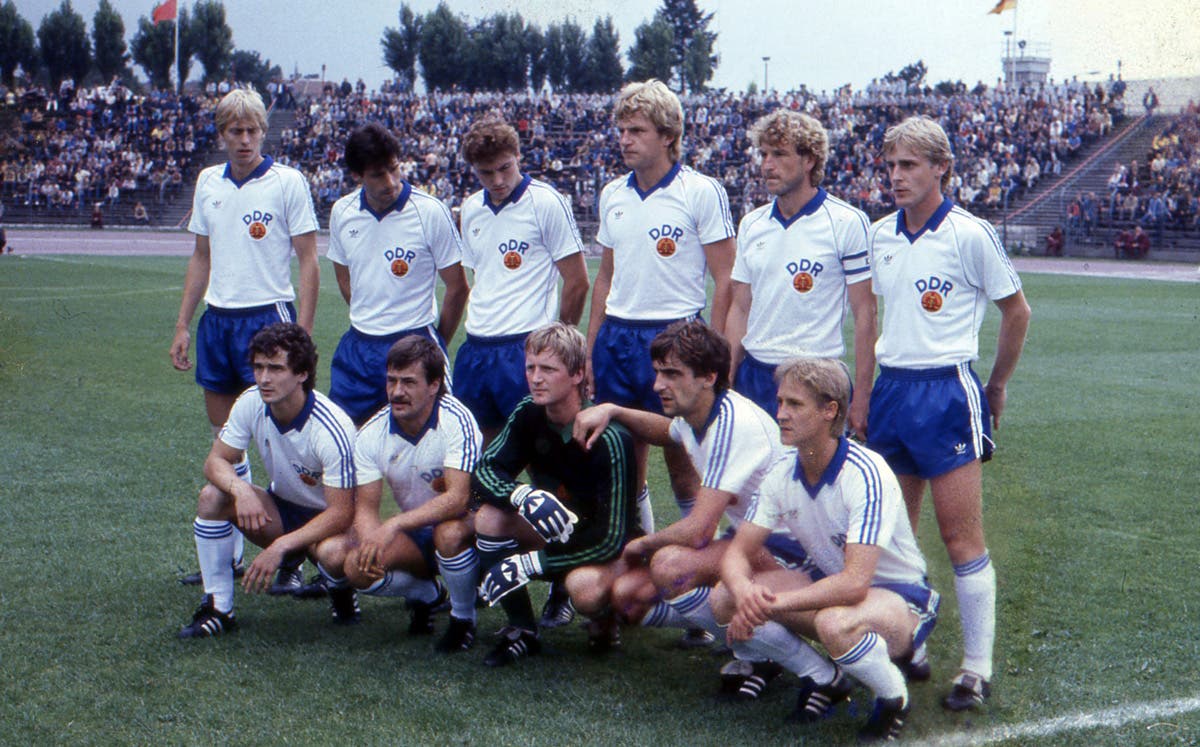
If there is one national team synonymous with consistency, it is Germany.
The Germans have won four FIFA World Cups (1954, 1974, 1990, and 2014) and boast one of the most impressive records in terms of World Cup finals and semifinal appearances.
For decades, Germany has been known for its tactical discipline, mental strength, and ability to compete at the highest level regardless of the generation. Legends such as Franz Beckenbauer, Gerd Müller, and Miroslav Klose helped build that legacy.
Argentina: The Land of Maradona and Messi
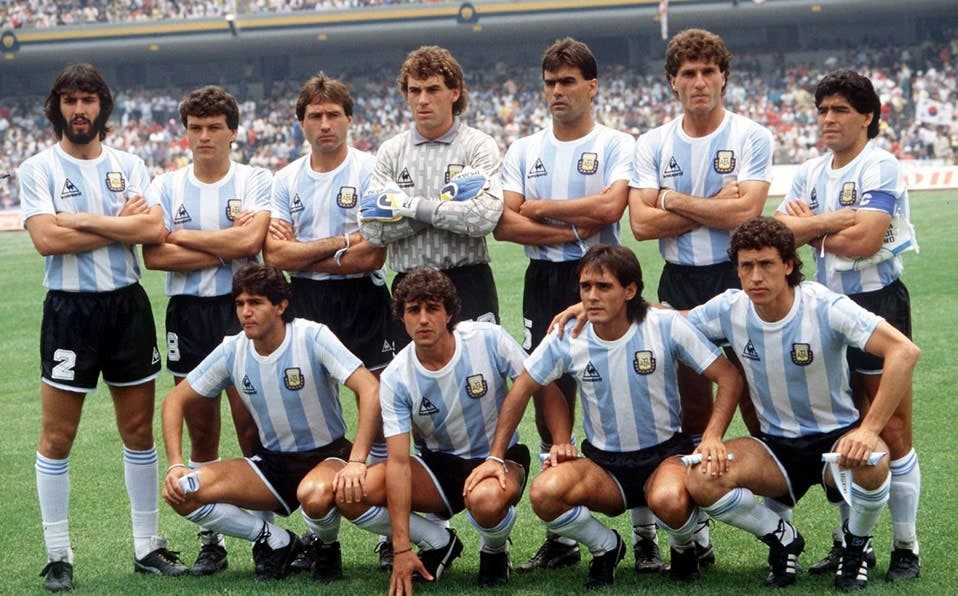
Few national teams have had such a profound impact on football culture as Argentina.
La Albiceleste has won three FIFA World Cups (1978, 1986, and 2022), driven by two of the most influential players of all time: Diego Maradona and Lionel Messi.
Messi’s triumph in Qatar 2022 further strengthened Argentina’s place among football’s historic powers, adding to a tradition that also includes multiple World Cup finals and continental titles.
Italy: A Historic Tournament Powerhouse
Although it is currently going through a less dominant period, Italy remains one of the most successful national teams in football history.
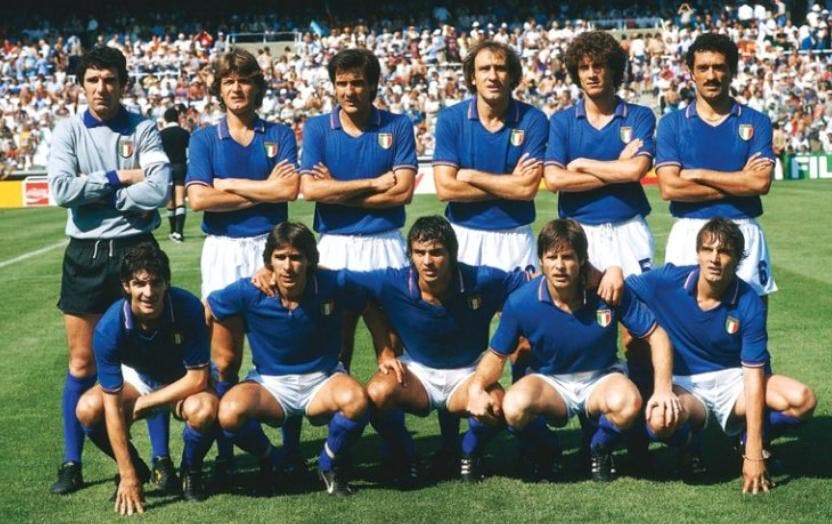
The Azzurri have won four World Cup titles (1934, 1938, 1982, and 2006), matching Germany’s total.
Its history is marked by extraordinary defensive solidity and legendary generations led by players such as Paolo Rossi, Franco Baresi, and Fabio Cannavaro.
France: A Modern Football Power
Over the last three decades, France has established itself as one of the strongest forces in international football.
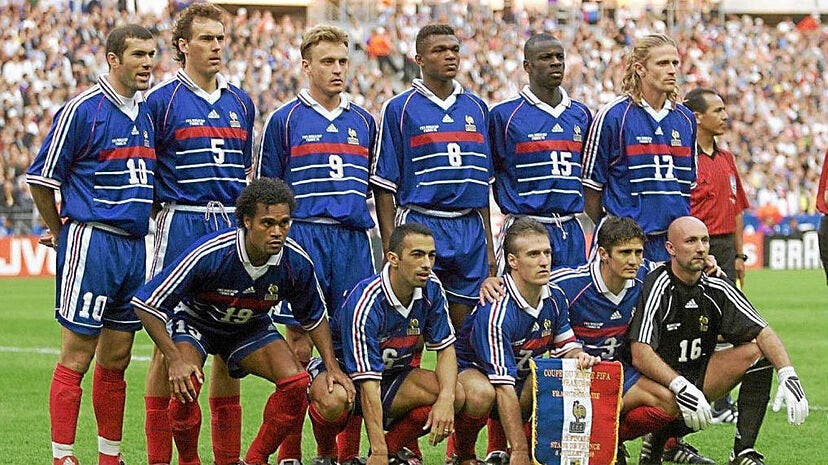
Les Bleus won the FIFA World Cup in 1998 and 2018 and also reached the finals in 2006 and 2022.
With historic figures such as Zinedine Zidane and modern stars like Kylian Mbappé, France has become a benchmark for talent, squad depth, and player development.
Other National Teams That Left Their Mark
While they do not possess as many titles as the traditional giants, several other national teams have written memorable chapters in World Cup history.
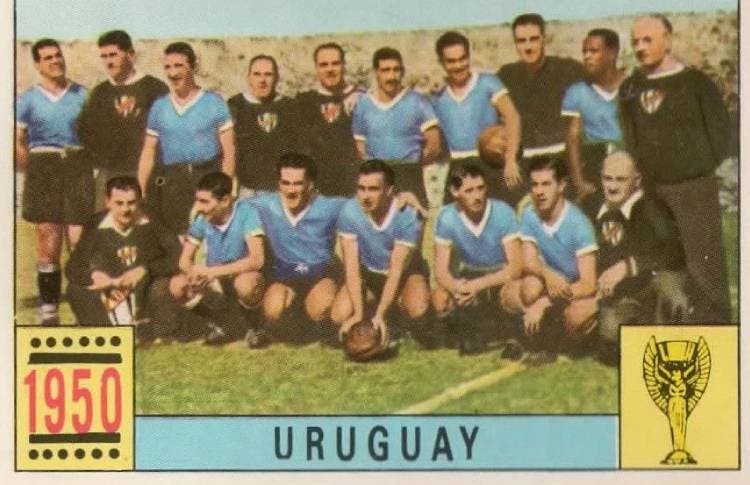
Uruguay was the first World Cup champion in 1930 and lifted the trophy again in 1950.
Spain won the 2010 FIFA World Cup with a generation widely regarded as one of the greatest of all time.
Meanwhile, the Netherlands has never won the tournament, but it reached three finals and left an enormous tactical influence through the philosophy known as “Total Football.”

A Legacy That Goes Beyond Titles
Defining the greatest national team in history is highly subjective. Some prioritize trophies, while others value consistency, playing style, or cultural influence.
However, Brazil, Germany, Argentina, Italy, and France consistently appear in any discussion about the greatest World Cup powers. Their achievements, legendary players, and ability to remain competitive across generations explain why they continue to occupy a privileged place in World Cup history.