
The Precedent That Could Influence a FIFA Sanction Against Argentina After the Banner Against England
The FIFA investigation into Argentina has a clear precedent in international football. The case of Park Jong-woo at the 2012 London Olympics provides insight into how political messages displayed during official competitions have previously been handled.
The investigation launched by FIFA into Argentina following the display of a banner after the 2026 FIFA World Cup semifinal against England inevitably brings back one of the clearest disciplinary precedents in international football. That case involved South Korean midfielder Park Jong-woo, who was sanctioned after displaying a political message during the 2012 London Olympic Games.
Although the circumstances surrounding both incidents are different and every disciplinary case is evaluated individually, Park's situation remains one of the strongest examples of how FIFA regulations prohibiting political demonstrations during official competitions have been enforced.
Park Jong-woo held up a banner reading “Dokdo is our territory”, referring to the territorial dispute between South Korea and Japan after his team secured the bronze medal in the Olympic men's football tournament. That action triggered an investigation that ultimately resulted in multiple sporting sanctions.
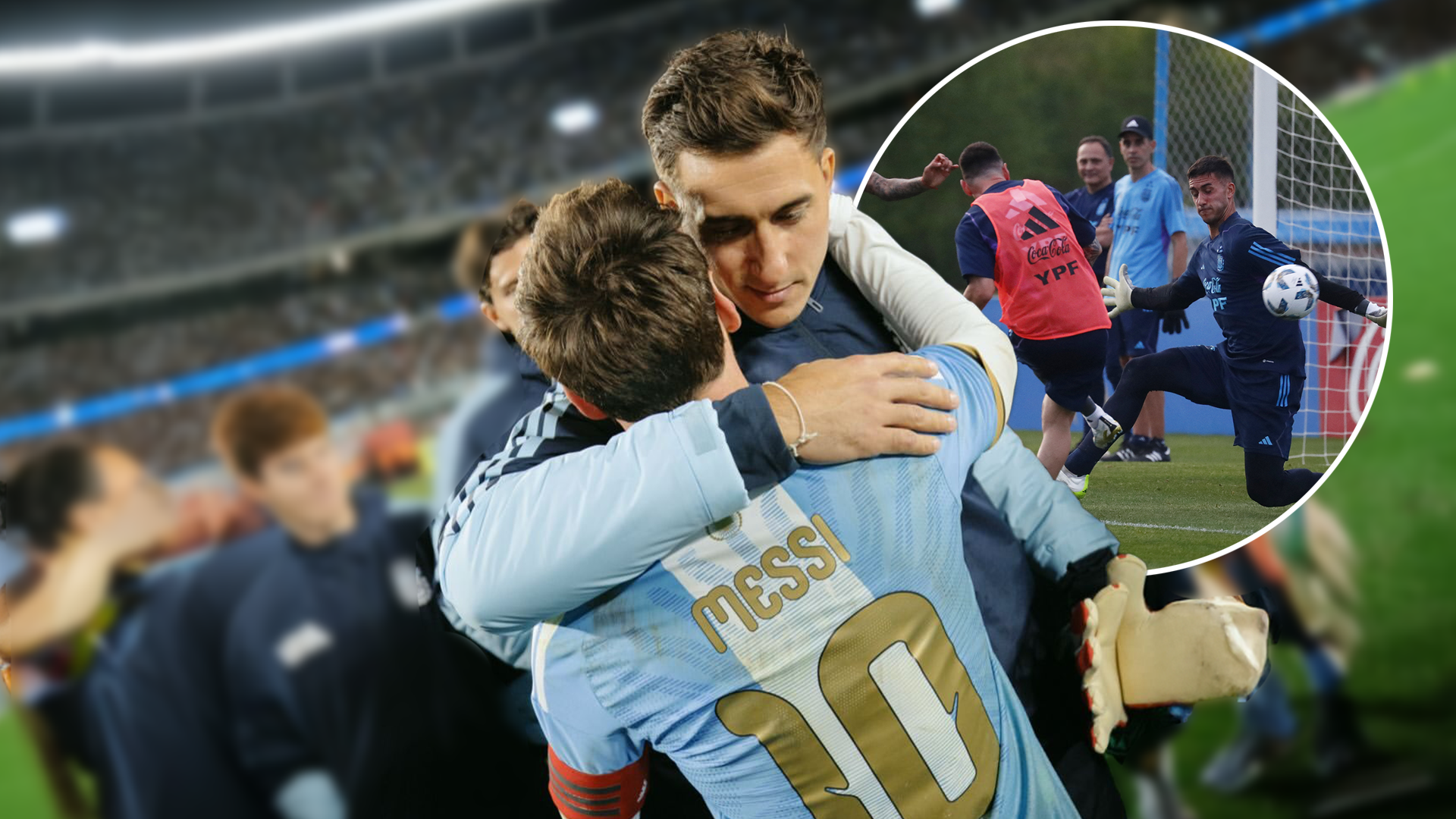
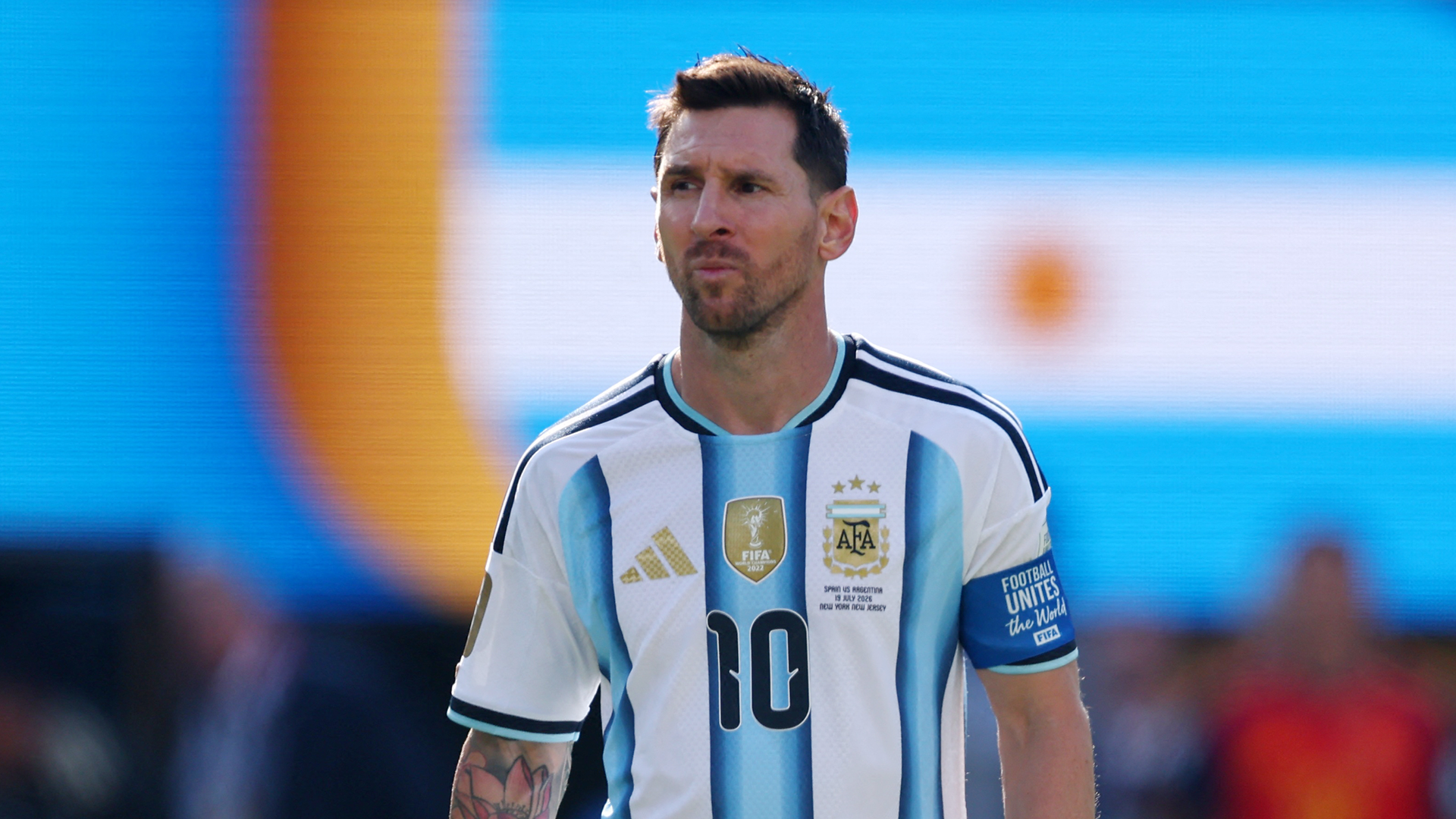
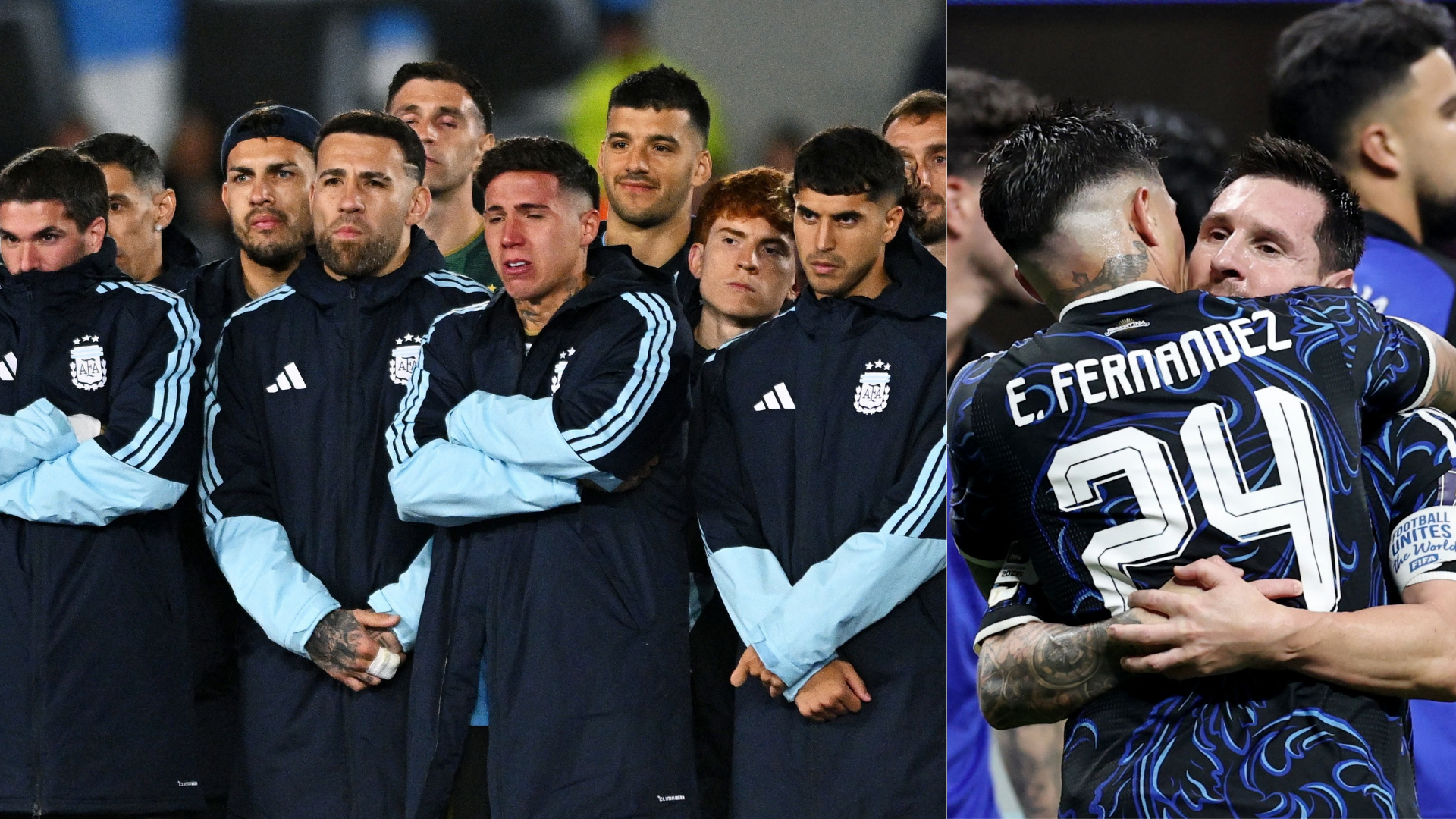
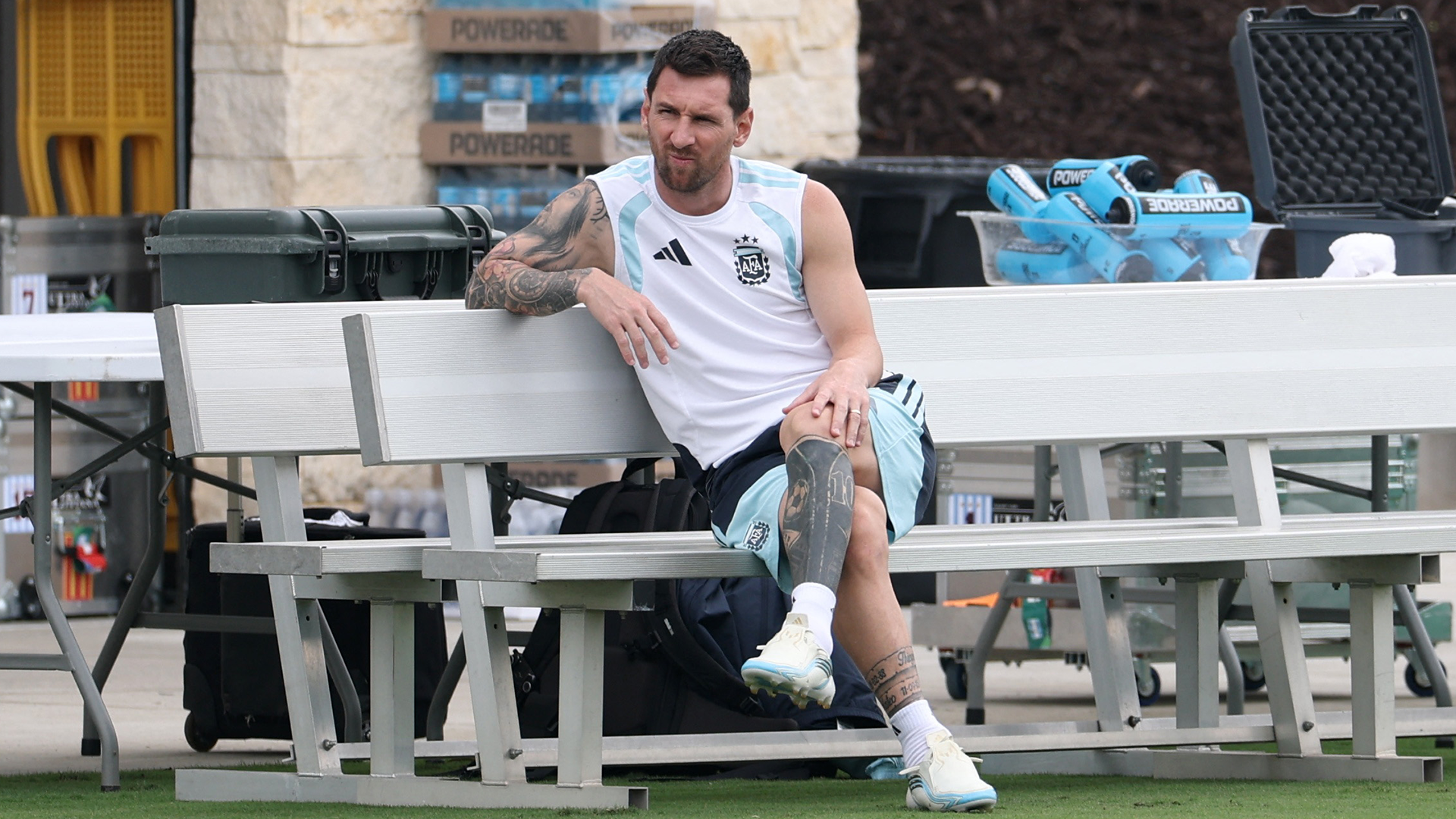
Now, the image of several Argentine players holding a banner reading "The Falkland Islands are Argentine" has once again placed FIFA's rules regarding political messages in the spotlight following an official international match.
What sanction did Park Jong-woo receive after London 2012?
The outcome of Park Jong-woo's case was significant because it extended beyond a simple warning. According to the disciplinary record, the South Korean player was barred from participating in the medal ceremony and later received a two-match suspension from international competitions.
The ruling reinforced the position of both FIFA and the International Olympic Committee, which have consistently sought to preserve political neutrality during their competitions.
That precedent is now frequently cited by analysts and media outlets as they evaluate the possible consequences for the Argentine Football Association (AFA) and potentially some members of Argentina's national team.
However, there are also important differences between the two cases. In London 2012, the incident involved a single player, whereas Argentina's celebration featured multiple players displaying the banner after securing a place in the World Cup Final.
FIFA regulations prohibit political messages
At the center of the investigation are the provisions outlined in FIFA's Match Protocol, which prohibit political, religious, or personal messages before, during, and after official matches.
According to Article 34, Section 4.3, both players and delegation members are forbidden from displaying political messages in any language or format before kickoff, during the national anthems, throughout the match, and after the final whistle.
The range of possible sanctions depends on how the Disciplinary Committee assesses the incident. Potential outcomes include warnings, financial fines imposed on the national association, or even sporting suspensions if the conduct is deemed sufficiently serious.

The precedent provides context, but does not determine the outcome
Although the case of Park Jong-woo represents the closest precedent in a competition organized under FIFA regulations, that does not mean Argentina will automatically receive the same punishment.
Even in recent years, there have been other cases involving political statements during sporting events, such as that of Rodri and Morata at the 2024 European Championship when they chanted “Gibraltar is Spanish,” resulting in a one-match suspension in the Nations League, which demonstrates that international bodies typically analyze each situation independently before issuing a ruling.