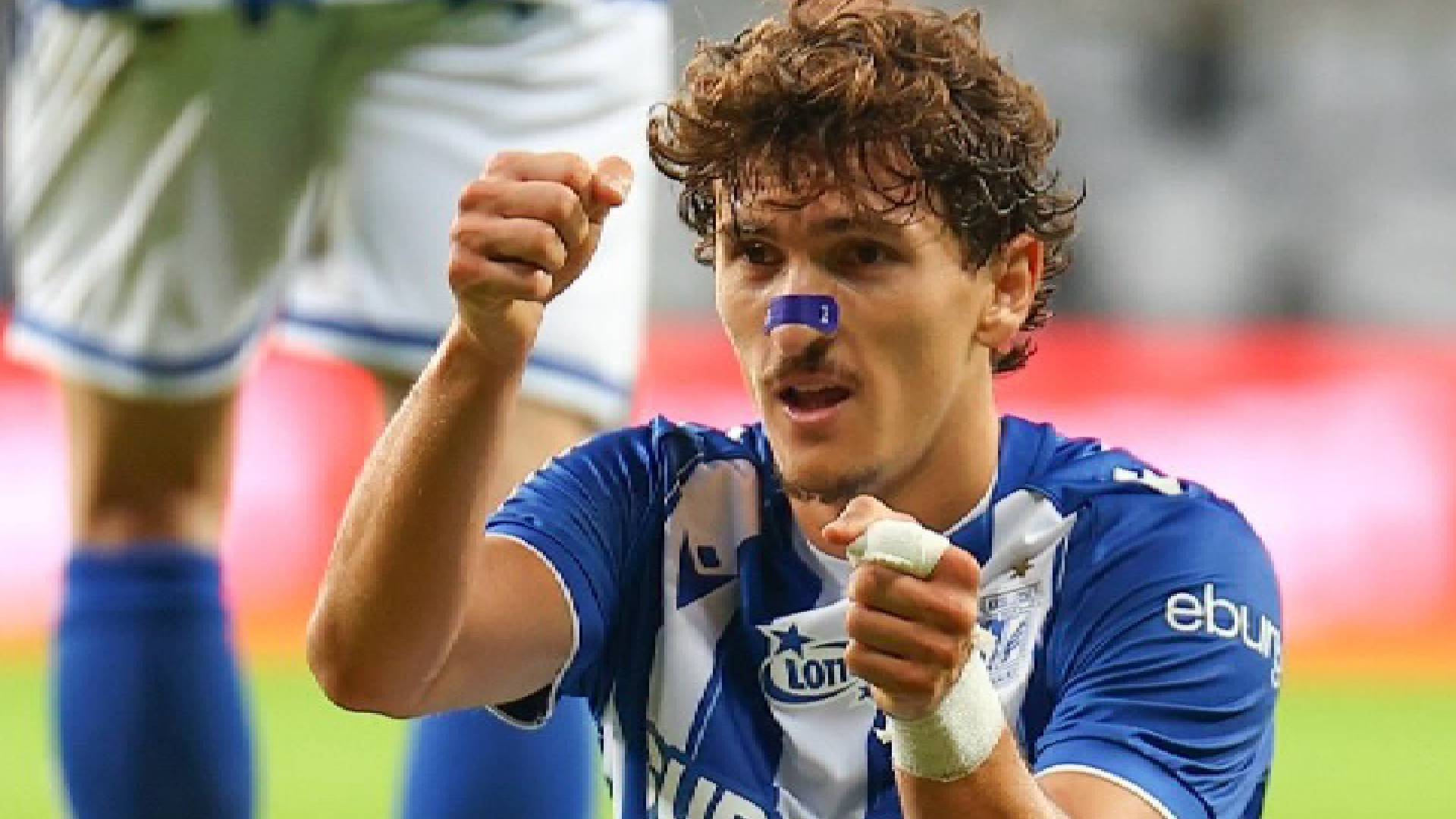

One Rivalry, Two Jerseys: Inside Poland’s El Clásico
Three players who wore both Legia Warsaw and Lech Poznań shirts explain why Poland’s biggest rivalry is about far more than just three points.
There are normal football matches, and then there are matches that carry the history of an entire country. In Poland, Sunday’s clash between Legia Warsaw and Lech Poznań live on beIN SPORTS occupies that place.
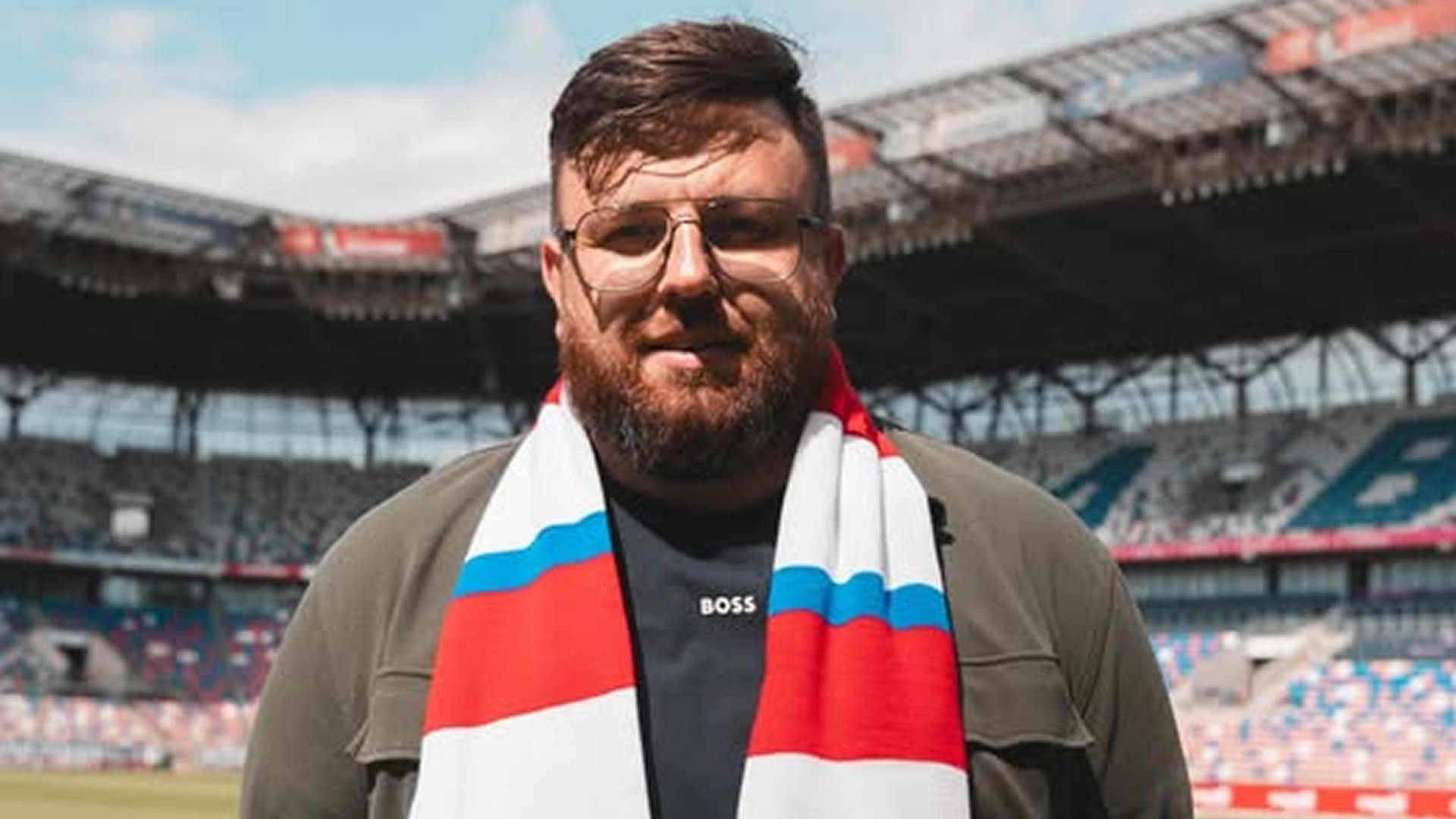
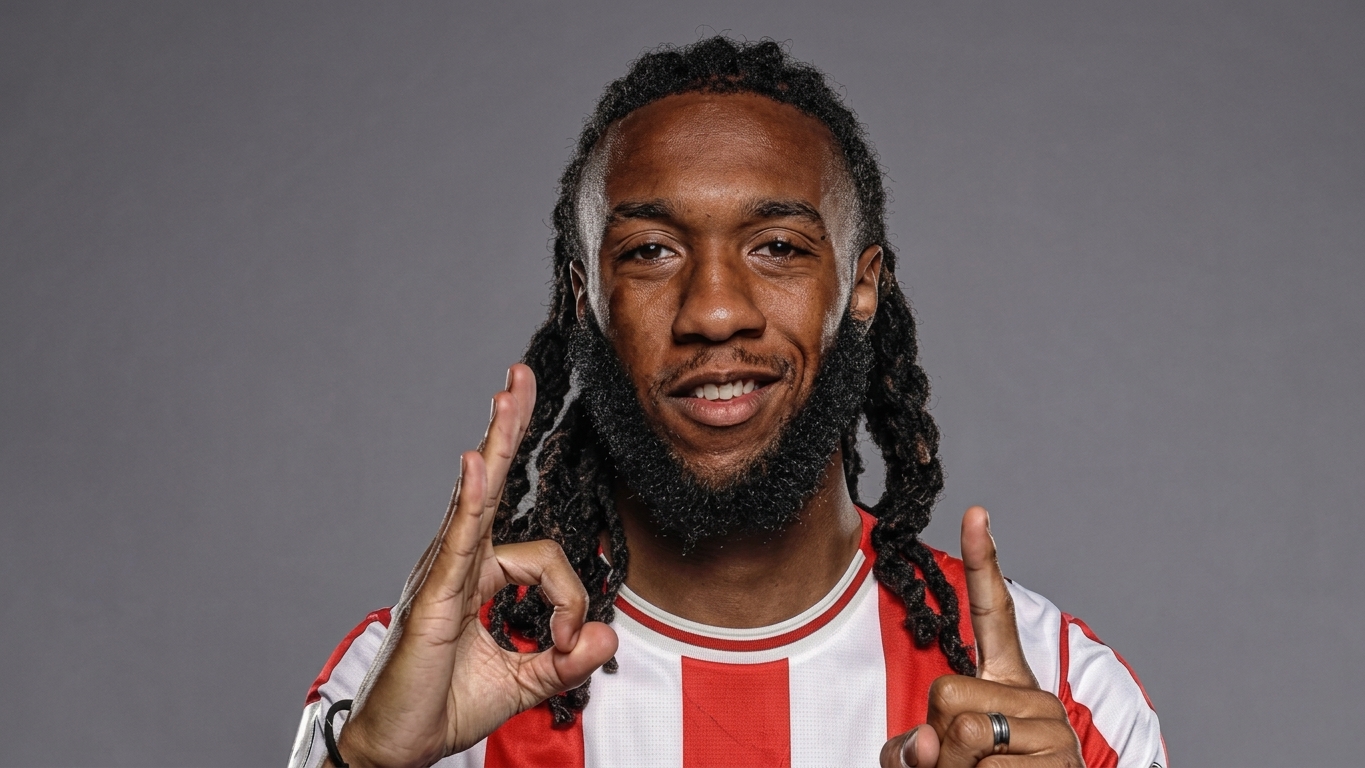
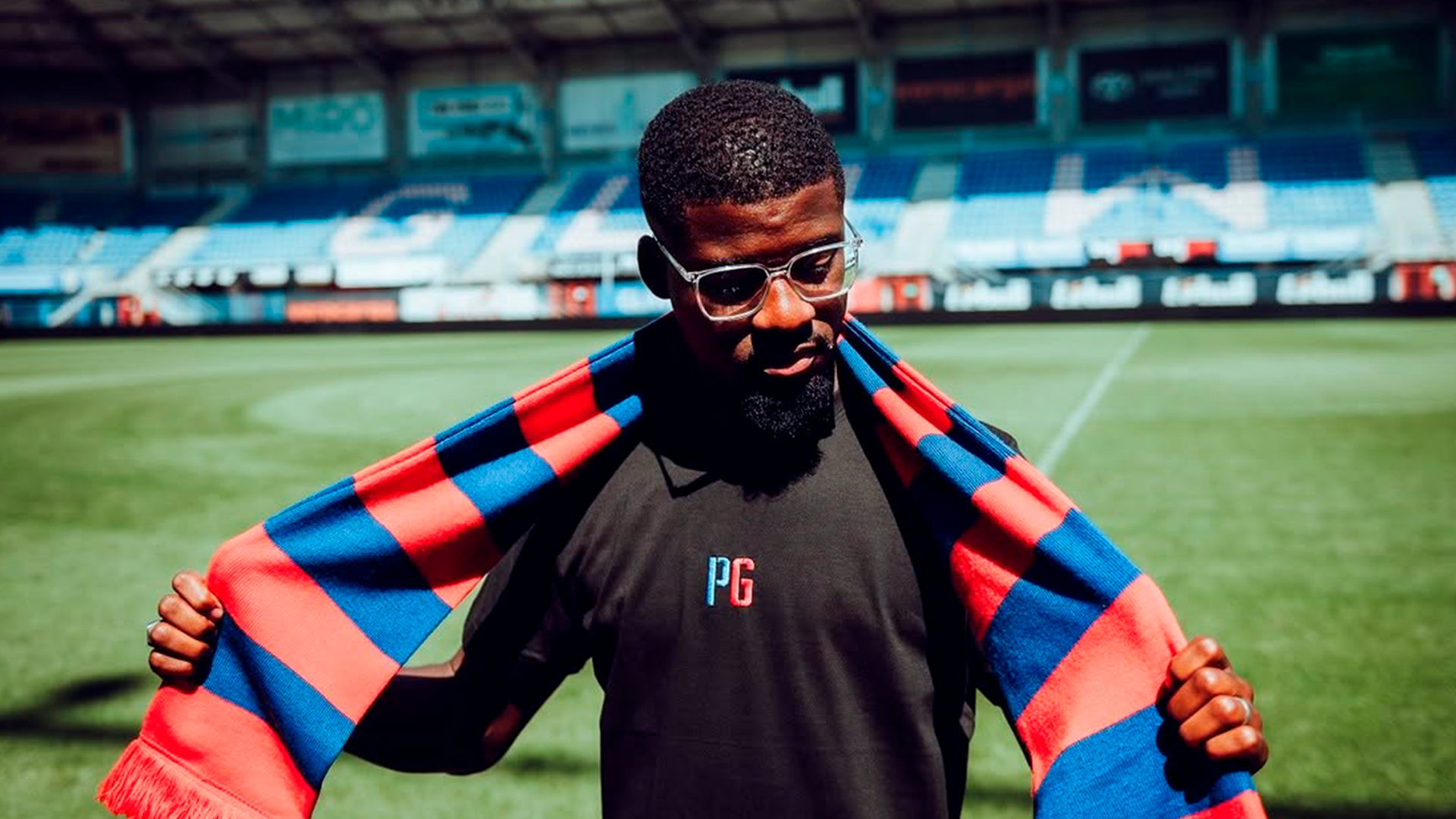
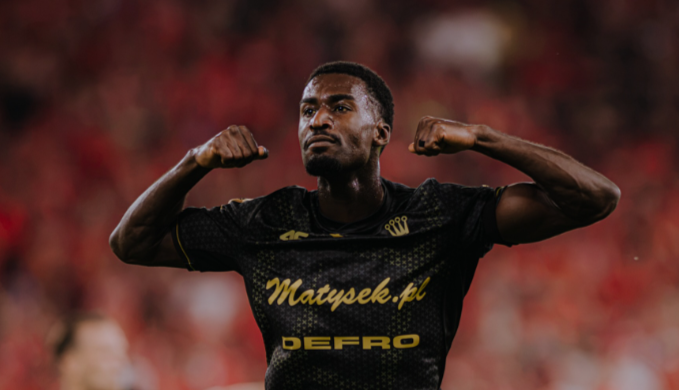
Few people can explain that tension as clearly as those who have worn both shirts. Bartosz Bereszyński, Jerzy Podbrożny and Kasper Hamalainen each crossed the divide between Poznań and Warsaw. Their stories show that this rivalry is not simply about which team wins or loses but but also what happens when a player changes sides.
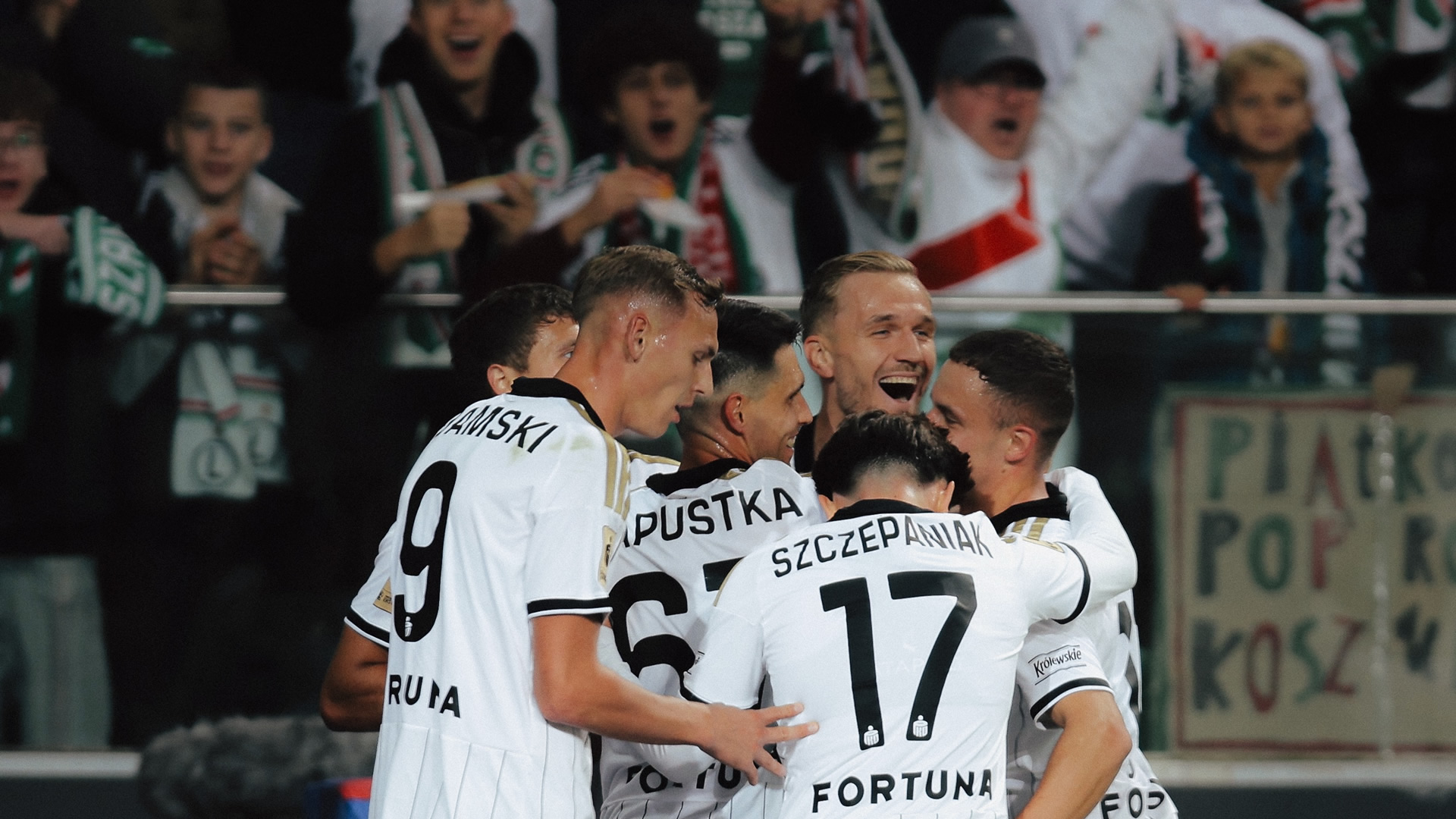
A rivalry built on trophies, geography and identity
For Bereszyński, who began his senior career at Lech before moving to Legia, the significance of the fixture was clear even when he was a young player still finding his place.
“At that time, these two teams dominated the league,” he said. “They had the best players in the country and were competing for the championship."
There is a historical dimension, too. Legia’s identity as a club associated with the military has long formed part of its rivalry with other Polish teams.
“It is the biggest club in Poland, and other teams always want to beat it,” said Bereszyński. “I would compare it to El Clásico. They are teams from different cities, the best teams competing for the highest goals in their country.”
“God forgives, but the fans never do.”
For a player, crossing from one side to the other can be a career decision. For supporters, it can feel personal.
The direction of a transfer mattered in Poland because supporters did not see the two clubs as interchangeable employers. Moving from Lech to Legia meant joining a direct rival, and the player had to live with the consequences.
Jerzy Podbrożny, a forward who represented both clubs, learned that quickly. His goals helped him win over Legia supporters, but his departure left a mark in Poznań. He recalled the message reportedly written on a wall after he left: “God forgives, but the fans never do.”
Podbrożny’s memories of Legia–Lech are filled with the small details that make football stories last: a rebound, a former training partner, a goalkeeper guessing the wrong way.
He remembers scoring against Legia while playing for Lech after a shot from Jerzy Brzęczek produced a rebound. Later, wearing Legia colors, he found himself facing his former team and a goalkeeper he knew well from training.
“I had trained with him for about two and a half years,” he recalled. “He knew my feints and the moves I liked to make, but I still managed to get past him.”
His final game for Legia against Lech brought another remarkable memory: a hat trick. It was the sort of performance that could secure a player’s place in one club’s history while making him even harder to forgive at the other.
Kasper Hamalainen and the five seconds after the goal
If Podbrożny’s memories capture the long arc of moving between rival clubs, Kasper Hamalainen’s story has one defining image: a former Lech player scoring a stoppage-time winner for Legia against the team he had left.
Hamalainen arrived in Poland as a foreign player, with a new culture, language and league to understand. His time at Lech brought warm memories and a championship – “It was kind of exotic for me to come into a totally new market, and I was looking forward to it.”
The football mattered, too. Lech had its ups and downs, but Hamalainen was part of a team that won the championship. It was a positive period in his career, and one that made his eventual move to Legia more complicated than an ordinary transfer.
“I knew it was a big move,” he said. “I thought about it many, many times - the pros and cons, and what it would be like.”
“For the first half-year, I wasn’t liked by the Lech Poznań fans, and I wasn’t really liked by the Legia fans either,” he recalled.
His first return to Poznań as a Legia player was mentally exhausting. He played only around 18 minutes, yet the experience stayed with him.
Then came October 22, 2016.
Legia were leading 1-0 when Lech were awarded a late penalty. Marcin Robak converted in the 90th minute, seemingly rescuing a point for the visitors. Hamalainen, introduced late in the game, scored in stoppage time to give Legia a dramatic 2-1 victory. It was a moment that immediately became one of the defining images of his time in Warsaw.
“It was a feeling I didn’t really know how to handle,” he said. “I just tried to stay calm, out of respect for Lech.”
He remembers a brief period of disbelief after the ball went in.
“There were maybe five seconds when I didn’t really understand anything,” he said. “It just happened, and then you wake up and think, okay, it happened.”

What makes this match different?
Ask the three former players what makes Legia–Lech special, and their answers and experiences show why the fixture cannot be reduced to a calculation of current form. A team may arrive with better results but the rivalry brings its own pressures and possibilities.
Bereszyński believes Lech can draw on individual quality, while Legia’s strength lies in the collective - “I think Lech has the best squad in Poland, but Legia is a team that functions together.”
Podbrożny is not convinced that the match will produce a clear winner. He suggested a draw, while hoping it would be an entertaining one
Hamalainen suggested a 3-3 scoreline. It is a fitting answer from someone whose own defining moments in the rivalry came in the final seconds of chaotic matches.
Comparisons with El Clásico are useful not because the rivalries are identical, but because they are contests that carry history into the present. Every new result becomes part of a larger story, and every player who crosses from one side to the other becomes a character in that story long after his playing career has ended.
Bereszyński, Podbrożny and Hamalainen have celebrated with Legia and Lech, scored against former teammates and learned that a transfer can change the way supporters remember a player.
The final whistle does not always end the story. Sometimes, as Hamalainen discovered, it takes a last-minute goal to change how an entire stadium remembers you.
Sunday October 25th
12:30PM / 9:30AM PT
Legia Warszawa vs. Lech Poznań - live FOR FREE on beIN SPORTS XTRA