
Didier Deschamps' Successful Legacy as France National Team Manager
Despite ending his tenure with a defeat and without the 2026 World Cup title, the often-debated manager created an era of unprecedented success that will be difficult to replicate in French and international football.
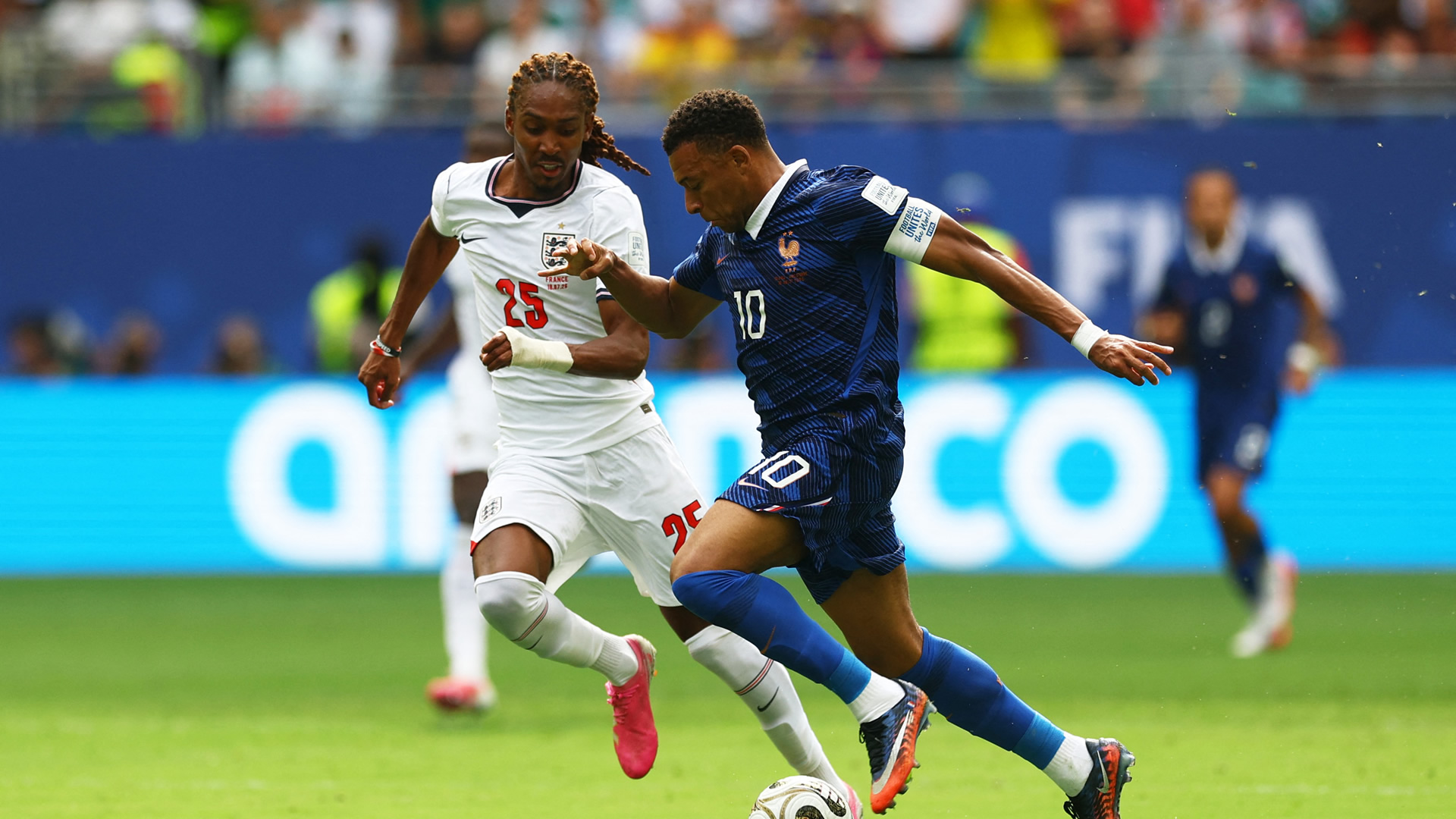
France's 6-4 defeat to England in the 2026 FIFA World Cup third-place playoff marked the end of Didier Deschamps' tenure, the most successful era in the history of Les Bleus.
After more than a decade in charge, Deschamps leaves behind a legacy defined by trophies, consistent international success, and the creation of a world champion generation that returned France to the top of global football.
His departure opens the door to a new chapter, with Zinedine Zidane emerging as a potential successor to lead the next era of the French national team.

An Era of Glory
Since taking over in 2012, Deschamps transformed France into a global powerhouse.
His greatest achievement came at the 2018 FIFA World Cup in Russia, where Les Bleus won their second World Cup title after defeating Croatia in the final. He also guided France to the 2021 UEFA Nations League title and reached the 2022 FIFA World Cup final in Qatar, where they lost to Argentina in a dramatic penalty shootout.
Deschamps' impact places him alongside the most influential figures in French football history. Michel Platini led the generation that won Euro 1984; Aimé Jacquet and Zinedine Zidane delivered the 1998 World Cup and Euro 2000 titles; while Raymond Domenech reached the 2006 World Cup final.
However, Deschamps achieved something unique: keeping France among the world's elite for more than a decade.
A Golden Generation Built for Success
One of Deschamps' greatest achievements was developing and managing the players who became world champions in 2018.
Under his leadership, stars such as Kylian Mbappé, Antoine Griezmann, N'Golo Kanté, Paul Pogba, Raphaël Varane, Samuel Umtiti, Benjamin Pavard, and Lucas Hernández became key figures in France's triumph in Russia.
He also successfully guided a new wave of talent, including Aurélien Tchouaméni, Eduardo Camavinga, and Ousmane Dembélé, ensuring France maintained its competitive level on the international stage.
Deschamps' cycle was not without criticism. His pragmatic style of play and some tactical decisions generated debate among supporters and analysts. However, the results remain undeniable: one World Cup title, one World Cup final appearance, one UEFA Nations League trophy, and more than a decade among football's elite nations.
With the 2026 World Cup marking the conclusion of his reign and a potential new era with Zinedine Zidane on the horizon, Deschamps leaves behind a legacy that will be extremely difficult to match in French football history.