
Lionel Messi and the Controversies That Shaped His History With Argentina
From “Cold-Hearted” to Legend: The Controversies Messi Left Behind With Argentina
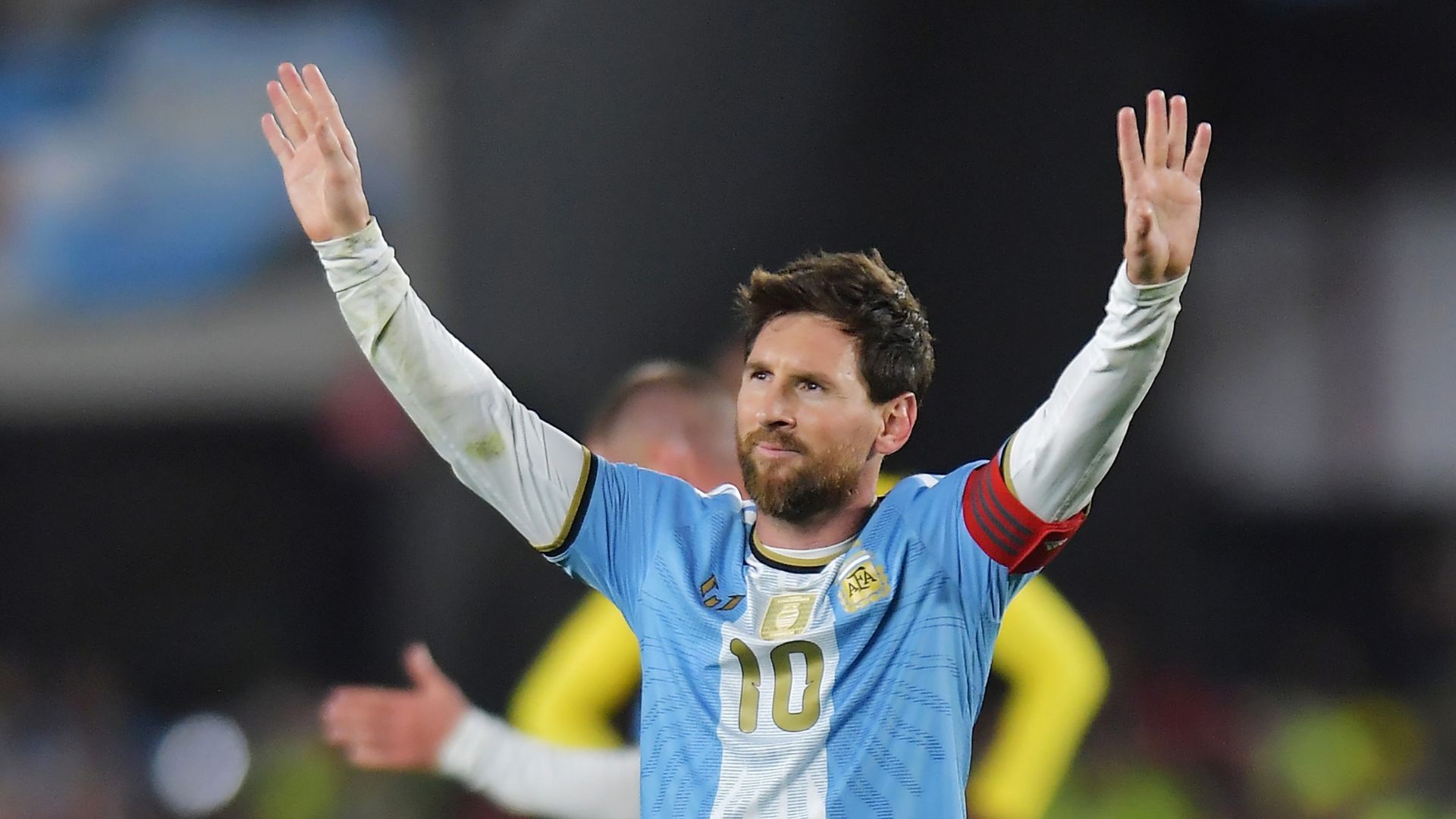
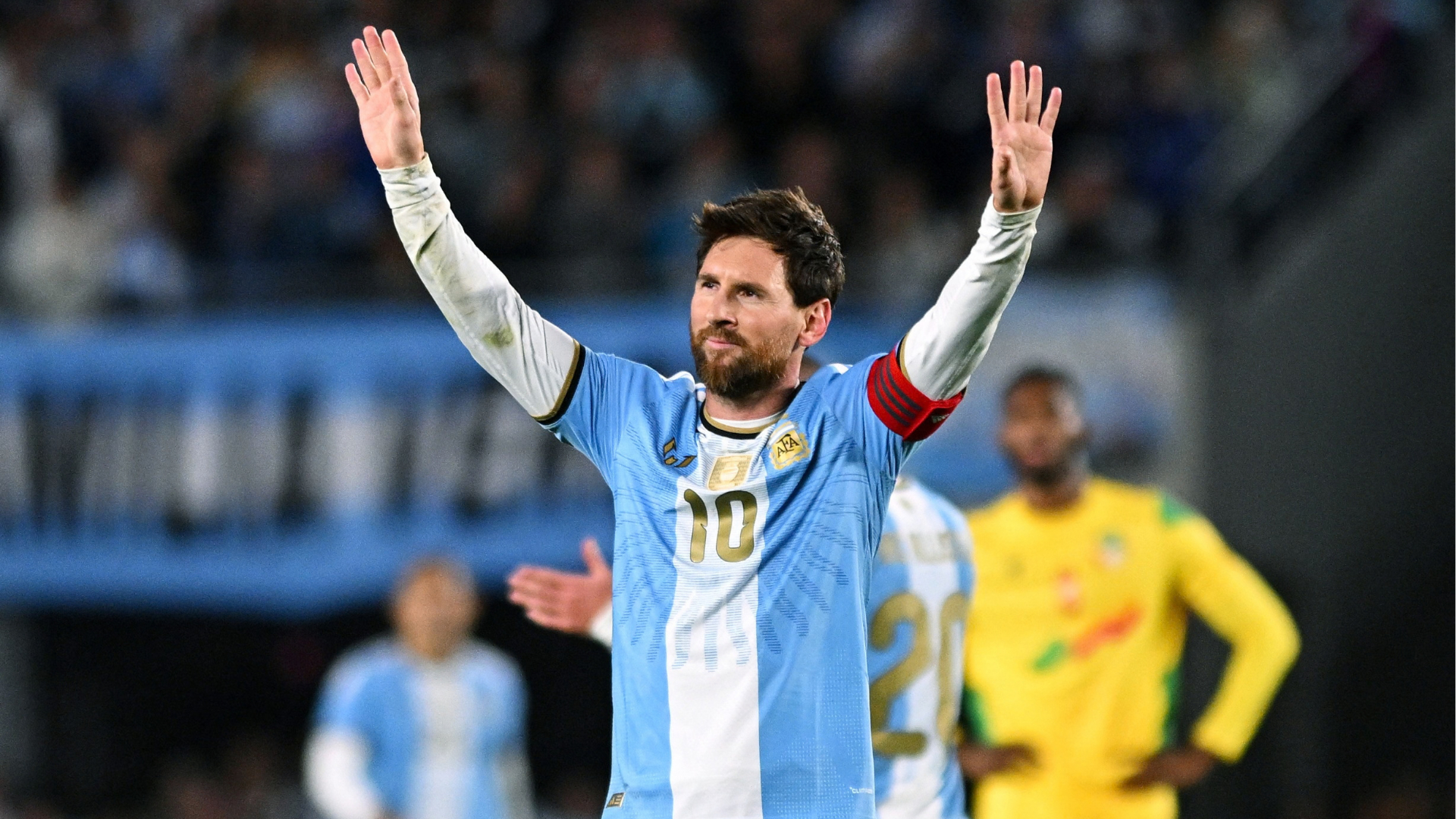
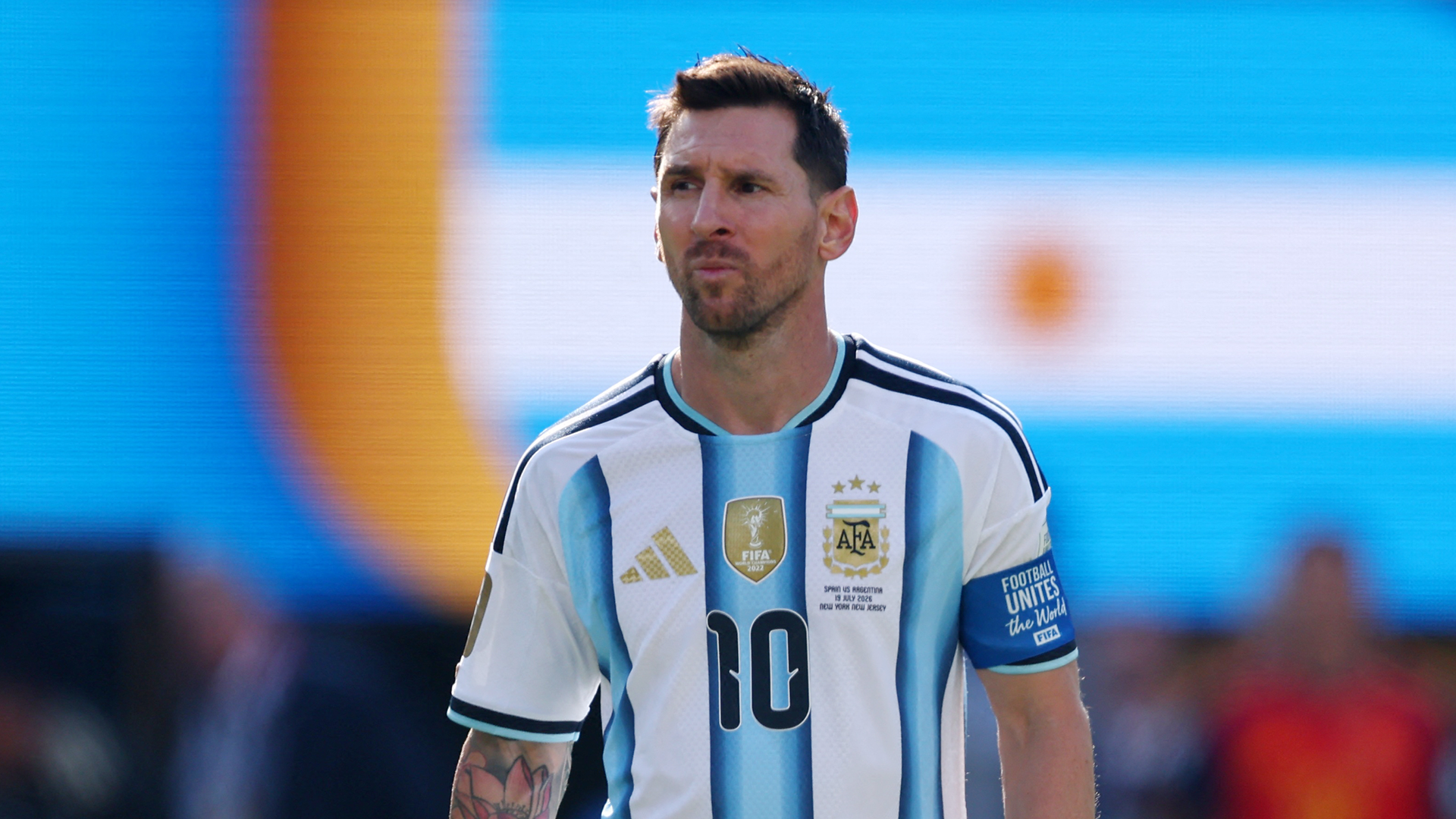
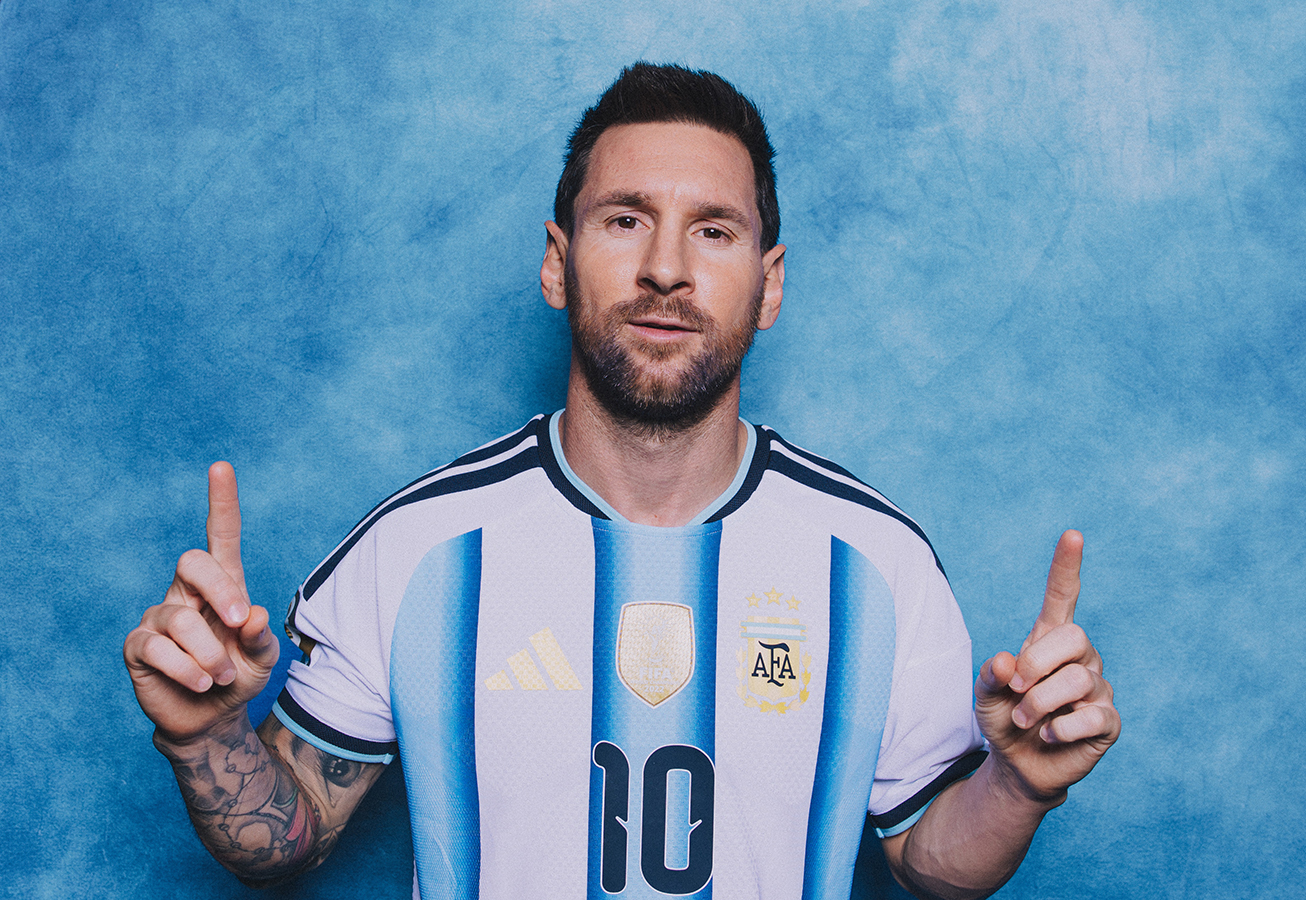
Lionel Messi ended his journey with the Argentina national team as a legend, with a collection of titles that seemed impossible to achieve for years. However, his relationship with La Albiceleste was far from perfect.
Before conquering South America and the world, Messi endured criticism, lost finals, a retirement announcement, questions over his leadership, clashes with coaches, confrontations with opponents and controversial refereeing decisions. And when the titles finally arrived, new debates emerged.
Because Messi’s story with Argentina also had an uncomfortable side.

THE CRITICISM AND THE SHADOW OF MARADONA
During his early years with the Argentina national team, Messi was criticized for not showing the same level with his country that he displayed at Barcelona. Some fans even called him “pecho frío” (“cold-hearted”) and questioned his commitment to the national team jersey.
On top of that, he had to deal with comparisons to Diego Armando Maradona throughout virtually his entire career. While Maradona had led Argentina to the 1986 World Cup title, Messi continued to suffer defeats in major finals.
Maradona also made critical comments about Messi at different points. In 2018, for example, he questioned Messi’s personality before matches, although he later clarified his remarks and defended the forward against some interpretations by the media.
The comparison ultimately became an additional source of pressure for Messi, especially after losing the 2014 World Cup and the 2015 and 2016 Copa América finals.

RETIREMENT AFTER MISSING A PENALTY
The defeat to Chile in the 2016 Copa América Centenario final led to one of the most dramatic moments of Messi’s international career.
Messi missed his penalty in the shootout and, still devastated by the defeat, announced his retirement from the Argentina national team.
“I’ve tried so hard,” he said that night.
But the episode did not end with his retirement announcement. After the Copa América, Messi also voiced strong criticism of CONMEBOL and the tournament’s organization. The Argentine questioned different aspects of the competition and expressed his frustration with the treatment received by the national team.

Those comments opened another front of controversy between Messi and the governing body of South American soccer.
Later, CONMEBOL changed the frequency of the Copa América. After the 2015 and 2016 editions, the tournament returned in 2019 and subsequently adopted a different schedule, with the 2020 Copa América originally planned and later postponed due to the pandemic, followed by the 2024 Copa América.
That change fueled speculation among some fans, who connected the new schedule to the situation involving Messi and Argentina. For that group, the calendar changes represented more opportunities for Messi to finally win the title that had eluded him.
However, there is no evidence that CONMEBOL changed the Copa América schedule specifically to benefit Messi. The changes were the result of institutional and scheduling decisions by the confederation, although some fans later used them as an argument in the debate over alleged preferential treatment toward the Argentine star.
The reaction to Messi’s retirement announcement was enormous. Thousands of fans called for his return and, weeks later, the forward reconsidered his decision and once again put on the Argentina national team jersey.

MARTINO AND THE FINALS ARGENTINA COULD NOT WIN
Gerardo “Tata” Martino coached Messi during one of the most frustrating periods of his international career.
Argentina reached the 2015 and 2016 Copa América finals, but lost both to Chile. Martino publicly defended Messi against criticism and even said that, if he had been in Messi’s position, he probably would have stopped playing for Argentina much earlier because of the pressure.
However, the results eventually took their toll on the project.
Following the 2016 defeat and Messi’s retirement announcement, Martino stepped down amid an institutional crisis within the Argentine Football Association (AFA). The episode marked the end of a period in which Argentina had come close to winning a major title but once again ended up empty-handed.

SAMPAOLI AND THE CHAOS OF RUSSIA 2018
The relationship with Jorge Sampaoli was even more complicated.
The 2018 World Cup in Russia was surrounded by reports of internal problems, tactical disagreements and questions about the coach’s authority. One of the most memorable images was a conversation between Sampaoli and Messi during the match against Nigeria, a scene that sparked speculation about the captain’s influence over the team’s decisions.
There were also reports alleging that Messi had the power to intervene in team selections, something that was later denied by several people involved.
Argentina struggled to reach the Round of 16 and was eventually eliminated by France in a 4-3 thriller. Sampaoli later stepped down as head coach.

THE “WHAT ARE YOU LOOKING AT, FOOL?” AND MESSI’S MORE CONFRONTATIONAL SIDE
At the 2022 World Cup in Qatar, a much more confrontational version of Messi emerged.
After eliminating the Netherlands in the quarterfinals, the Argentine was giving an interview when he spotted Wout Weghorst and delivered a line that immediately became one of the most viral moments of his career:
“What are you looking at, fool? Go over there.”
The incident came after a tense match and was linked to the confrontations between the two teams, as well as previous comments from Louis van Gaal, who had questioned aspects of Messi’s style of play.
After the match, Messi also publicly criticized referee Antonio Mateu Lahoz, arguing that his performance had not been up to the standard expected for such an important game.
The Argentina captain, who had been criticized for years for his supposedly cold demeanor, was now showing a much more intense and confrontational personality.
THE 2022 WORLD CUP AND THE PENALTY CONTROVERSIES
Argentina finally won the 2022 World Cup in Qatar, but the triumph was not free from debate.
La Albiceleste was awarded several penalties during the tournament. Argentina eliminated the Netherlands in a penalty shootout in the quarterfinals and later defeated France on penalties in the final after an extraordinary 3-3 draw.
Messi converted from the penalty spot in both matches and ultimately lifted the World Cup trophy.

However, some fans argued that several refereeing decisions favored Argentina, fueling the perception that the eventual champions benefited from favorable treatment throughout their run.
For Messi’s supporters, the penalties were the result of specific incidents inside the box and do not diminish a campaign in which Argentina also had to overcome extremely difficult matches.

THE SUSPICIONS SURROUNDING FIFA, INFANTINO AND CONMEBOL
After the titles came another type of controversy: theories among some fans about alleged institutional support for Messi and Argentina.
The public relationship between Gianni Infantino, FIFA president, and Messi, as well as their appearances together at various international soccer events, fueled suspicions among some fans that Argentina had received especially favorable treatment.
These theories focused primarily on FIFA and CONMEBOL and resurfaced around the 2022 World Cup, the 2024 Copa América, and later the 2026 World Cup.

Some fans even went as far as claiming that certain tournaments or titles were “set up” to favor the Argentine star.
But it is important to separate suspicion from fact: there is no evidence showing that FIFA, CONMEBOL or Infantino “created” World Cups or Copa América tournaments to benefit Messi, nor that Argentina’s titles were awarded through an institutional operation.
Instead, this perception was built by certain fans around penalty decisions, refereeing calls, public statements and the visible relationships between prominent figures in soccer.

THE DEBATE OVER ARGENTINA’S PATH AND OPPONENTS
Another criticism that emerged after the titles focused on the opponents Argentina faced during its biggest triumphs.
Some fans argue that La Albiceleste had relatively favorable paths in certain tournaments and did not always have to eliminate the world’s biggest powers to reach the decisive stages.
At the 2021 Copa América, Argentina defeated Ecuador, Colombia and Brazil to become champions. The final against Brazil was a historic match, although some critics argued that the Brazilian national team was not at its best at the time.

At Qatar 2022, Argentina faced Saudi Arabia, Mexico, Poland, Australia, the Netherlands, Croatia and France. The final against France, in particular, became one of the biggest tests of Messi’s career.
For Messi’s critics, France was the highest-ranked major power Argentina ultimately defeated in a final, although even that match was accompanied by refereeing debates and was ultimately decided on penalties.
There is also a broader perspective related to the evolution of the world’s top national teams. Germany, the 2014 World Cup champion, was eliminated in the group stage in both 2018 and 2022. Brazil has not reached another World Cup final since 2002, while France, champions in 2018 and runners-up in 2022, later entered a period of transition.

That led some fans to argue that Messi was fortunate to play during an era when several national teams that had dominated world soccer were beginning to lose their prominence.
However, reducing Argentina’s titles to a supposed “easy path” would also be an oversimplification. Argentina had to navigate tight matches, penalty shootouts, and highly competitive opponents. Above all, they had to defeat France in a World Cup final that ended 3-3.
The debate, therefore, remains part of the discussion surrounding Messi’s legacy: for some, the draws and the international landscape worked in his favor; for others, Messi’s performances and Argentina’s results provide more than enough explanation for their titles.

2026: ANOTHER FINAL AND MORE CONTROVERSY
Messi’s final World Cup was not without controversy either.
Argentina reached the 2026 World Cup final once again, but this time lost to Spain. Throughout the tournament, several refereeing decisions were questioned, while different plays sparked debate among fans.
The final itself once again put refereeing under the spotlight. However, Messi rejected conspiracy theories surrounding the match and insisted that “nothing strange happened,” attributing the defeat to football-related factors and the accumulated fatigue.
As a result, even Messi’s final World Cup was surrounded by discussions that went far beyond what happened strictly on the field.

FROM “COLD-HEARTED” TO ARGENTINA’S IDOL
Messi’s transformation with Argentina was remarkable.
The player who was criticized for years for allegedly not feeling the national team shirt ultimately went on to win the 2021 Copa América, the 2022 Finalissima, the 2022 FIFA World Cup in Qatar, and the 2024 Copa América.


But Messi’s international legacy was also accompanied by a long list of controversies: comparisons with Maradona, his 2016 retirement announcement, his criticism of CONMEBOL, his stints under Martino and Sampaoli, the famous “What are you looking at, fool?” remark, refereeing controversies, the penalty shootouts in Qatar, theories involving FIFA and CONMEBOL, and the debate over how difficult his paths to those titles really were.
Messi ended up winning almost everything with Argentina, but his journey to becoming a national icon was far from perfect.
There were criticisms, defeats, tears, arguments, and suspicions. It wasn’t all smooth sailing.

KEY TAKEAWAYS FROM MESSI’S CONTROVERSIES
- CRITICISM AND RETIREMENT: Messi went from facing heavy criticism to temporarily stepping away from Argentina in 2016.
- CONMEBOL AND REFEREEING: His criticism of the organization and controversial refereeing decisions fueled several debates.
- DEBATE OVER HIS TITLES: After his retirement, discussions resurfaced over his opponents, paths to glory, and alleged favorable treatment.
Suscríbete para ver beIN SPORTS EN VIVO
También te puede interesar:


Lionel Andrés Messi Cuccittini
Argentina